Who is a suitable candidate for uterine tumor treatment?
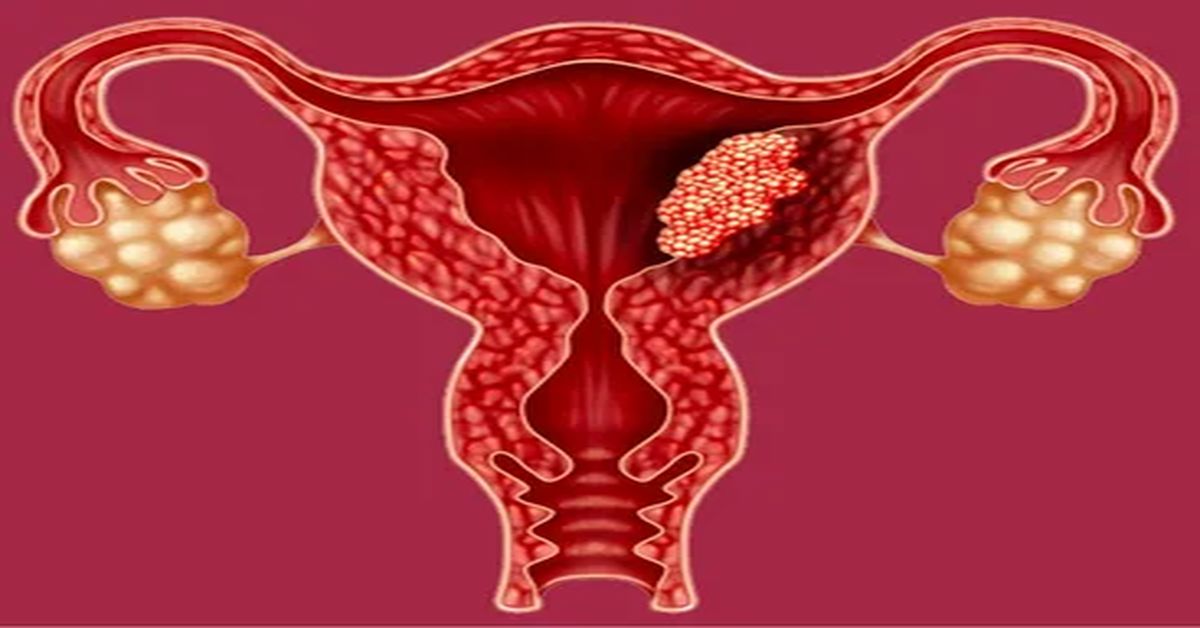
Uterine tumors are a serious problem in women's health. They often do not cause symptoms and women only discover them during routine checkups. Age, genetic factors, and lifestyle can increase the risk. Early diagnosis makes the process easier and more effective.
Uterine tumor treatment, This is one of the most suitable options for patients in the early stages. Surgical interventions and radiotherapy methods are determined according to the course of the disease. The treatment plan is personalized, taking into account the type and size of the tumor and the patient's overall health.
Every woman is different. The extent of tumor spread and the patient's age determine the treatment process. The desire to have children is also an important factor in planning. Psychological support should be available to patients throughout the treatment process. Women should not feel alone during this time.
Both physical and mental healing processes are important. Treatment can sometimes be tiring and challenging. However, with the right support and patience, the chances of success are high. Regular check-ups and healthy lifestyle habits strengthen the process and accelerate healing. At the end of this process, uterine tumor treatment It is applied to protect the patient's health and improve their quality of life.
It is important to remember that every treatment is individual. Medications or surgical methods can have different side effects. Women should listen to their bodies and communicate openly with their doctors. Patience and determination are integral parts of this process. There is hope at every step.
In what situations is uterine tumor treatment applied?
Uterine tumors can seriously affect women's health. Often, they are asymptomatic. Women only discover them during routine checkups. Some, however, seek medical attention due to abdominal pain, irregular bleeding, or fatigue. Early diagnosis makes the treatment process easier and more successful.
The type and size of the tumor determine the treatment method. Some tumors progress rapidly, while others progress slowly. Age, general health status, and plans for having children also influence the choice of treatment. Doctors evaluate each patient individually and create a treatment plan.
For most patients, surgery may be the first option. However, the location and size of the tumor, as well as the patient's condition, sometimes necessitate other methods. At this point... uterine tumor treatment, Treatment is supported by medication or radiotherapy. The goal is to control the tumor and preserve quality of life.
Psychological support is an integral part of the process for women. Treatment can be long and tiring. Patience and determination are cornerstones of recovery. Regular check-ups, healthy eating, and lifestyle changes strengthen the process.
Every woman is different, and every case is unique. Treatment plans should be individualized. Side effects vary depending on the patient's age and overall health. Open communication and a trusting relationship with the doctor increase the chances of success. There is hope at every step, and with the right approach, recovery is possible.
What are the treatment methods for uterine tumors?
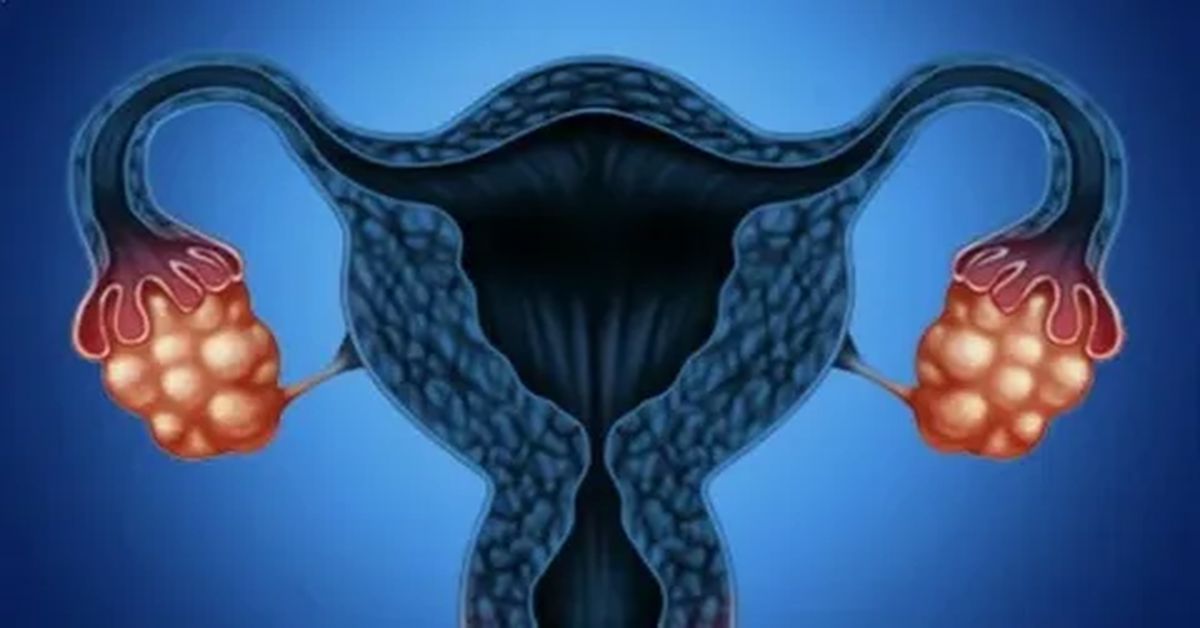
Early diagnosis is crucial for women's health. Tumor size and type determine the treatment method. At this point... uterine tumor treatment, The treatment plan is tailored to the patient's condition. Regular check-ups increase the chances of success and facilitate the process.
Surgery is one of the most common treatment options. Different operations can be performed to remove the tumor. In some cases, only the tumor is removed. In other cases, the uterus may be removed entirely. The recovery process after surgery depends on the patient's age and general condition.
Drug therapy is preferred, especially for hormone-sensitive tumors. Hormone therapy slows tumor growth and can halt its progression. Chemotherapy, on the other hand, is used for rapidly progressing or metastatic tumors. The goal is both to shrink the tumor and to preserve the patient's quality of life.
Radiotherapy is applied taking into account the location and size of the tumor. The tumor is targeted using external or internal radiation methods. Side effects can occur, but modern techniques minimize them. The treatment process is managed by a multidisciplinary team.
Psychological support and lifestyle changes are an integral part of treatment. Healthy eating, regular exercise, and moral support strengthen the process. Women should maintain open communication with their doctors and listen to themselves at every step. Patience, determination, and the right approach are the cornerstones of recovery.
What is the recovery process like after uterine tumor treatment?
The post-treatment recovery process is different for every woman. The body begins to heal, but patience is needed. Fatigue, mild aches, and mood swings are normal. Regular check-ups are necessary, and the doctor's recommendations should be followed.
Nutrition and lifestyle accelerate recovery. Foods rich in protein and vitamins support the body. Water consumption should be increased, and harmful habits such as smoking and alcohol should be avoided. Light walks and simple exercises strengthen both body and mind.
Psychological support is an important part of the process. Post-treatment anxiety and stress are normal. Family and friend support provides morale. Seeking professional help when needed facilitates adaptation. Meditation and breathing exercises strengthen mental balance.
Women should carefully monitor their body's signals. Any pain or change should be shared with a doctor. Regular checkups and tests allow for early detection of potential complications. Social life and hobbies help maintain morale.
The body takes time to recover, but with the right care and support, the chances of a successful recovery increase. Uterine tumor treatment, It supports both physical healing and mental balance. Women should listen to their bodies, communicate openly with their doctors, and be patient every step of the way. Each new day is a small but significant step forward.
]]>Who is a suitable candidate for ovarian cyst surgery?
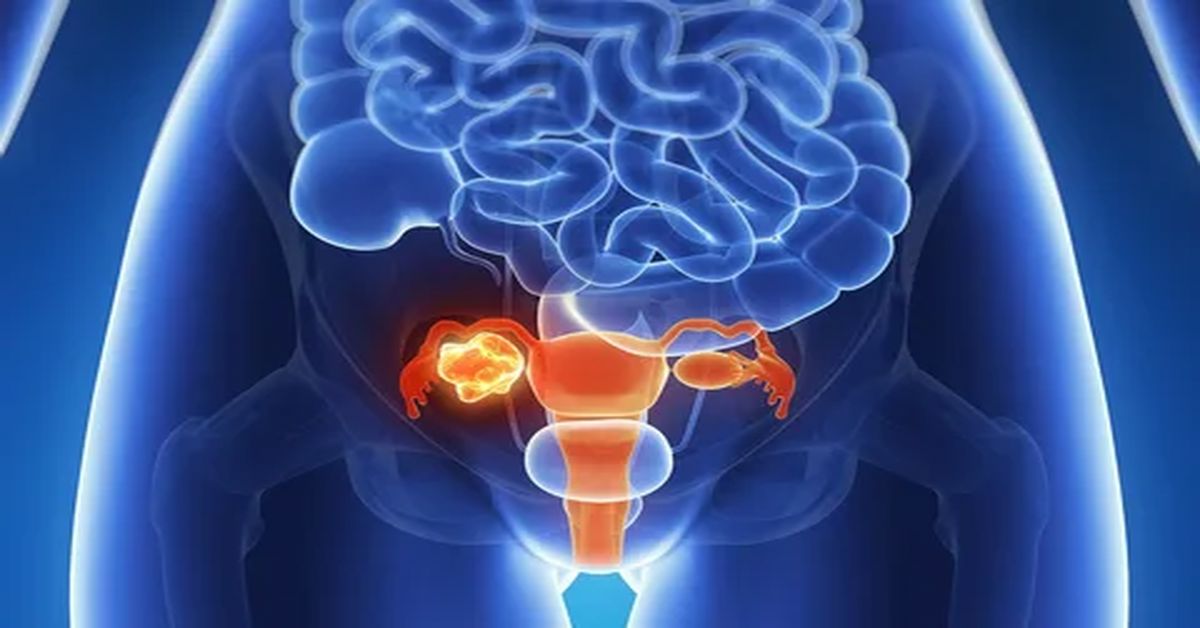
Ovarian cysts are common in women. Most are benign. Some are asymptomatic and disappear on their own. Therefore, surgery is not necessary for every cyst. The patient's age, symptoms, and the characteristics of the cyst are taken into consideration when making a decision. Regular follow-up is important in this process.
In women experiencing severe pelvic pain, which affects their daily lives, or whose cysts are rapidly growing Ovarian cyst surgery This may become an issue. A larger cyst diameter increases the need for surgery. The presence of suspicious findings in its internal structure is also an important factor. Some cysts do not respond to hormonal treatments. In this case, surgery becomes a more appropriate option.
Women experiencing irregular periods may also be at risk. Sudden onset pain can indicate an emergency. This condition is caused by the cyst twisting or rupturing. In such cases, immediate intervention is necessary. In women of reproductive age, preserving ovarian tissue is a priority.
In cysts detected after menopause Ovarian cyst surgery It is frequently evaluated. The risk of malignancy is higher in this age group. Blood tests and imaging results support the decision-making process. Surgery aims to eliminate potential risks. Therefore, the follow-up process is carried out more carefully.
In conclusion, surgery is not suitable for everyone. Each patient is evaluated individually. The structure of the cyst and the patient's general condition are determining factors. Early diagnosis ensures the right decision. Regular gynecological checkups clarify the need for surgery.
In what situations is ovarian cyst surgery used?
Ovarian cysts are often benign. Some do not cause any symptoms. These cysts are monitored with regular checkups. They may shrink or disappear completely over time. Therefore, surgery is not considered for every cyst. The decision-making process requires careful evaluation.
Some cysts cause significant symptoms. Persistent pelvic pain is a common symptom. A feeling of bloating and menstrual irregularities may also accompany the condition. Rapid cyst growth is an important warning sign. Furthermore, irregularities in the cyst's internal structure require monitoring. These findings increase the likelihood of surgery.
at this point Ovarian cyst surgery It is preferred in certain situations. A large cyst may necessitate surgery. Suspicion of malignancy is a significant factor. Sudden, severe pain, rupture of the cyst, or torsion requires immediate intervention. In such cases, surgery is planned without delay.
Cysts detected in the postmenopausal period are evaluated more closely. Risk factors increase in this age group. Blood tests and imaging results are considered together. Surgery is considered in the presence of suspicious findings. The aim is to prevent potentially serious problems.
In conclusion, the decision for surgery is made individually for each patient. The characteristics of the cyst are determining factors. The patient's age and general condition are taken into consideration. Regular gynecological follow-up ensures timely intervention. Early diagnosis prevents unnecessary surgeries.
How is ovarian cyst surgery performed?
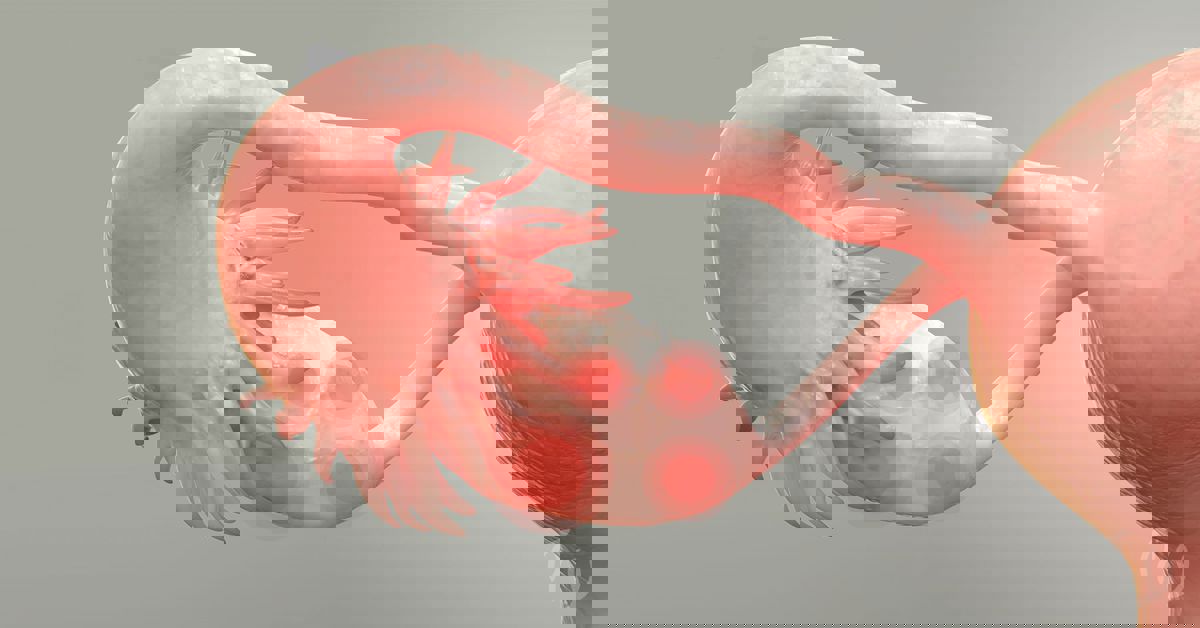
Before ovarian cyst surgery, a detailed evaluation of the patient is performed. The structure of the cyst is examined using ultrasound and necessary blood tests. The patient's age and symptoms are taken into consideration. The surgical method is determined based on this information. Minimally invasive surgery is preferred for most patients. The preparation process is meticulously planned.
Today Ovarian cyst surgery It is mostly performed using the laparoscopic method. In this technique, small incisions are made in the abdominal area. The cyst is visualized with the help of a camera. The cyst is carefully removed, and healthy ovarian tissue is preserved. Closed surgery causes less pain, and the recovery time is shorter.
In some cases, open surgery may be necessary. The size of the cyst affects this decision. Suspicion of malignancy is also an important factor. In open surgery, a larger incision is made in the abdominal area. The surgeon removes the cyst by directly visualizing it. The recovery time is slightly longer with this method.
Surgery is usually performed under general anesthesia. The duration of the procedure varies depending on the characteristics of the cyst. Most patients are discharged the same day or the next day. Mild pain may be experienced in the first few days. Medications prescribed by the doctor should be taken regularly. Return to daily life is usually quick.
In conclusion, surgery is a safe procedure. Choosing the right method is crucial. Regular check-ups should not be neglected. This ensures both a more positive recovery process and better long-term results.
What is the recovery process like after ovarian cyst surgery?
The post-operative recovery process varies depending on the surgical method used and the patient's overall condition. Patients who undergo minimally invasive surgery generally recover more quickly. Rest is recommended during the first few hours. Mild pain and fatigue are considered normal. These symptoms subside quickly. Hospital stays are usually short.
You may feel tenderness in your abdominal area during the first few days. Pain medication prescribed by your doctor should be taken regularly. Avoiding sudden movements is important. Light daily activities can usually be resumed within a few days. However, heavy lifting and intense exercise should be avoided for the first time. The recovery process requires patience.
Diet is important in the post-operative period. Light and easily digestible foods should be preferred. Drinking plenty of fluids is recommended. Constipation should be avoided. A lifestyle that doesn't strain the body should be adopted during this process. A regular sleep schedule also supports recovery.
Follow-up appointments should not be missed. The condition of the stitches and the healing process will be evaluated by the doctor. The pathology results will determine the follow-up plan. Menstrual cycles may change for a while. This is usually temporary. If any suspicious symptoms occur, a doctor should be consulted.
In conclusion Ovarian cyst surgery The post-operative process proceeds smoothly with proper care and regular follow-up. The patient's adherence to recommendations accelerates recovery. Most people return to their daily lives quickly. The goal is both to preserve health and improve quality of life.
]]>Who is a suitable candidate for uterine tumor surgery?
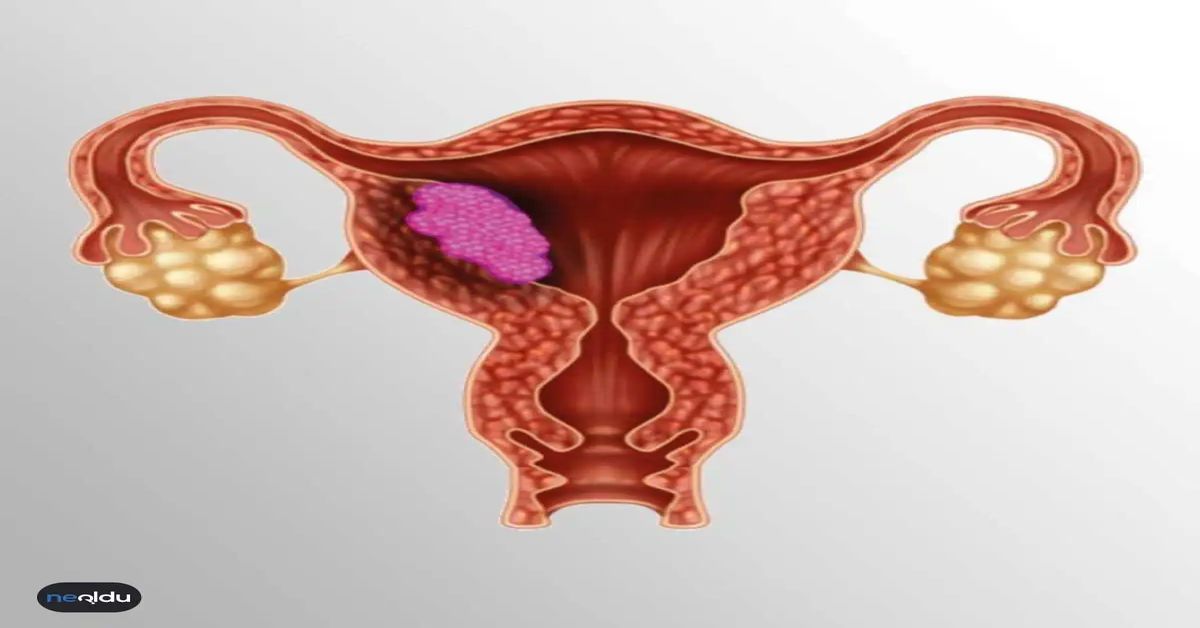
Uterine masses cause different symptoms in each woman. Some progress silently, while others lead to noticeable complaints. Excessive bleeding, menstrual irregularities, and pelvic pain are examples of these symptoms. Such complaints affect daily life and require medical evaluation. Early diagnosis is one of the most important steps in the treatment process.
For women whose symptoms worsen and quality of life decreases uterine tumor surgery Surgery may be a suitable option. Rapid tumor growth, suspicious images on ultrasound, and recurrent bleeding problems increase the need for surgery. In some cases, the tumor can press on tissues, affecting urinary and bowel function. These findings strengthen the decision for surgery. The evaluation is always done by considering the patient's complaints and medical results together.
Risk factors also play an important role in this decision-making process. Women with a family history of tumors, those experiencing hormonal imbalances, or those in menopause are at higher risk. Therefore, regular follow-up is important. In cases of tumors that may be malignant, intervention is necessary without delay. Every woman's situation is different, and the treatment plan is determined individually.
When all these factors are considered together, surgery becomes the most effective method for some women. This is especially true for patients whose quality of life is deteriorating and who show improvement in follow-up results. uterine tumor surgery It offers a reliable solution. Surgery performed at the right time both reduces symptoms and provides a significant advantage in terms of long-term health.
In what situations is uterine tumor surgery used?
Uterine masses develop differently in every woman. Some progress silently, while others cause noticeable symptoms. Excessive bleeding, pelvic pain, and a feeling of pressure are examples of these symptoms. The size and structure of the tumor are important factors in determining treatment. Therefore, regular check-ups should not be neglected.
Worsening symptoms and impaired bleeding patterns strengthen the likelihood of surgery. Suspicious findings on imaging also increase this probability. Some masses can put pressure on surrounding tissues, making daily life difficult. Changes in urinary and bowel function may occur. Such findings require early evaluation. The treatment decision is always shaped by the patient's complaints.
At the end of these evaluations uterine tumor surgery Surgery is applicable. It is preferred for growing masses or those that have the potential to be malignant. The goal of surgery is the complete removal of the tumor. If necessary, affected surrounding tissues are also cleaned. The patient's age and reproductive desires are also included in the decision-making process. Therefore, treatment is always planned individually.
The postoperative recovery process varies depending on the method used. Patients recover more quickly with minimally invasive (laparoscopic) surgery. Recovery time is slightly longer with open surgery. Rest, adherence to recommended exercises, and regular check-ups are important for the patient. These steps accelerate recovery and prevent potential complications. Surgery performed at the right time significantly improves quality of life.
How is uterine tumor surgery performed?
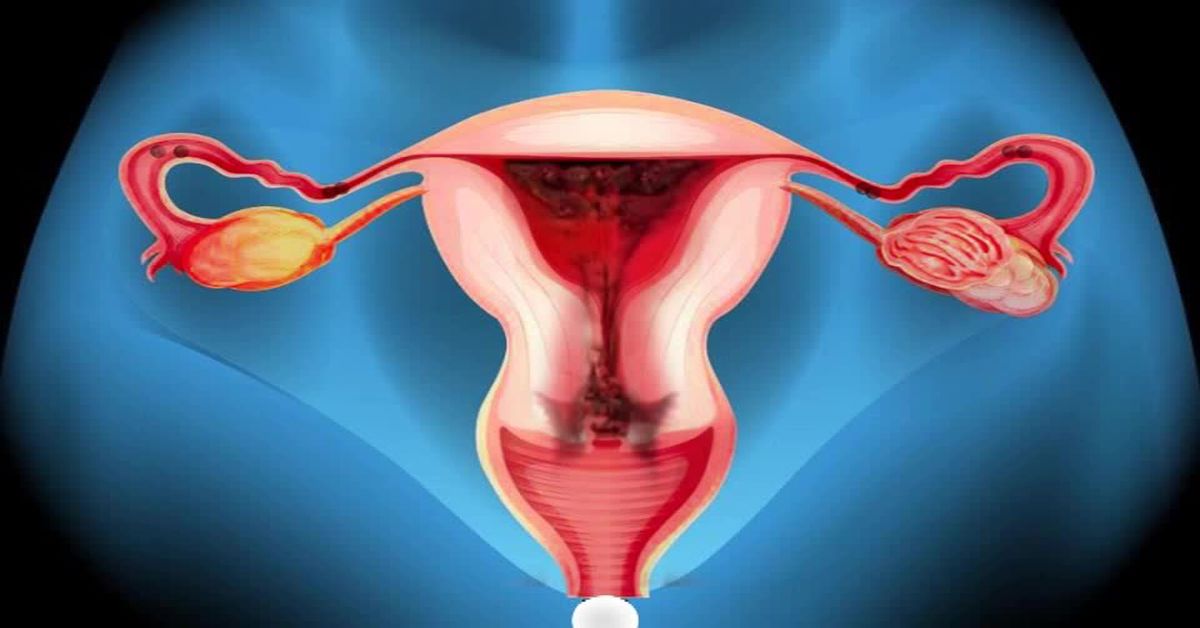
Surgical methods play a significant role in the treatment of intrauterine masses. The size, type, and location of the tumor determine the decision for surgery. The goal is to safely remove the tumor and improve the patient's quality of life. This process is planned taking into account the patient's overall health status, thus creating a personalized and effective approach.
One of the surgical methods applied uterine tumor surgery, This is often done using a closed technique. In this method, small incisions are used and the operation is performed with the help of a camera. Closed surgery shortens the recovery time and speeds up the patient's return to daily life. In some cases, open surgery may be necessary. This choice is related to the size and spread of the tumor. The goal during surgery is the complete removal of the tumor and affected tissues.
The type of surgery performed depends on the structure of the tumor. For small, benign tumors, removing only the mass may be sufficient. For larger or malignant tumors, removal of the entire uterus may be necessary. The decision is made based on the patient's age, reproductive desires, and medical findings. In some cases, additional procedures may be performed to examine the lymph nodes. All steps are planned with safety and success in mind.
The postoperative period is just as important as the surgery itself. Patients can be mobilized within a few hours. Nutrition and exercise are gradually increased. Recovery is faster with minimally invasive surgeries and slightly longer with open surgeries. Regular check-ups are necessary to monitor the success of the treatment. When the entire process is managed correctly, patients lead a more comfortable life and feel the positive effects of the treatment quickly.
What is the recovery process like after uterine tumor surgery?
The recovery process after uterine tumor surgery can vary from patient to patient. Mild pain, fatigue, and limited mobility may be experienced in the first few days. These symptoms will decrease over time. Rest and regular use of prescribed medications will speed up recovery. In addition, fluid intake and light walks will help the body recover.
Recovery time can vary depending on the surgical method. Patients who undergo laparoscopic surgery generally recover faster. Recovery takes a little longer after open surgery. In both methods, keeping the surgical area clean is important. The patient should avoid strenuous activities. Follow-up appointments scheduled by the doctor should also not be missed, as these check-ups show whether the process is progressing correctly.
Some patients may experience hormonal changes after surgery. This is especially noticeable in operations where the uterus is completely removed. Temporary hot flashes, mood swings, or sleep disturbances may occur. These symptoms are normal and will decrease over time. Paying attention to diet and drinking plenty of water supports recovery. If necessary, the doctor may recommend additional treatments.
Once this entire process is complete, patients can return to their daily lives more easily. Pain decreases, mobility increases, and overall health improves significantly. This recovery period is a topic frequently asked about by patients who have started treatment. uterine tumor surgery This is part of the answer to the question. With proper follow-up and regular check-ups, this process progresses more safely and quickly. In the long term, surgery offers an effective solution that improves the patient's quality of life.
]]>What is a Uterine Tumor? Symptoms and Causes
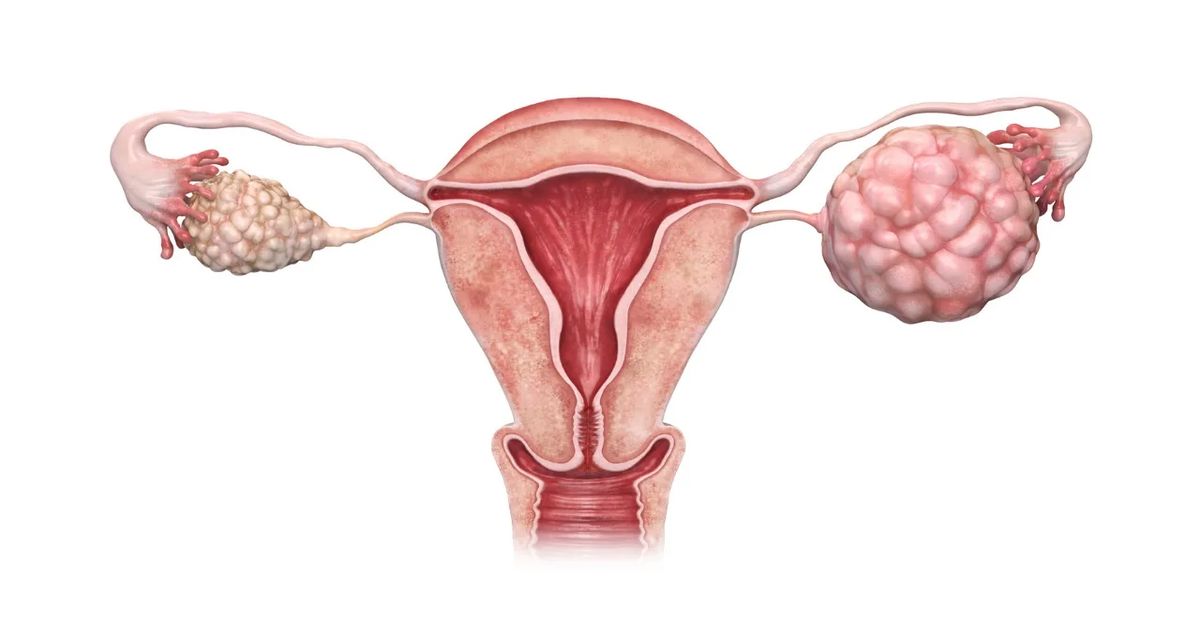
Tumors developing inside the uterus are a significant problem affecting women's health. These tumors can be benign or malignant. The most common benign tumors are called fibroids. Malignant tumors require a more rigorous monitoring and treatment process. Therefore, early diagnosis is vital. Regular gynecological checkups allow for the early detection of possible changes.
Symptoms vary from person to person. Excessive menstrual bleeding, pelvic pain, and bloating are common complaints. However, some women may experience no symptoms at all. The condition is usually detected during routine checkups. Therefore, any possible findings should be taken seriously. Especially... uterine tumor When it develops, significant changes in bleeding patterns may occur. Symptoms such as pain, pressure sensation, and frequent urination may also accompany the condition. These symptoms can affect daily life and require early evaluation.
Although the exact causes are unknown, hormonal influences play a significant role. Changes in estrogen and progesterone balance can affect tumor formation. Genetic predisposition is also among the risk factors; a family history of similar problems can increase the risk. In addition, certain environmental factors, aging, and obesity may also be influential. Every woman's risk level is different, and therefore regular check-ups are recommended.
The appropriate treatment is determined by the type and size of the tumor and the patient's overall condition. Some tumors only require observation, while others may require medication or surgery. Regular monitoring of the treatment process is important. Early diagnosis and the right approach significantly improve the patient's quality of life. This entire process..., uterine tumor It provides both guidance and protection for women who encounter this situation.
Who gets uterine tumors?
The uterine tissue is central to the female reproductive system and is highly sensitive to hormonal changes. Therefore, various growths and structural changes can occur at different stages of life. Some are harmless, while others may require monitoring and treatment. A person's age, health status, and hormonal balance are key factors in this process. Regular gynecological checkups are therefore of great importance.
Certain age groups and health conditions make people more susceptible to these types of formations. In particular, women of reproductive age, when hormone levels are more active, may experience these growths more frequently. Individuals with a family history of similar problems also have an increased risk. Genetic predisposition is a significant factor influencing the likelihood of tumor development.
One of the conditions that can arise in high-risk groups is... uterine tumor This is the formation of a skin condition. Hormonal fluctuations, obesity, and irregular menstrual cycles can increase this risk. Changes in the rate of cell renewal with age can also be a factor. In addition, some environmental factors and lifestyle habits play a role in the risk. Therefore, it is very important for every woman to know her own risk level and to notice the symptoms early. Consulting a doctor at any noticed change provides a protective step.
Accurate diagnosis is the first step towards effective treatment. The tumor's structure is evaluated through gynecological examination, ultrasound, and, if necessary, biopsy. Early diagnosis allows for a wider range of treatment options and greater success. The treatment process is planned according to the type and size of the tumor and the patient's needs. The approach may differ for each woman. Regular check-ups and informed follow-up are crucial for a healthy reproductive system.
What are the Treatment Methods for Uterine Tumors?
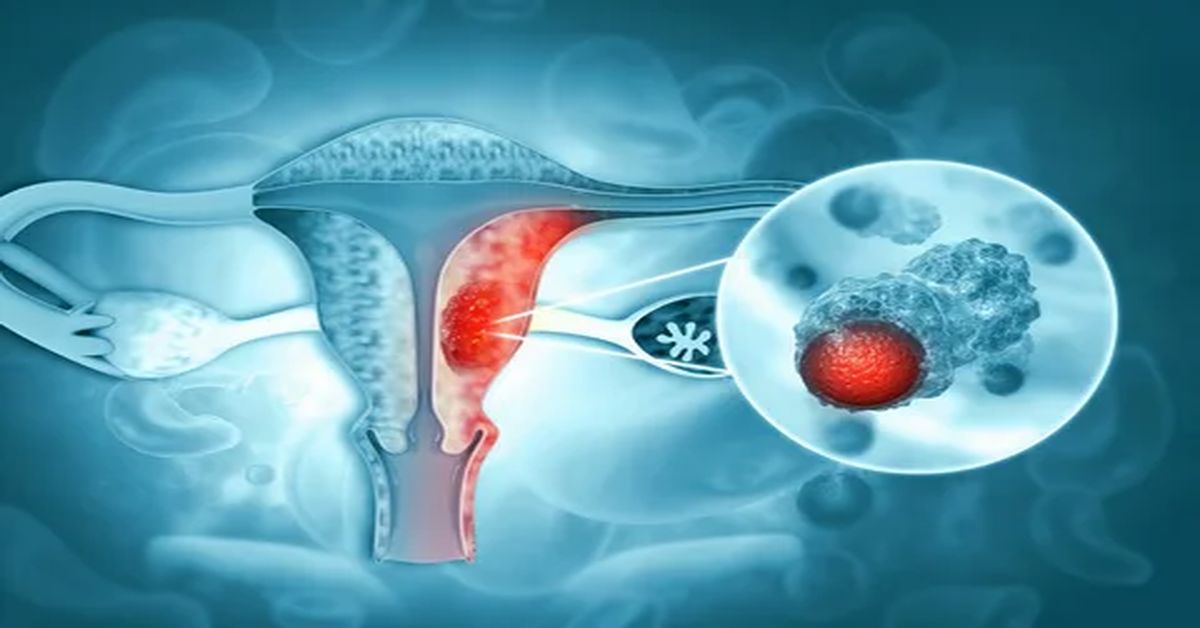
Treatment for intrauterine masses is planned according to the nature of the tumor and the patient's overall condition. A detailed examination and imaging are performed before deciding on the appropriate treatment method. Ultrasound, MRI, or biopsy (if necessary) are used to determine the type of tumor. This assessment forms the basis of the treatment process. The goal is to offer the patient the most effective and safest approach.
Treatment options vary depending on whether the tumor is benign or malignant. For some benign lesions, observation alone may suffice. However, if there are significant symptoms or growth, surgical methods become necessary. In malignant cases, a more comprehensive approach is required. During this process... uterine tumor Accurately determining the tumor's structure is critical for selecting the appropriate treatment. Tumor size, extent of spread, and the patient's overall health profile play a significant role in the treatment decision.
Surgery is an effective option in many cases. For benign tumors such as fibroids, minimally invasive surgery may be preferred. This method shortens the recovery time and accelerates the patient's return to daily life. Malignant tumors, however, may require a larger surgical area. In some patients, chemotherapy or radiotherapy is also applied in conjunction with surgery. These additional treatments aim to control the cells.
Regular follow-up after the treatment process is crucial. Doctor check-ups allow for the early detection of any potential changes. Paying attention to lifestyle and following the given recommendations also supports the recovery process. Since every woman's situation is different, the treatment plan is tailored to her individual needs. This approach helps the patient achieve the best possible outcome in terms of long-term health and quality of life.
What is the recovery process like after uterine tumor treatment?
The recovery process after tumor treatment can vary from patient to patient. The goal of this process is to support the body's recovery and minimize potential risks. In the first few days after treatment, fatigue, mild pain, or hormonal imbalances may occur. This is normal and will decrease over time. Adhering to the recommended rest period will accelerate recovery.
In patients undergoing surgical treatment, wound healing is carefully monitored. Treatment begins with light walking, and daily activities are gradually increased in a controlled manner. Some patients may experience loss of physical strength. Therefore, the limitations recommended by the doctor are important. Avoiding movements that strain the surgical area protects the healing process. In patients receiving medication, regular use enhances the effectiveness of the treatment.
If chemotherapy or radiotherapy has been applied to malignant tumors, the recovery process may be longer. The immune system may weaken during this period. Therefore, nutrition, sleep patterns, and hygiene are of great importance. Regular check-ups are crucial to monitor treatment success and detect any potential recurrence early. The patient's mental state is also an important part of the process. Psychological support can be provided if needed.
Once all these stages are complete, the patient's health continues to be closely monitored. Lifestyle changes, regular checkups, and doctor's recommendations support long-term recovery. This process, which initially came to mind at the beginning of the period, is a testament to this. What is a uterine tumor? It encompasses much more than just the question itself.
]]>Who is a suitable candidate for ovarian tumor surgery?
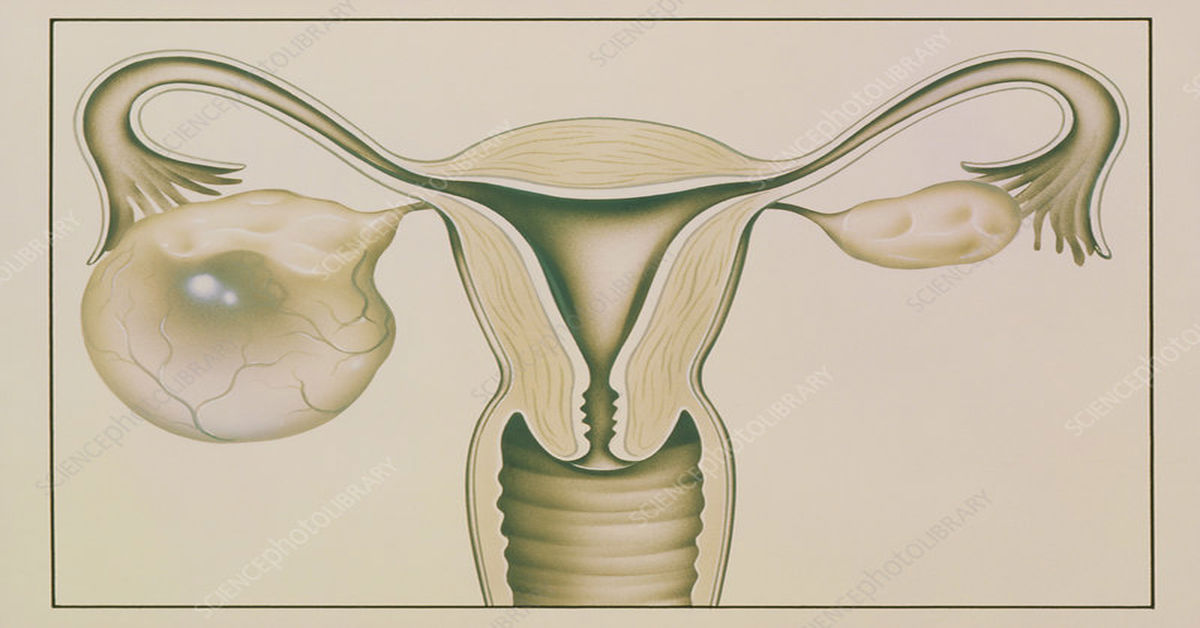
Ovarian tumors can be benign or malignant and often develop without symptoms. Evaluation is necessary when symptoms such as abdominal swelling, irregular periods, pelvic pain, or weight changes appear. The structure, size, and spread of the tumor are decisive factors in the decision for surgery. Therefore, early diagnosis is one of the most important steps in the treatment process.
The treatment plan is shaped according to the type of disease and the patient's health condition. Minimally invasive surgery may be preferred for benign masses. More comprehensive approaches are required for tumors that are advanced or potentially malignant. The methods that may be applied in this process include... ovarian tumor surgery This plays a crucial role. The patient's age, desire to have children, the extent of tumor spread, and overall health status determine their suitability for surgery. The goal is both to remove the tumor and to preserve the patient's quality of life.
In cases of advanced or suspicious tumors, the decision to operate is made more carefully. If the tumor has spread to surrounding tissues, the scope of surgery may expand. In some cases, part of the ovary may be removed, sometimes the entire ovary. This decision is evaluated in conjunction with pathology findings and imaging results. A team of expert physicians determines the most appropriate option for the patient's safety and the success of the treatment.
Regular follow-up and proper care are crucial in the post-operative period. The patient's recovery rate varies depending on the surgical method used and their overall health condition. Regular check-ups are necessary to detect potential risks early. Successful results can be achieved with a well-planned long-term treatment program. Among the methods used are: ovarian tumor surgery This makes a significant contribution to the process. As a result, patients can return to their daily lives more safely and comfortably.
In what situations is ovarian tumor surgery used?
Ovarian tumors can sometimes grow without causing any noticeable symptoms. Therefore, many patients learn of the diagnosis during routine checkups. Abdominal pain, swelling, menstrual irregularities, and unexpected weight changes are important warning signs. If these symptoms occur, evaluation should be sought without delay. The size and structure of the tumor are decisive in the decision for surgery. Early diagnosis increases the success of the treatment process.
Surgery is generally preferred when the tumor continues to grow or appears suspicious. Even benign cysts may require surgery if they are large. In cases with a high probability of being malignant, the decision for surgery is made more carefully. The patient's age, desire for fertility, and general health status are evaluated. These factors determine the direction of the treatment process. Methods used at this stage include: ovarian tumor surgery Surgery plays a crucial role because it is a fundamental step in both confirming the diagnosis and reducing the tumor burden.
In moderate to advanced stage tumors, the scope of surgery may expand. If the tumor has spread, part or all of the ovary may be removed. Surrounding tissues are also evaluated as needed. The surgeon carefully examines the extent of the tumor's spread. The decision is always made with the patient's safety in mind. Imaging results and pathological findings shape the surgical plan. This planning is a critical step for the effective progress of treatment. Each step is tailored to the individual.
The post-operative process varies depending on the type of procedure performed. Rest is important for the patient in the first few days. Avoiding heavy lifting, protecting the suture area, and not missing regular check-ups accelerate healing. Additional treatments may be necessary depending on the pathology results. Physical and emotional support are also important during this period. Regular follow-up increases the long-term success of the treatment. Thanks to this careful process, most patients can return to their daily lives more safely and comfortably.
How is ovarian tumor surgery performed?
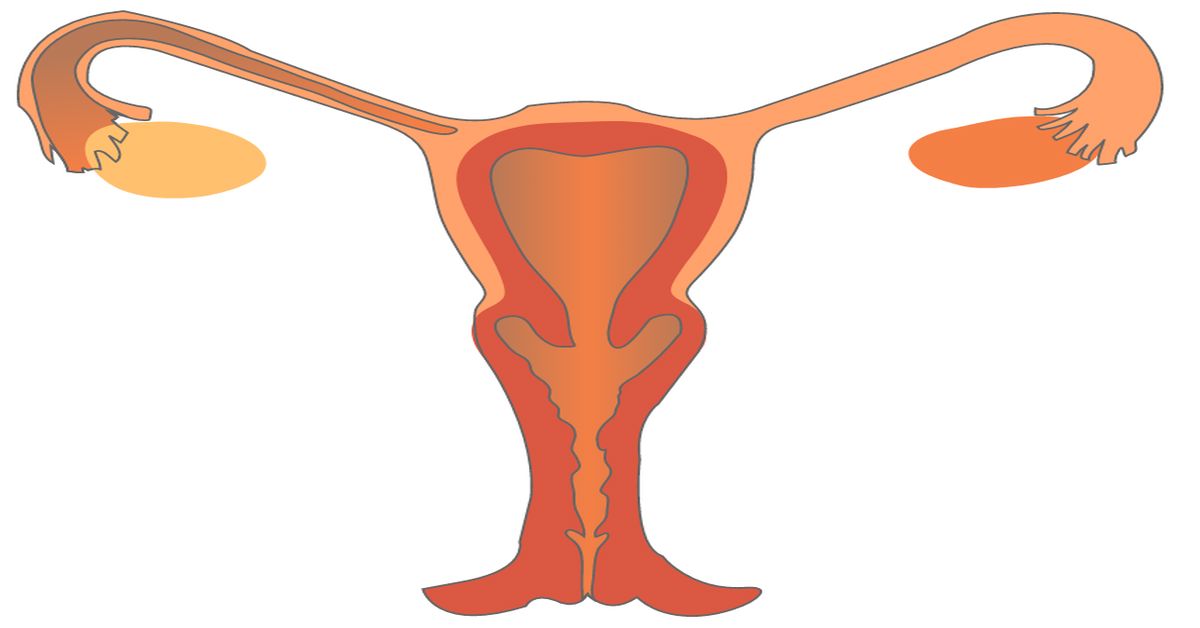
Surgery is a surgical procedure planned according to the type and size of the tumor and the patient's overall health. Preoperative imaging tests provide detailed information about the mass. Based on this information, the surgeon determines the most appropriate approach. The patient's medical history, desire for fertility, and surgical risks are evaluated. This preparation process is crucial for a safe operation.
The surgical method is chosen according to the structure of the tumor. For small and benign masses, a minimally invasive (laparoscopic) method is preferred. This technique involves small incisions and has a shorter recovery time. For larger or suspicious masses, open surgery may be performed. The methods used in this process include... ovarian tumor surgery It plays a crucial role. The surgeon removes the mass with safe margins and, if necessary, removes part or all of the ovary. All decisions are made carefully to protect the patient's safety and health.
Pathological examination is one of the most important parts of the surgery. The removed tissue is sent to the laboratory. This examination determines whether the tumor is benign or malignant. The results play a major role in determining the treatment plan to be applied after the surgery. While surgery alone is sufficient for some patients, additional treatments may be necessary in others. This process is evaluated on an individual basis.
The recovery time after surgery depends on the type of surgery performed. Patients who undergo closed surgery generally recover faster. The recovery process after open surgery may take a little longer. It is important to avoid heavy lifting, sudden movements, and protecting the wound area in the first few weeks. Regular check-ups are essential for healthy healing. Following the doctor's recommendations increases long-term success and allows the patient to return to daily life more confidently.
What is the recovery process like after ovarian tumor surgery?
The post-operative recovery process varies depending on the type of surgery performed. Patients who undergo minimally invasive surgery generally recover faster. Recovery after open surgery may take a little longer. Fatigue, mild pain, and tension are common in the first few days. This is a period when the body needs rest.
Controlled movement is important in the first few weeks. Gentle walks improve circulation and support healing. Lifting heavy objects or applying pressure to the abdominal area is not recommended. Diet is also effective during this process. A balanced diet strengthens the immune system. Sufficient water intake and regular sleep increase the speed of recovery.
Keeping incisions clean reduces the risk of infection. You should consult a doctor if you experience redness, discharge, or increased pain. The decision on whether to continue treatment will be made after the pathology results are received. Some patients may require additional treatments. This decision is always made by a team of experts. A personalized follow-up plan is prepared for the patient, and the process is monitored with regular check-ups.
Following the recommendations is important for long-term recovery. Regular check-ups are essential. Maintaining healthy lifestyle habits helps strengthen the body. When this approach is applied correctly, the treatment effect is more lasting. Ovarian tumor surgery Afterwards, the patient returns to their daily life more safely.
]]>Who is a suitable candidate for vaginal cancer treatment?

Vaginal cancer is easier to manage when diagnosed early. The stage of the tumor, cell type, and the patient's overall condition are thoroughly evaluated to determine suitability for treatment. Because the disease sometimes progresses slowly, regular women's health checkups are important. The initial assessment after diagnosis determines the direction of the treatment process.
Patients diagnosed in the early stages generally respond better to treatment. At this stage, the tumor is confined, and intervention is more controlled. Methods such as surgery, radiotherapy, or chemotherapy are chosen on a case-by-case basis. Suitable candidates are identified during evaluations at this stage. Vaginal cancer treatment This is planned for these candidates. The patient's age, comorbidities, and the location of the tumor play an important role in the selection process. The goal is to halt the disease while preserving quality of life.
In patients with advanced disease, the process can be more complex. If the tumor has spread to surrounding tissues, treatment options expand. Radiotherapy and chemotherapy are more frequently preferred in these patients. In some cases, treatment is aimed at reducing symptoms. Decision-making by expert teams is of great importance in this process.
In patients requiring long-term follow-up, evaluations are performed regularly. Response to treatment, lifestyle habits, and overall health are reviewed at each check-up. The plan is adjusted as needed. Thanks to this approach... vaginal cancer treatment It becomes more effective and safer. With support throughout the process, the patient can return to their daily life stronger.
In what situations is vaginal cancer treatment used?
Vaginal cancer is a rare type of cancer that develops when cells in the vaginal tissue multiply uncontrollably. The disease may not show noticeable symptoms in its early stages. Therefore, diagnosis is often made during routine gynecological examinations. Treatment is determined according to the stage of the tumor and the patient's overall health. Early diagnosis is the most important step in this process.
In early-stage cases, the tumor is usually confined to the vaginal wall. This allows for a wider range of treatment options. Surgery, radiotherapy, or a combination of both may be considered. In mid-stage patients, the tumor may have progressed to deeper tissues. In this case, the scope of treatment expands, and multiple methods may be planned together. Among the methods applied are: vaginal cancer treatment It plays a crucial role. Intervention started at the right time can slow the progression of the disease and preserve quality of life.
Treatment decisions are made more carefully in advanced-stage disease. The spread of the tumor to surrounding tissues makes treatment options more complex. Radiotherapy is a frequently used method at this stage. Chemotherapy may be used to shrink the tumor or reduce symptoms.
The post-treatment process requires regular follow-up. Patients are checked at specific intervals. These check-ups are important for early detection of any potential recurrence. Healthy lifestyle habits contribute to a more comfortable post-treatment period. Adherence to expert recommendations is one of the key elements that strengthens recovery. Thus, patients can experience a safer recovery process.
What are the treatment methods for vaginal cancer?

Vaginal cancer is a rare type of cancer that begins in the vaginal tissue. Treatment methods vary depending on the stage of the tumor and the patient's overall health. Early diagnosis is one of the most important steps in the treatment process. Therefore, regular gynecological checkups are of great importance.
Surgery is often the first option. In the early stages, surgery is more effective because the tumor is confined. The tumor tissue is removed with safe margins. In advanced stages, however, the spread of the tumor may require more extensive surgery. In some cases, surgery alone is not sufficient. Therefore, additional treatment methods are planned. This multifaceted approach increases the effectiveness of the treatment. Among the options used are: vaginal cancer treatment It plays a significant role. In this way, the progression of the disease can be slowed and the quality of life can be preserved.
Radiotherapy aims to destroy cancer cells using radiation. It is preferred when surgery is not suitable. It can be effective in patients where the tumor has spread deep. Internal brachytherapy and external radiotherapy can be planned together. The treatment process is tailored to the individual patient. The dose and number of sessions are determined according to the tumor's structure.
Chemotherapy is considered when cancer has spread or is progressing rapidly. The drugs used prevent the growth of cancer cells. In some patients, chemotherapy and radiotherapy are applied together. Nutrition, resilience, and psychological support are important in the post-treatment period. Regular follow-up ensures a healthier recovery process. When these stages are managed correctly, the patient adheres better to the treatment.
What is the recovery process like after vaginal cancer treatment?
The recovery process after vaginal cancer treatment varies depending on the patient's overall health and the treatment method used. The goal in the initial phase of treatment is to promote healing and control side effects. Wound healing is monitored after surgery. Fatigue, sensitivity, and skin reactions after radiotherapy or chemotherapy require close monitoring. This period is one where the patient needs more rest and self-care.
Lifestyle adjustments are as important as physical recovery. It is recommended that patients gradually increase their daily activities. Walking and light exercise support recovery. Healthy eating, adequate water intake, and regular sleep strengthen the immune system. Mental support can also become important during this period. Many patients benefit from counseling support due to the emotional burden they experience during the treatment process. Increased psychological resilience contributes positively to the recovery process.
Regular check-ups are crucial in the post-treatment period. These check-ups are necessary to monitor the course of the disease and detect any potential recurrence early. Vaginal examination, imaging methods, and blood tests are part of the follow-up process. The doctor evaluates the patient's complaints and updates the post-treatment care plan as needed. The patient's lifestyle habits also play a role in ensuring lasting recovery during this period.
For long-term recovery, it is important to follow the recommendations regularly. The patient should not miss their follow-up appointments. Maintaining healthy lifestyle habits helps strengthen the body. A properly managed follow-up process helps keep the disease under control. Among the methods applied are: vaginal cancer treatment It maintains its effect. It helps the patient return to their daily life more safely.
]]>Who experiences vaginal discharge?

Vaginal discharge is a natural part of the female reproductive system and can occur at any age. The characteristics of vaginal discharge change during childhood, adolescence, adulthood, and menopause. This change is directly related to hormones, lifestyle, and the body's defense mechanisms. Normal vaginal discharge is an important indicator that the body is protecting itself.
In young girls entering puberty vaginal discharge It is common. This period is a time when hormones become active and the body adapts to a new routine. The discharge is usually white or clear and odorless. This is normal. It may increase intermittently and vary depending on the timing of the menstrual cycle. Stress, dietary changes, and even daily activity can affect the amount of discharge.
In adult women, vaginal discharge varies throughout the menstrual cycle. It may be heavier and more slippery during ovulation, a natural consequence of the body's reproductive functions. Discharge can also increase during pregnancy due to hormonal changes. However, any foul odor, itching, burning, or pain should raise suspicion of infection. These symptoms require a specialist's examination.
In women approaching menopause, however... vaginal discharge It may decrease. This is due to a drop in the estrogen hormone. Some women may experience dryness and a burning sensation. The consistency and amount of discharge change during this period. However, any signs of infection should not be ignored. It is important to monitor the nature of discharge in all age groups. This monitoring allows for early detection of a potential health problem.
In conclusion, vaginal discharge can occur at any stage of a woman's life. Knowing the normal limits and monitoring changes is important for maintaining health. With regular checkups, accurate information, and early assessment, the process can be managed safely.
What are the causes of vaginal discharge?
Vaginal discharge is a natural defense mechanism of the female body. It helps keep the vagina clean, maintains moisture balance, and prevents infections. The color, odor, and amount of discharge vary from person to person. This variation is often due to hormonal processes and is considered normal.
Changes in hormone levels are the primary cause of vaginal discharge. Puberty, ovulation, pregnancy, and menopause are the periods when these changes are most intense. Additionally, birth control methods, stress, lack of sleep, and diet can also affect the consistency of the discharge. Most of these conditions are natural and temporary. An increase in the thickness or consistency of the discharge is not always a sign of illness.
In some cases vaginal discharge These symptoms occur as a result of infections. Fungal infections can cause a white, thick, and itchy discharge. Bacterial infections result in a gray or yellow, foul-smelling discharge. Sexually transmitted diseases may have additional symptoms such as burning, pain, and discoloration. These symptoms should be taken seriously, and a specialist should be consulted. Untreated infections can progress and lead to more serious problems.
Hygiene habits are also important factors affecting vaginal discharge. Frequent underwear changes, choosing appropriate fabrics, and using chemical-free cleaning products positively influence the composition of the discharge. Excessive cleaning and soap use can lead to irritation. Vaginal douching also disrupts the vagina's natural balance, causing similar problems. Therefore, proper hygiene practices are important.
In conclusion, the cause of vaginal discharge is not always the same and can vary depending on many factors. Seeking professional advice is the best approach when there is a noticeable difference in color, odor, and consistency. Early assessment facilitates treatment and reduces potential risks.
Vaginal Discharge Treatment Methods

It is an important part of women's reproductive health. vaginal discharge. Therefore, the nature of the discharge plays a major role in determining treatment methods. The color, odor, and amount of discharge can vary depending on hormonal balances, lifestyle, and possible infections. Accurate assessment at this stage forms the basis of treatment. By examining the discharge's structure, the appropriate approach is determined, thus making the treatment process personalized for each individual.
The first step in treatment is determining the cause of the discharge. If a fungal infection is suspected, antifungal medications are used. These medications usually take effect quickly. For bacterial infections, antibiotic treatment is preferred. Culture tests can be performed to determine the correct medication. These tests clearly reveal the type of infection and make treatment more effective.
Different methods are used for vaginal discharge related to hormonal changes. Decreased discharge and dryness are particularly common in women during menopause. In these cases, topical estrogen therapy provides relief. During adolescence, vaginal discharge is mostly a result of natural changes and does not require treatment. However, in cases that persist or cause discomfort, expert consultation is important.
Hygiene habits are an integral part of the treatment process. Soaps containing chemicals, perfumed products, and vaginal douches can increase discharge. Therefore, natural products should be preferred, and cleansing should be done in a balanced way. Using cotton underwear and changing it regularly also supports healing. Regular check-ups after treatment are important to prevent the discharge from recurring.
In conclusion, treatment progresses rapidly when the cause of the discharge is correctly identified. With appropriate medications, lifestyle adjustments, and proper hygiene habits, the discharge can be controlled. Women's awareness of their own bodies and monitoring changes increases treatment success. Seeking professional help when needed is the best approach.
Vaginal Discharge Treatment and Post-Treatment Process
After the treatment for vaginal discharge is completed, the process is carefully managed. This period is important both for continued healing and for reducing the risk of recurrence. When treatment ends, the body's balance is restored. However, it is normal for some sensitivities to persist during this period. Patients are generally advised to attend regular check-up appointments for a few weeks. These check-ups are important to understand whether healing is progressing healthily.
Maintaining good hygiene habits is crucial during the post-treatment period. Avoiding products containing chemicals supports healing. Wearing cotton underwear and avoiding excessive cleaning also has the same effect. Practices that disrupt the natural balance of the vaginal area can create problems and worsen post-treatment symptoms. Therefore, it is important to adhere to the cleaning routine recommended by your doctor. Additionally, dietary habits and water intake contribute to the rebalancing process.
Some patients may experience mild discharge after treatment. This is usually part of the body's healing process. However, if a foul odor, burning, itching, or discoloration is noticed, re-evaluation is necessary. These symptoms may indicate a possible infection. Early intervention with a doctor's check-up ensures a safe course of treatment. Regular follow-up reduces the risk of recurrence and preserves the patient's quality of life.
In the final stage, once the treatment process is complete, patients begin to understand their own bodies better. Monitoring changes in the vaginal area allows for early detection of potential risks. The knowledge and habits acquired during this process create a healthier routine in the future. All these stages contribute to daily life. What is vaginal discharge? This more clearly demonstrates the importance of the answer to this question. As women's body awareness increases, the post-treatment process is completed more safely and consciously.
]]>Who is a suitable candidate for ovarian tumor treatment?
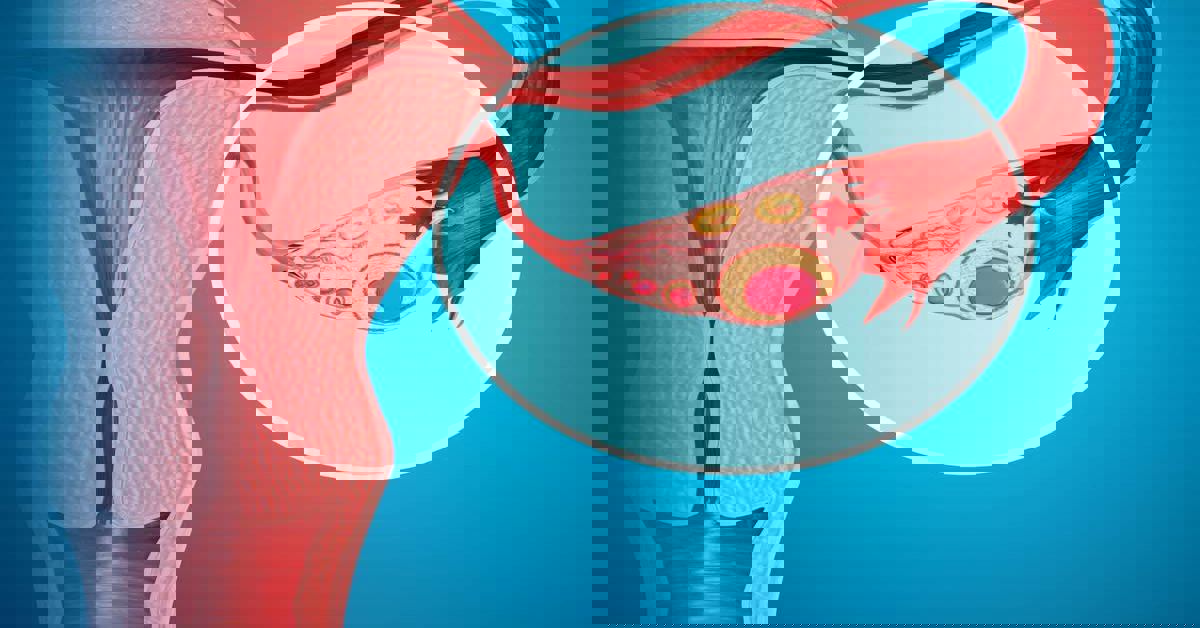
Ovarian tumors are a significant health problem that can occur in all age groups. Sometimes these tumors cause symptoms, while other times they progress silently for a long time. If you experience symptoms such as abdominal pain, swelling, loss of appetite, or irregular periods, you should consult a specialist. Early diagnosis both facilitates the treatment process and increases the success rate.
For patients with moderate to advanced stage symptoms ovarian tumor treatment This would be an appropriate approach. Fluid accumulation in the abdomen, growing masses, and significant changes in blood tests indicate the need for treatment. At this stage, imaging methods and a detailed examination are performed. Based on the evaluation, a treatment plan is created according to the patient's general condition, age, and the extent of tumor spread.
The decision regarding treatment depends on the patient's resilience as well as the nature of the tumor. In young women, surgical options that preserve the reproductive organs may be considered. In postmenopausal patients, however, more extensive surgical techniques are preferred due to the higher risk of metastasis. While some patients tolerate surgery comfortably, others may require additional supportive treatments. Therefore, the process is planned individually for each patient.
In patients with advanced tumor spread or tumor recurrence ovarian tumor treatment This requires a more comprehensive approach. In these patients, chemotherapy or hormone therapy may be applied in addition to surgery. The treatment plan aims to preserve the patient's quality of life and control the disease. Regular follow-up increases the effectiveness of the treatment and allows for early detection of possible changes. Thus, the process progresses more safely and successfully.
In what situations is ovarian tumor treatment used?
Ovarian tumors are a significant health problem that women can encounter at different ages. These tumors sometimes progress slowly, while other times they grow rapidly and cause symptoms. Common symptoms include abdominal pain, bloating, loss of appetite, irregular periods, and fatigue. Therefore, it is important to consult a specialist when symptoms appear. Early diagnosis directly impacts treatment success.
The tumor's structure, size, and extent of spread are key factors in determining treatment. Surgical options are often sufficient for benign tumors. However, malignant tumors require a more comprehensive approach. The patient's age, overall health, and the tissues affected by the tumor shape the treatment plan.
In patients with moderate or advanced stage findings ovarian tumor treatment Treatment is applied. The need for treatment increases when there are rapidly growing masses, fluid accumulation in the abdomen, and changes in blood tests. At this stage, imaging techniques, biopsy, and blood values are evaluated together. Treatment aims to stop the progression of the tumor and preserve the patient's quality of life.
In addition, in some patients, the tumor may recur or spread to other tissues. In these cases, treatment becomes more comprehensive. Chemotherapy or hormone therapy may be applied in addition to surgical intervention. The choice of treatment depends on the patient's immune system and the tumor's response. Follow-up appointments under the supervision of a doctor are crucial for the success of the treatment process. Regular check-ups allow for the early detection of possible changes and ensure a safer treatment outcome.
Each ovarian tumor has different characteristics. Therefore, a treatment plan tailored to each patient is necessary. With the right approach and regular follow-up, long-term results are more successful.
What are the treatment methods for ovarian tumors?
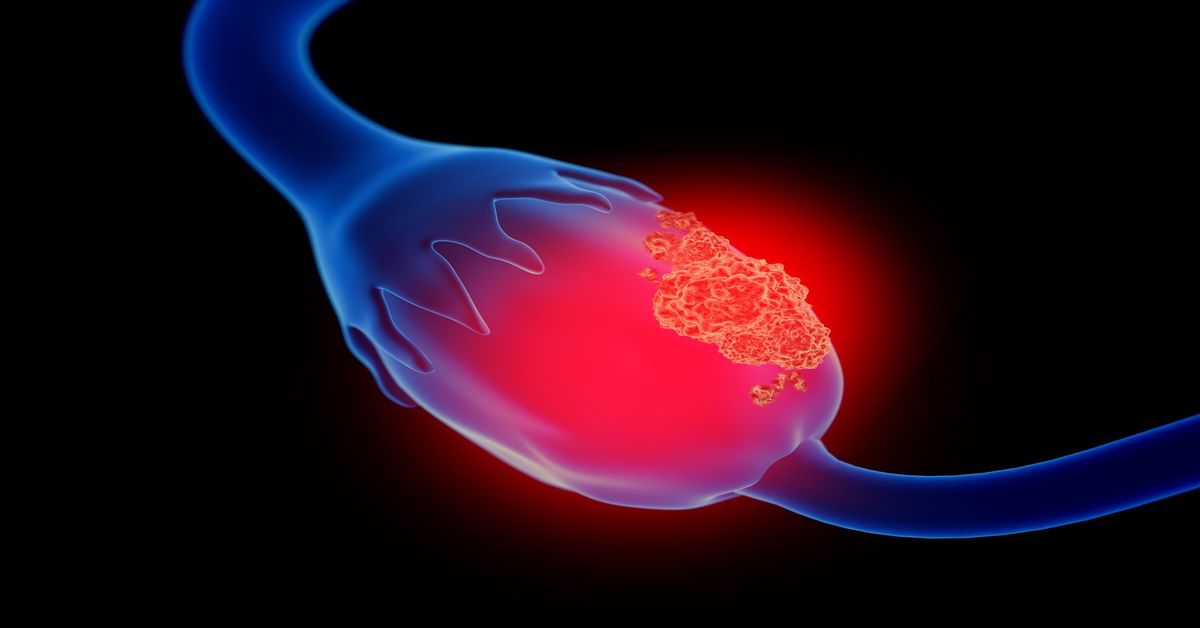
The diagnosis and treatment process for tumors in women requires careful planning. This planning involves evaluating the tumor's structure, extent of spread, and the patient's overall condition. The procedures applied during these stages... ovarian tumor treatment, Treatment is tailored to the individual patient. The goal is to control the tumor and preserve the patient's quality of life.
Surgery is the primary treatment option. The goal of surgery is the complete removal of the tumor. While some patients only require the removal of the tumorous portion, others may require a more extensive surgical procedure. Clear surgical margins are crucial for planning subsequent treatment. The patient's age and overall health also determine which surgical technique will be used.
Chemotherapy is among the methods that complement surgery. Chemotherapy aims to stop or destroy the growth of cancer cells. It is an effective option, especially in advanced-stage tumors or those with a high risk of metastasis. Treatment cycles are planned according to the patient's tolerance. Regular check-ups during chemotherapy help manage side effects.
Hormone therapy may be used in some patients. This method aims to suppress hormone-sensitive tumors. It yields quite effective results in tumors that are hormone receptor-positive. Radiotherapy, on the other hand, is preferred in more limited cases. Radiation therapy is applied to control remaining cells. It may not be necessary for every patient, but it contributes to treatment in selected cases.
The success of the treatment process is enhanced by regular follow-up and personalized planning. The effectiveness of each method varies depending on the patient's condition. When the appropriate method is chosen, the chance of recovery increases and the process progresses more safely. Regular check-ups are an important step for the continuity of treatment and the patient's quality of life.
What is the recovery process like after ovarian tumor treatment?
The post-tumor treatment process is carefully planned to ensure the patient recovers and can safely return to daily life. After surgery or other treatments are completed, the body begins to recover. Fatigue, pain, and tenderness may be experienced in the first few days. Rest and regular doctor check-ups are crucial during this period. A regular follow-up program is established according to the patient's recovery rate.
Some patients may require continued chemotherapy or hormone therapy after treatment. These treatments aim to reduce the risk of tumor recurrence. Side effects vary from person to person. Nausea, fatigue, and loss of appetite may occur. Therefore, nutritional support and water intake are important. Light walks support both mood and physical recovery.
Moral and psychological support also plays an important role in the treatment process. Patients may have difficulty coping with their anxieties. Therefore, family support, regular sleep, and professional help strengthen the recovery process. Follow-up appointments should be held regularly. Imaging and blood tests allow for early detection of possible changes. Thus, the treatment plan can be updated quickly when necessary.
In the final stage, the patient's lifestyle is reshaped. Healthy eating, light exercise, and regular check-ups are key steps in this phase. Once this process is complete, the improvement becomes more pronounced. The effect of the treatment becomes clearer, and ovarian tumor treatment This results in an outcome that improves the patient's quality of life.
]]>What are the symptoms of vaginal discharge?

This is a common condition in women and is mostly part of normal physiological processes. However, sudden changes in the amount, color, or odor of vaginal discharge may indicate some health problems. These symptoms can affect daily life and cause discomfort. Particular attention should be paid if itching, burning, or pain are also present.
Vaginal discharge, Discharge is often associated with infections or poor hygiene. Changes in color, consistency, and odor can indicate different conditions. White and odorless discharge is generally considered normal. Yellow and foul-smelling discharge, however, may be a sign of infection. Regular checkups and doctor's examinations ensure early detection of problems.
Mild infections can sometimes resolve on their own. However, in most cases, medical intervention is necessary. If left untreated, Candida fungus can lead to more serious problems. Symptoms such as itching, burning, and pain during urination accompanying the discharge should not be ignored. Treatment and lifestyle changes can speed up the healing process.
Recurring or prolonged vaginal discharge should be carefully evaluated. Hygiene, choosing appropriate underwear, and regular doctor checkups maintain a healthy vaginal environment. Additionally, a healthy diet and habits that support the immune system are important., vaginal discharge It helps prevent these problems. This both prevents discomfort and preserves quality of life.
What are the Vaginal Discharge Treatment Methods?
Vaginal discharge, Diarrhea is a natural indicator of women's health. However, in some cases, an increase in discharge or a change in its color is considered a deviation from normal. It can cause discomfort during daily activities and may sometimes occur along with other symptoms. Attention should be paid if it is accompanied by itching, burning, or pain during urination.
Various factors affect vaginal discharge. Physiological reasons such as changes in hormone levels, the menstrual cycle, and pregnancy produce normal discharge. On the other hand, hygiene habits and the use of certain medications can alter the character of the discharge. Some women can notice differences in their discharge more quickly, allowing for early intervention.
Treatment methods are determined according to the source of the discharge. For fungal infections, topical creams or suppositories are usually used. For bacterial infections, antibiotic treatment is applied. Drinking plenty of water and paying attention to hygiene rules are important during treatment. In some cases, lifestyle adjustments are also added to the treatment through cooperation between the doctor and the patient.
Once treatment is complete, taking preventative measures will prevent recurrence. Choosing cotton underwear, avoiding tight clothing, and cleaning up after using the toilet are beneficial. Additionally, a balanced diet and habits that support the immune system help maintain vaginal health. These methods reduce the discomfort caused by discharge and improve women's quality of daily life.
What is the importance of vaginal discharge from a hygiene perspective?

Vaginal discharge is of great importance in terms of hygiene and is an indicator of women's health. Normal discharge helps the vagina clean itself and reduces the risk of infection. Although it varies in color, consistency, and amount, healthy discharge is usually clear or white and odorless. This process keeps the vaginal tissue moist and prevents the multiplication of microbes.
Vaginal discharge is very closely related to hygiene. A clean and dry vaginal environment makes it difficult for bacteria and fungi to grow. Regular cleaning, wearing cotton underwear, and clothing that prevents sweating support healthy discharge. Sexual hygiene also helps maintain normal levels of discharge. These measures significantly reduce the risk of infection and irritation.
If there are changes in vaginal discharge, early intervention is crucial. Foul-smelling, colored, or heavy discharge is often indicative of an infection. In such cases, it is necessary to consult a gynecologist. Vaginal discharge, In this way, it serves as both a warning signal and a protective mechanism. With treatment and proper hygiene, this natural process continues healthily without disruption.
Finally, the importance of vaginal discharge from a hygiene perspective is also related to quality of life. Regular cleaning and proper habits both increase comfort in daily activities and reduce the risk of infection. Drinking plenty of water, eating a balanced diet, and strengthening the immune system help maintain vaginal health. Thus, women lead both a healthy and comfortable life.
Vaginal Discharge: What Causes It and How Can It Be Treated?
Natural secretions from the female genital area are an indicator of health and help the body cleanse itself. They are usually light, transparent, or white in color and do not affect daily life. However, sudden changes in quantity, color, or consistency should be noted.
These changes can stem from a variety of causes. Fluctuations in hormone levels, processes like the menstrual cycle or menopause, affect the discharge. Additionally, hygiene habits, wearing tight clothing, and certain medications can alter its character. Sometimes, fungal or bacterial infections can also lead to increased discharge or color changes.
Once the source of the problem is identified, treatment can be applied. Antifungal creams and suppositories are preferred for fungal infections, while antibiotics are used for bacterial infections. During treatment, adhering to hygiene rules, wearing cotton underwear, and drinking plenty of water support recovery. Healthy eating and habits that strengthen the immune system also contribute to the process.
With the right interventions and measures, it is possible for the pandemic to return to normal. Regular check-ups and attention to hygiene habits prevent recurring infections. Women thus both protect themselves from illness and improve their quality of life. Therefore, applying appropriate treatment is crucial. This is where... What causes vaginal discharge? Knowing the answer to this question and taking precautions is a critical step towards a healthy life.
]]>In what situations is bladder inflammation treated?
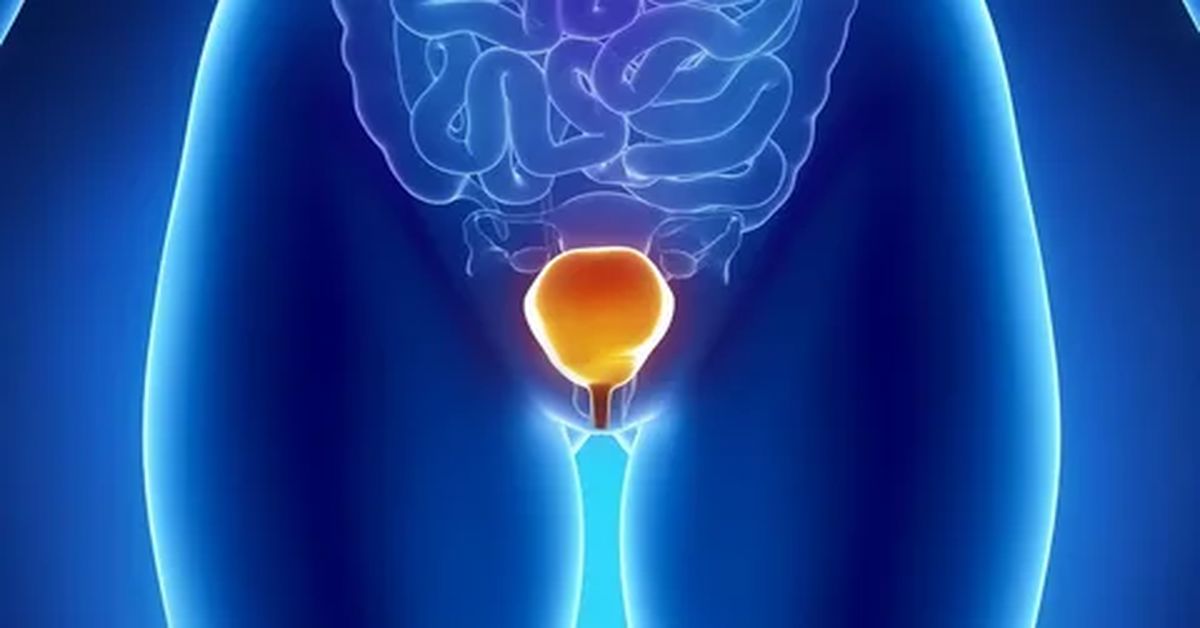
Bladder inflammation is a common infection of the urinary tract caused by bacteria. It is more common in women than men. Symptoms typically include frequent urination, burning during urination, and discomfort in the lower abdomen. These symptoms can make daily life difficult and affect social activities. Early detection is important to prevent the spread of infection.
Treatment of bladder inflammation, Treatment is planned according to the severity of the infection and the patient's overall health condition. In mild cases, short-term antibiotic use is sufficient. In more serious cases, the doctor may recommend long-term and stronger antibiotic treatment.
Drinking plenty of water and paying attention to hygiene during treatment helps to control the infection quickly. In some cases, pain relievers and urinary tract relaxants may also be used.
Recurrent bladder infections are more common in people with weakened immune systems. The risk of recurrence also increases in those with additional health problems such as kidney stones and diabetes. In these individuals, the infection can lead to serious complications. Therefore, early intervention and the correct treatment plan are of great importance.
Regular check-ups are essential to prevent recurrence of the disease. It is necessary to pay attention to urinary tract health and adopt proper hygiene habits. Properly applied... treatment of bladder inflammation It is beneficial. It helps control the infection. It also preserves the patient's quality of life. Most patients return to their normal lives shortly after treatment is completed.
Who is a suitable candidate for Bladder Inflammation Treatment?
Bladder inflammation is a common condition caused by bacteria in the urinary tract. It is more common in women than men and manifests with symptoms such as frequent urination, burning sensation, and lower abdominal pain. This condition can negatively affect daily life and make it difficult for the patient to move around comfortably.
In some individuals, the infection may progress more rapidly. Those with weakened immune systems and those who frequently experience recurrent urinary tract infections are at risk. Elderly individuals and pregnant women also require special attention due to their increased risk of complications.
Treatment of bladder inflammation, This is especially important for these risk groups. Treatment is usually done with antibiotics, which allows the infection to be quickly brought under control. In mild cases, short-term treatment may be sufficient. In severe cases, a long-term treatment plan is applied. Drinking plenty of water and paying attention to hygiene during treatment prevents the infection from recurring.
Regular check-ups and healthy lifestyle habits help protect bladder health. Patient adherence to treatment reduces the risk of complications. Ultimately, properly administered treatment ensures disease control. With early intervention, most patients can return to normal life in a short time.
How is bladder inflammation treated?
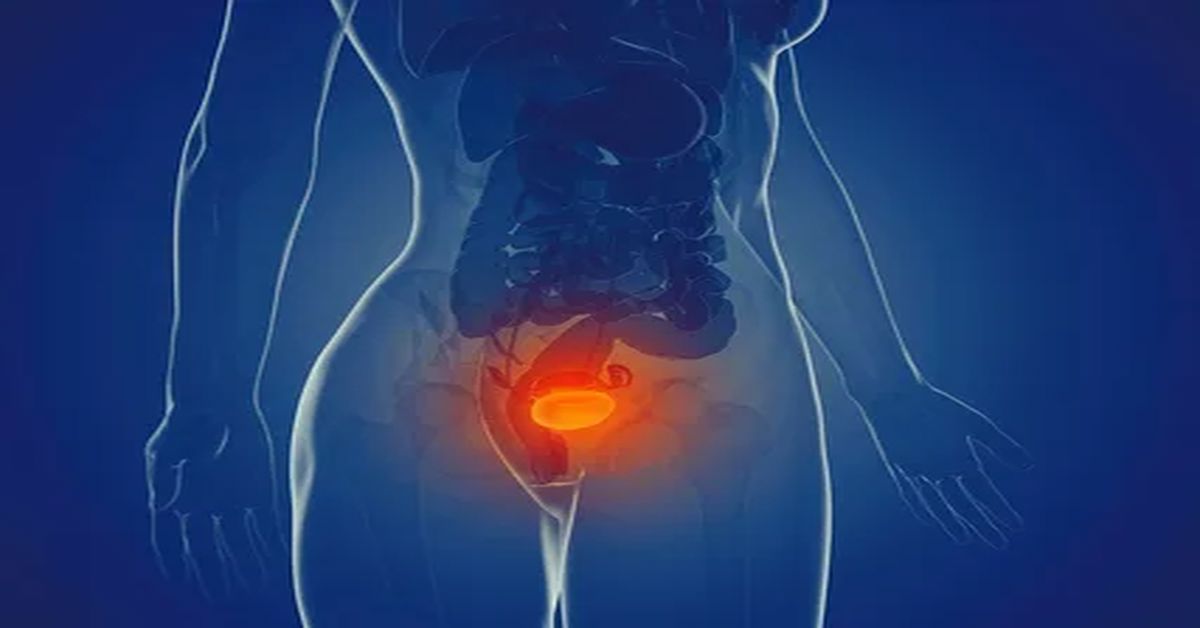
Treatment of bladder inflammation It is applied to control urinary tract infections. Treatment varies depending on the severity of the infection. In mild cases, a short course of antibiotics is sufficient. In severe or recurrent infections, long-term treatment is required. Drinking plenty of water and paying attention to hygiene speeds up recovery.
The doctor will usually perform a urine test. This test identifies the bacteria and indicates the appropriate medication. If necessary, blood tests or ultrasounds will be used to check for other problems. The patient's overall health influences the treatment plan.
Pain relievers or urinary tract relaxants are sometimes recommended for pain and burning. Medications should be used regularly. Incomplete use can lead to a recurrence of the infection. Regular check-ups are important to monitor healing and prevent complications.
Most patients return to normal quickly after treatment is complete. Hygiene and adequate fluid intake prevent recurrence of the infection. A healthy lifestyle and adherence to doctor's recommendations support bladder health. In this way, the infection heals quickly and quality of life is preserved.
What is the recovery process like after treatment for bladder infection?
After treatment is complete, the recovery process requires attention. The antibiotics used during treatment control the infection. However, it may take time for the body to recover. Patients often experience a mild burning sensation or frequent urination for a few days after treatment. This is usually normal and disappears as the body clears the infection.
Drinking plenty of water is important during the recovery process. Fluid intake cleanses the urinary tract and reduces the risk of infection. It is also important to pay attention to hygiene rules. Cleaning after using the toilet and wearing cotton underwear prevents re-infection. A regular and balanced diet strengthens the immune system and helps the body fight infection more quickly.
In some patients, the doctor may recommend additional measures. Pain relievers may be advised if pain or discomfort persists. In cases of recurrent bladder infections, the doctor may develop a treatment plan. Long-term low-dose antibiotic therapy may be used. Regular check-ups are necessary to prevent possible complications.
In conclusion, correctly implemented treatment of bladder inflammation It ensures complete eradication of the infection. It also helps maintain bladder health. Post-treatment hygiene, adequate fluid intake, and lifestyle measures support the patient's rapid return to normal life. This prevents infection recurrence and preserves quality of life.
]]>