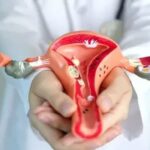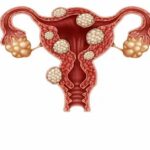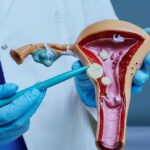
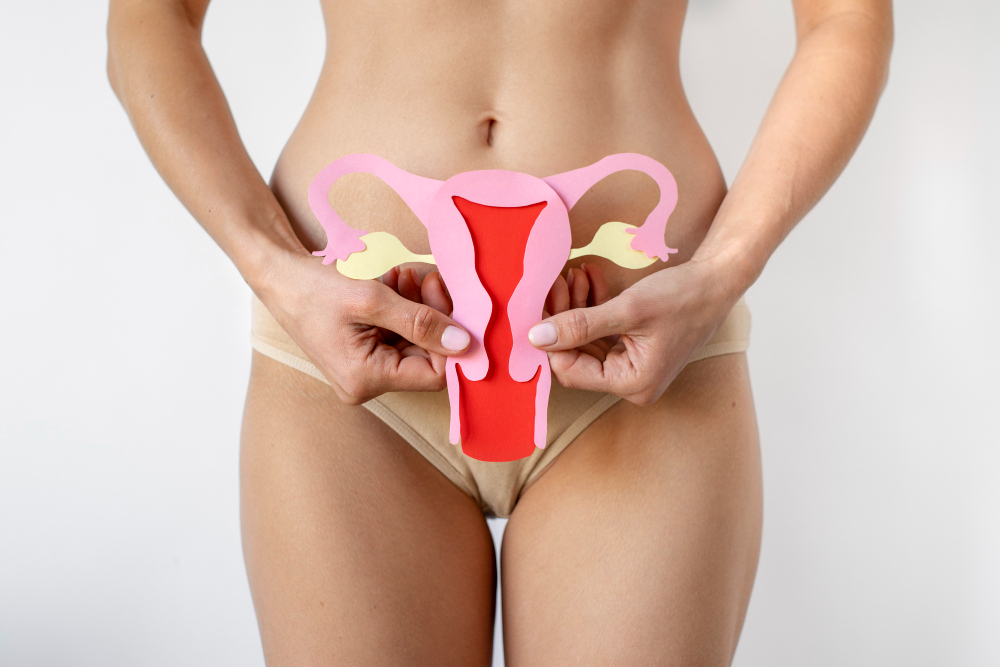
It is a condition that occurs as a result of the weakening of the pelvic floor muscles and the vagina, which is the female reproductive organ. vaginal prolapseIt is linked to displacement or loosening of the vagina due to factors such as aging, childbirth, and obesity. It can negatively affect women's quality of life and cause problems such as urinary incontinence and pain during sexual intercourse.
Vaginal Prolapse Symptoms and Causes?
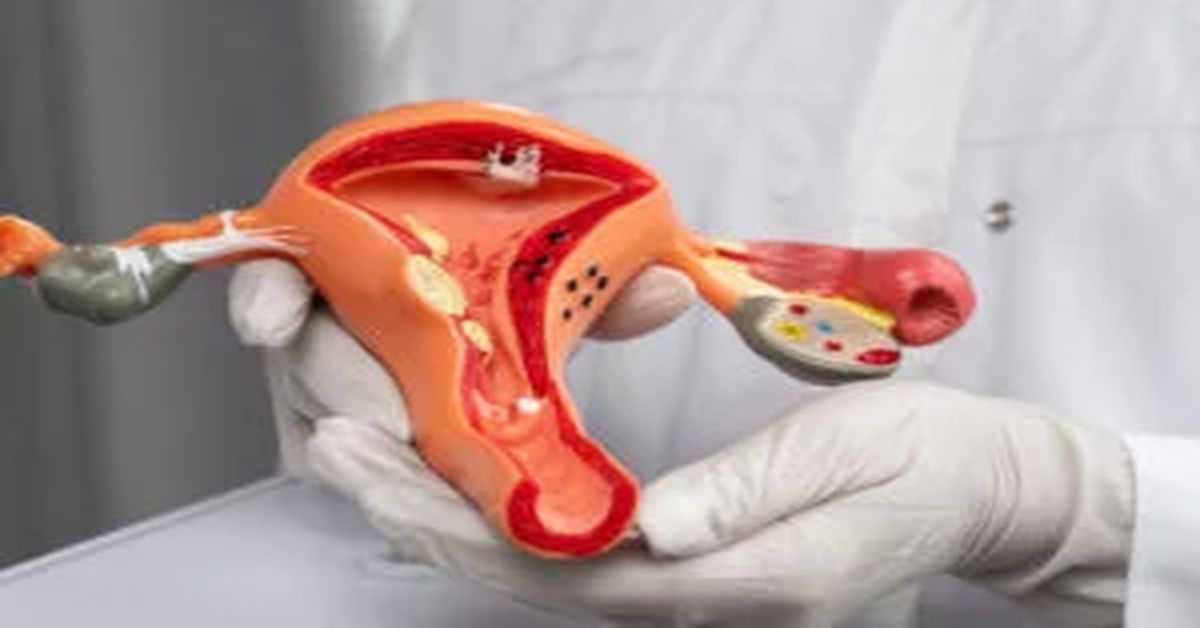
The muscles and connective tissues supporting the vaginal area can weaken over time. Childbirth, aging, and hormonal changes can cause these tissues to loosen. Weakening of the pelvic floor muscles can lead to a feeling of pressure in the vaginal area. Some women may experience discomfort when sitting or standing for long periods. This can negatively impact their quality of daily life. Conditions such as heavy lifting and chronic constipation can also strain the pelvic area.
A feeling of fullness in the vaginal area, downward pressure, and urinary incontinence are common complaints. vaginal prolapse This suggests that a condition is developing. Some women may feel a palpable lump in the vaginal area. Symptoms may worsen after standing for long periods. Discomfort during sexual intercourse may also occur. These symptoms can intensify over time and make daily activities difficult. Therefore, it is important to seek professional help when symptoms begin.
One of the most important reasons for this problem is difficult births. Women who have had many normal births may experience more strain on their pelvic muscles. As age progresses, the elasticity of tissues decreases and supporting structures weaken. Changes in hormone levels during menopause can also affect tissues. Excess weight and prolonged heavy lifting habits are also risk factors. Regular pelvic floor exercises can help reduce the risk.
Pelvic muscle weakness and tissue problems develop over time. vaginal prolapse This lays the groundwork for complications. Therefore, symptoms should not be ignored. Maintaining a healthy weight and avoiding heavy lifting are important. Regular exercise can strengthen pelvic muscles. Early intervention improves quality of life and can prevent more serious problems later on.
Who Gets Vaginal Prolapse?
Pelvic floor prolapse occurs as a result of weakening of the pelvic floor muscles. Prolapse problems can occur in women of different age groups, but some individuals are at higher risk. Daily activities such as lifting heavy objects and standing for long periods put pressure on the pelvic region. Over time, this pressure can lead to the loosening of supporting tissues. Pelvic muscle wear and tear is particularly common in women who have given birth.
The risk increases in women who have had multiple vaginal deliveries. Pelvic muscles can be severely strained during childbirth. In addition, chronic constipation negatively affects the pelvic region due to the constant need to strain. Excess weight can also increase intra-abdominal pressure, leading to weakening of tissues.
Changes come with age vaginal prolapse The likelihood of this occurring increases. During menopause, the decrease in estrogen reduces the elasticity of tissues. Pelvic muscles weaken, and supporting structures may lose their strength. The risk may also be higher in individuals who have previously undergone pelvic surgery. Therefore, it is important for women experiencing pressure in the pelvic region to seek professional help.
A sedentary lifestyle can also lead to weakening of the pelvic muscles. Weak muscles prevent adequate support for internal organs. Regular exercise and maintaining an ideal weight can reduce the risk. Avoiding heavy lifting in daily life is important. Taking early precautions helps protect pelvic health and prevent problems that may arise later.
What are the Treatment Methods for Vaginal Prolapse?
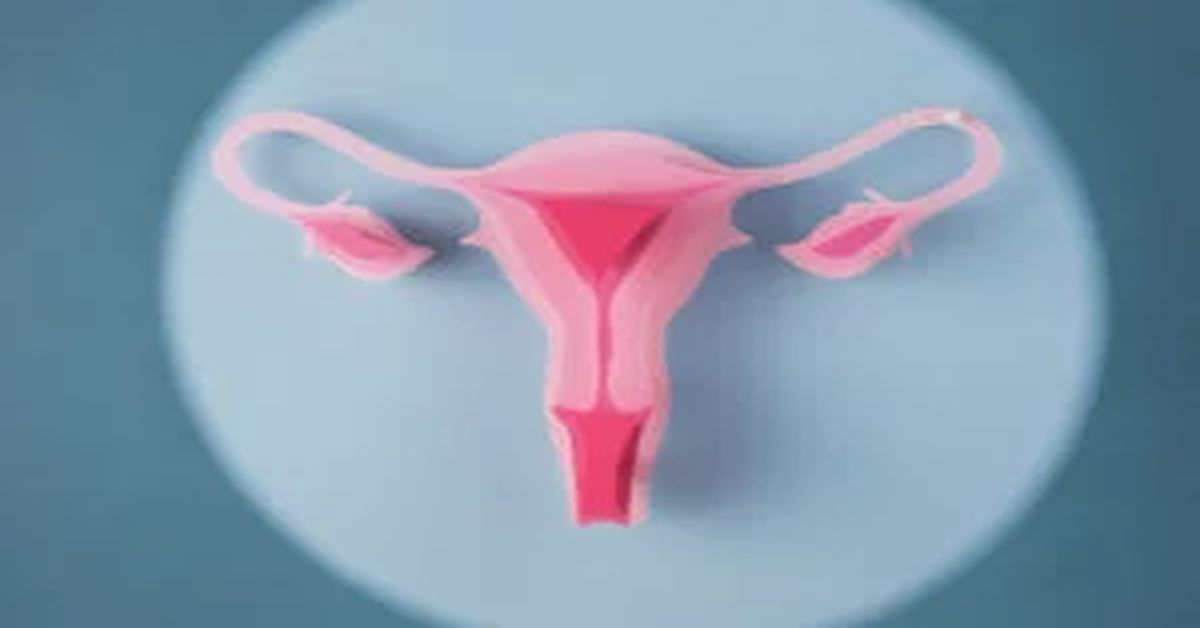
It occurs as a result of weakening of the pelvic floor muscles. The treatment method for prolapse problems varies depending on the severity of the complaint. In mild cases, surgical intervention may not be necessary. Symptoms are controlled with exercises aimed at strengthening the pelvic muscles and lifestyle changes. Maintaining weight control and avoiding heavy lifting are also important parts of the treatment. Exercise programs performed under the supervision of a doctor support the healing process.
In cases of prolapse that cause advanced symptoms, surgical treatment options may be considered. During surgery, weakened supporting tissues are repaired, and the organs are returned to their normal position. In some patients, special materials that support the vaginal area may be used. Which method will be applied? vaginal prolapse This is determined according to the age and general health condition of the living patient.
Non-surgical methods may also be suitable for some patients. Support devices called vaginal pessaries help prevent the organs from sagging downwards. In addition, laser-assisted treatments can contribute to tissue tightening. These methods are usually performed quickly, and a quick return to daily life is possible. However, regular follow-up and check-ups are important for the success of the treatment.
Lifestyle adjustments are necessary in the post-treatment period. Exercises that strengthen the pelvic muscles should be performed regularly. Controlling risk factors such as constipation and excess weight is important. Regular doctor check-ups help ensure lasting recovery.
What is the recovery process like after vaginal prolapse treatment?
The recovery process after vaginal prolapse treatment can vary depending on the method used. Patients who undergo surgery may experience mild pain and tenderness in the first few days. This usually subsides quickly. It is important for patients to rest and follow their doctor's recommendations during this period. Heavy lifting and strenuous activities should be avoided in the first few weeks. Regular check-ups help ensure healthy healing.
It is important to pay attention to hygiene rules in the post-treatment period. To reduce the risk of postoperative infection, the doctor's recommendations should be followed. It is important for patients to avoid constipation and excessive straining. Adequate fluid intake and a fiber-rich diet support healing. Exercises that strengthen the pelvic muscles are also very important in the post-treatment period. These exercises help strengthen the supporting tissues in the long term.
Some patients may experience a temporary feeling of fullness or mild pain after treatment. These symptoms usually subside quickly. However, if you experience severe pain, fever, or abnormal discharge, you should consult a doctor. Regular check-ups allow for early detection of potential complications. During this process, it is recommended that patients gradually return to their daily lives without overexerting themselves.
Maintaining healthy lifestyle habits in the long term is important. Weight control and regular pelvic muscle exercises are necessary. Avoiding heavy lifting and not missing check-ups will help ensure lasting recovery. If these precautions are not taken... vaginal prolapse It can recur. Further treatment may be required.