Pelvic floor muscles support the body. Over time, this structure can weaken. The birthing process can have an impact. The risk increases with age. What is vaginal prolapse? This question becomes important at this point. A feeling of pressure may occur. Urinary problems may arise. Daily life may be affected. Early evaluation is crucial.
What is Vaginal Prolapse? What are its Symptoms?
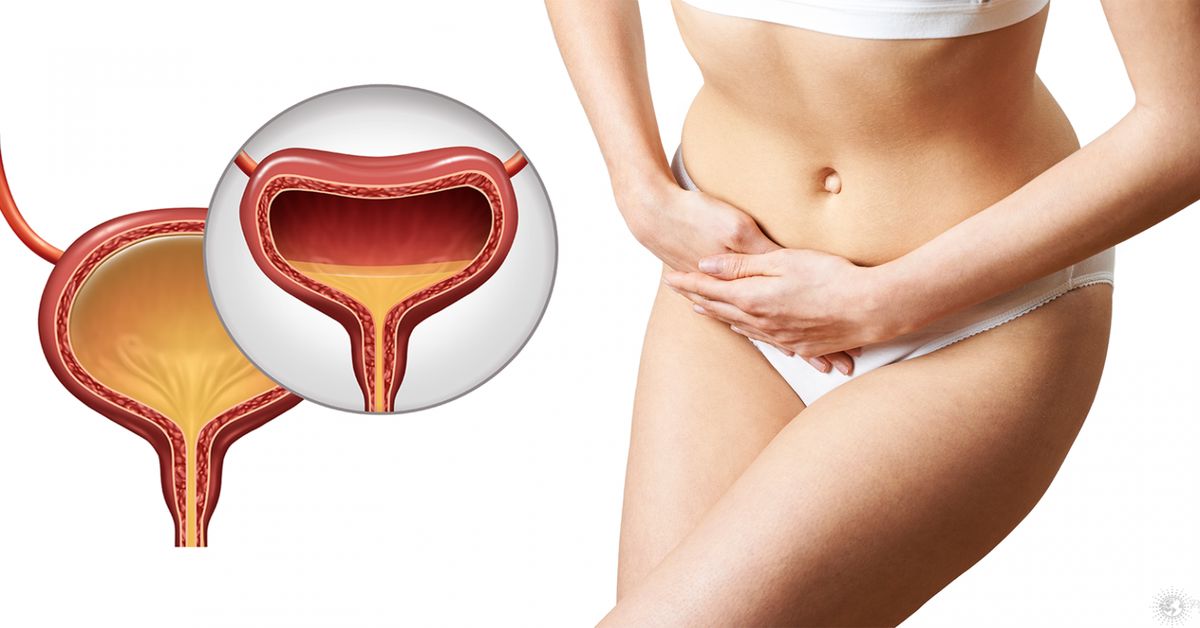
Pelvic floor muscles support the internal organs. This structure can weaken over time. Childbirth can be a contributing factor. The risk increases with age. This condition affects women's health and causes discomfort in daily life. Early detection is important. Accurate diagnosis facilitates treatment. Expert evaluation is necessary.
The most common symptom is a feeling of pressure. There is a feeling of fullness in the lower abdomen. vaginal prolapse This condition causes downward pressure inside the vagina. This pressure may worsen during the day. Standing for long periods increases the symptoms. There may be relief when sitting. Difficulty urinating may occur. Frequent urination may develop. These symptoms reduce the quality of life.
In some cases, different symptoms may arise. Urinary incontinence may occur. Constipation problems may develop. Sexual life may be affected. This situation can also have psychological effects. Daily activities may become difficult. Therefore, symptoms should not be ignored. Early intervention facilitates the process. Regular check-ups are important.
Accurate diagnosis is crucial in the treatment process. vaginal prolapse It is easier to manage when detected early. Pelvic floor exercises provide support. Different methods may be applied in advanced cases. Expert advice should be taken into consideration. Regular follow-up is important. With the right approach, quality of life can be improved.
Who Gets Vaginal Prolapse?
Pelvic floor muscles support the body. This structure can weaken over time, causing difficulties in daily life. The risk increases with age. This condition affects women's health. Correct lifestyle habits are important. Early detection facilitates the process. Expert evaluation is necessary. Regular follow-up is crucial.
The risk is higher in women who have given birth. Normal childbirth, in particular, can strain the pelvic floor muscles. Having multiple births increases the risk. Pregnancy affects the pelvic floor, and this becomes more pronounced over time. This can be supported with proper exercise. Therefore, postpartum care is important. Pelvic floor muscles should be strengthened. Healthy lifestyle habits are supportive.
The risk increases for people who lift heavy objects. Physically demanding jobs affect muscle structure. vaginal prolapse This condition is more common in this group. Standing for long periods can also be a contributing factor. Chronic constipation increases pressure, which weakens muscle structure over time. Regular exercise is important, and pelvic muscles should be supported. Adopting the right habits reduces the risks.
The risk becomes more pronounced in older women. Hormonal changes play a role. Muscle structure weakens after menopause. This increases the risk of sagging. Healthy eating is important. Regular exercise is recommended. Expert supervision supports the process. With proper care, quality of life is preserved.
What are the Treatment Methods for Vaginal Prolapse?
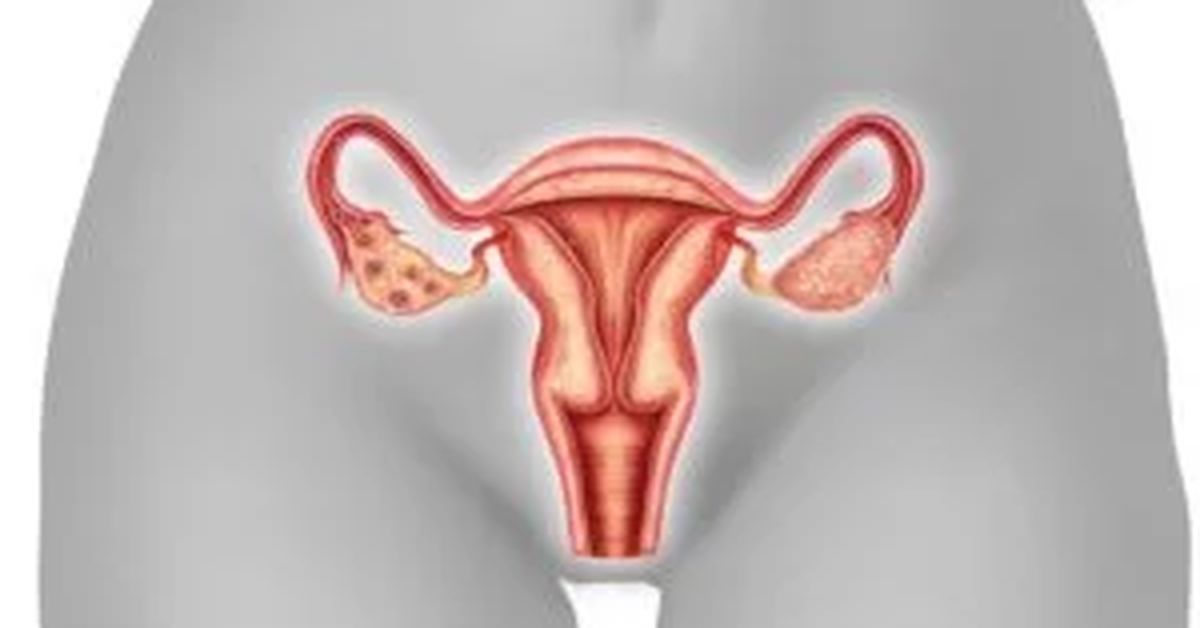
The pelvic floor muscles support the internal organs. Problems arise when this structure weakens. Discomfort increases in daily life. A feeling of pressure occurs. Urinary problems may occur. This reduces the quality of life. Early intervention is important. The correct treatment process should be planned. Expert evaluation is necessary.
Treatment methods are determined according to the patient's condition. Exercise is recommended in mild cases. vaginal prolapse This condition can be controlled with pelvic floor exercises. The muscle structure is strengthened, which increases support and reduces daily discomfort. Regular practice is important. This method is effective in the early stages. Expert follow-up is necessary.
In moderate cases, supportive methods are preferred. Vaginal devices can be used. These devices support the organs, reduce the feeling of pressure, and make daily life more comfortable. The usage process should be under expert supervision. Correct application is important. This method offers a non-surgical option. Regular follow-up is necessary.
In advanced cases, surgical methods may be applied. Damaged structures are repaired. Organs are repositioned correctly. This provides a permanent solution. The decision for surgery is made after expert evaluation. The treatment process is planned individually for each patient. Regular check-ups are important. With the right method, quality of life is improved.
What is the recovery process like after vaginal prolapse treatment?
The post-treatment process must be carefully managed. Rest is important in the first few days. The pelvic area must be protected. Pain must be kept under control. Doctor's recommendations should be followed regularly. Patience is important during this process. Daily movements should be done in a controlled manner. The healing process progresses according to a plan. Regular follow-up is necessary.
Heavy lifting should be avoided in the first few weeks. Standing for long periods is not recommended. Sudden movements should be avoided. Toilet habits should be regulated. Constipation should be prevented. This will reduce pressure on the area. Attention should be paid to hygiene rules. Regular check-ups are important. Expert monitoring will guide the process.
Pelvic floor exercises support the healing process. Muscle structure should be strengthened. Regular exercise is important and should be done under the guidance of a professional. Incorrect movements should be avoided. This process should proceed in a planned manner. Positive results are obtained with patience. Muscle support provides long-term benefits. Healthy lifestyle habits are important.
The recovery process varies from person to person. vaginal prolapse Proper aftercare increases the chances of success. Symptoms decrease over time. Daily life becomes more comfortable. Regular check-ups should not be neglected. Expert advice supports the process. A patient approach leads to positive results. Quality of life improves over time.