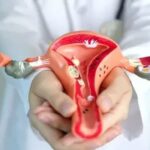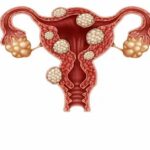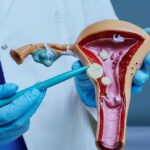
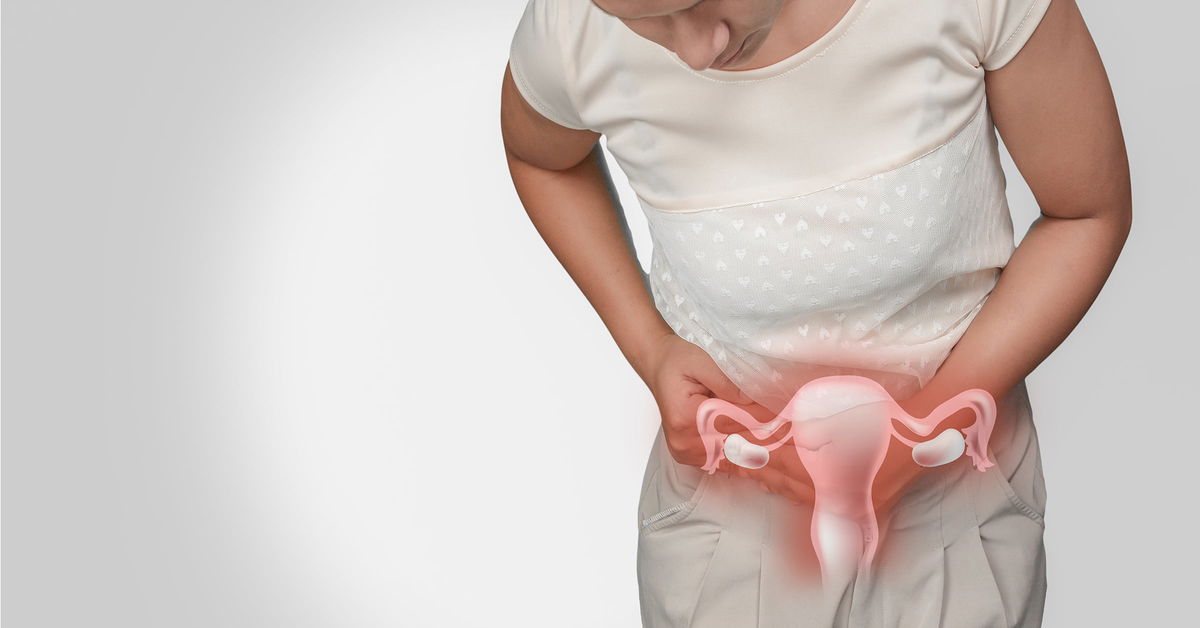
Surgery is performed when the pelvic muscles are weakened. Childbirth and aging can trigger this problem. Daily life comfort may decrease. Problems such as urinary incontinence may occur. At this point... Vaginal prolapse surgery It restores structural support. The pelvic organs are brought back to their correct position. The procedure is generally performed safely. The recovery process requires regular follow-up. The goal is to improve quality of life and provide comfort.
Who is Suitable for Vaginal Prolapse Surgery?
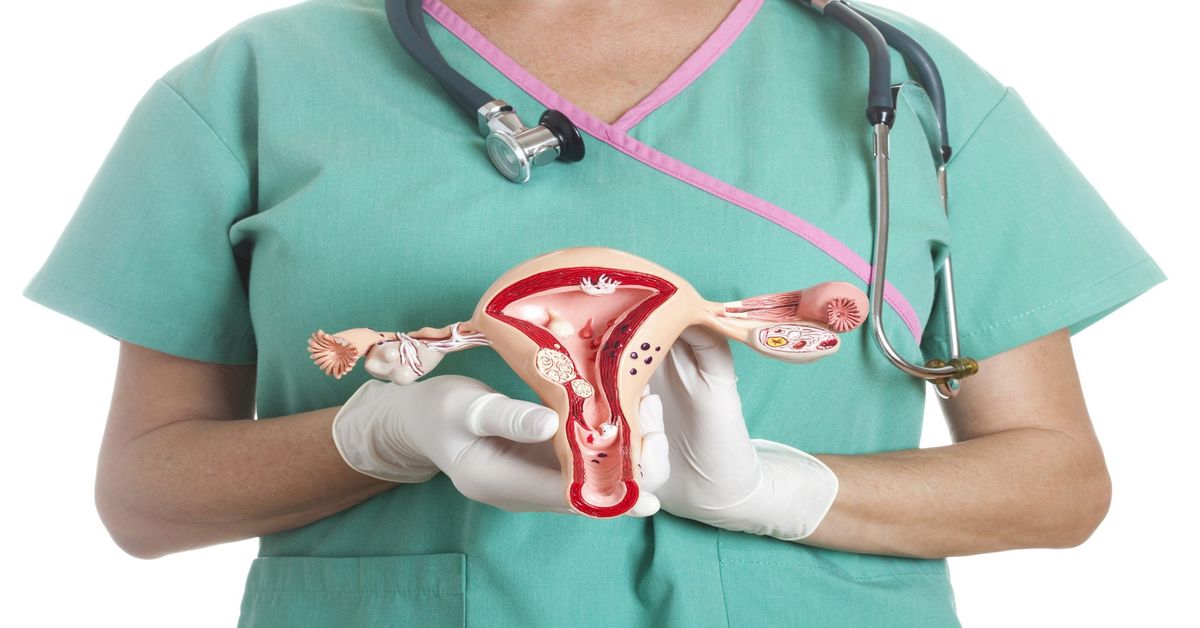
Vaginal prolapse usually occurs due to weakening of the pelvic muscles. It is more common in women who have given birth. The risk increases with age. This condition can affect daily life comfort. Urinary incontinence and a feeling of pressure may occur. Standing for long periods may become difficult. Therefore, accurate evaluation is important. The goal is to preserve quality of life. Early diagnosis facilitates the process.
The patient's overall condition is a determining factor in the treatment plan. At this point... Vaginal prolapse surgery This may be suitable for individuals experiencing advanced prolapse. Pelvic muscle support may be severely reduced. Symptoms affecting daily life may worsen. Medication and exercise may not be sufficient. In these cases, surgical options are considered. Choosing the right patient increases the success of the treatment.
Women who have given birth multiple times are at higher risk. Similarly, sagging can occur in the postmenopausal period. Weak connective tissue is a significant factor. Excess weight also puts pressure on the pelvic floor, which can worsen symptoms. Therefore, lifestyle factors should be considered. The treatment plan is tailored to the individual.
Post-treatment expectations should also be evaluated. Proper planning at this stage leads to successful results. Vaginal prolapse surgery It improves the patient's quality of life. Daily activities become easier. Doctor's recommendations should be followed. Regular check-ups should not be neglected. The goal is to provide a comfortable and healthy life. The patient can return to their normal life over time.
In what situations is vaginal prolapse surgery used?
Vaginal prolapse occurs as a result of weakening of the pelvic floor muscles. This condition can develop after childbirth or with age. Pelvic organs may shift downwards, negatively impacting daily life. A feeling of pressure and discomfort may occur. Standing for long periods can become difficult. Early assessment is crucial. The patient's complaints should be carefully listened to. Accurate diagnosis is of paramount importance in this process.
In mild cases, exercise and lifestyle changes may be sufficient. Pelvic floor exercises help strengthen the muscles. However, in some cases, these methods are not enough. Symptoms may worsen. Urinary incontinence and a feeling of fullness may become more pronounced. At this point, more advanced treatment methods are considered. Regular medical check-ups are crucial. The patient's condition should be monitored regularly.
at this point Vaginal prolapse surgery It is preferred in cases of advanced prolapse. Displacement of the pelvic organs can reach a serious level. Daily life comfort is significantly reduced. Urinary and bowel functions may be affected. This situation reduces the patient's quality of life. The organs are brought to their correct position with surgical intervention. The aim is to restore structural support. The treatment process is carefully planned.
Surgery may also be necessary in cases of recurrent sagging. Previous treatments may not have yielded satisfactory results. In this case, surgical methods offer a permanent solution. The treatment plan is tailored to the individual patient. Following the doctor's recommendations is important. Regular check-ups should not be neglected. The goal is to provide a comfortable and healthy life. The patient regains their quality of life.
How is Vaginal Prolapse Surgery Performed?
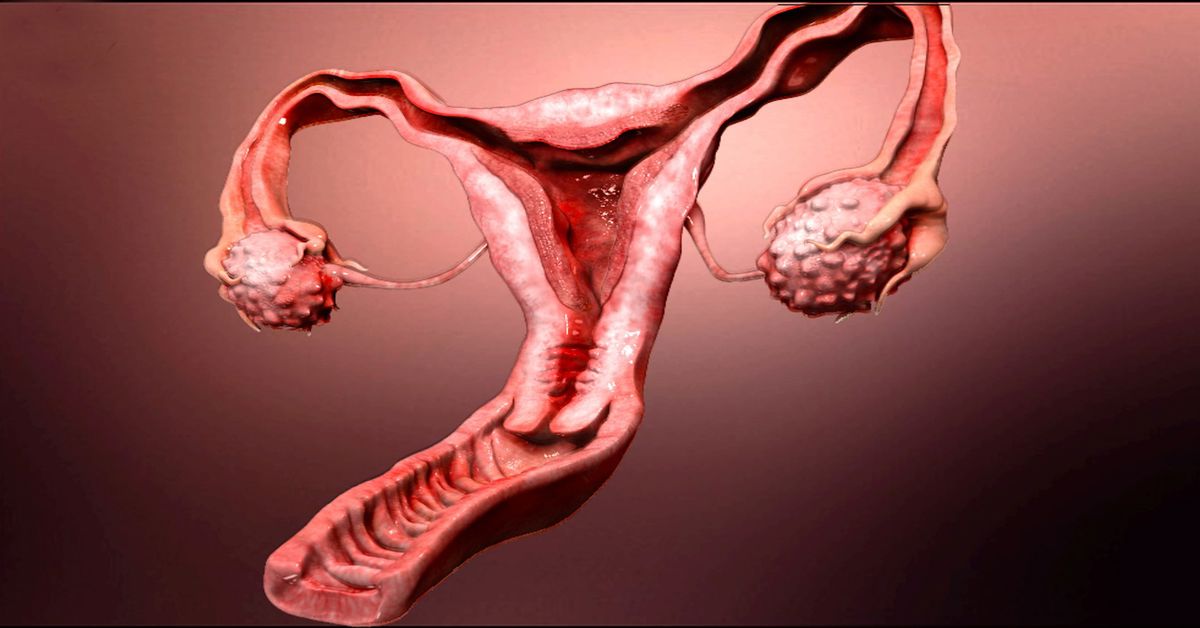
Pelvic prolapse surgery aims to restore the pelvic organs to their normal position. Before surgery, the patient's general health is assessed, necessary tests are performed, and the degree of prolapse is determined. A treatment plan is prepared based on these assessments. The goal is to choose the most appropriate method. The patient is informed about the process in detail. This stage affects the success of the treatment. The patient's expectations should also be taken into consideration.
During the surgical procedure, the pelvic floor is carefully examined. At this point... Vaginal prolapse surgeryWeakened tissues are strengthened. Excess tissue is removed if necessary. Pelvic muscles are tightened. Organs are repositioned correctly. A sterile environment is maintained during the procedure. The surgical team manages the process in a controlled manner. The goal is to restore structural support. The procedure proceeds according to plan.
Surgery is usually performed under general or spinal anesthesia. The patient does not feel pain during the procedure. The duration may vary depending on the extent of the prolapse. In some cases, minimally invasive methods are preferred. These methods accelerate the healing process, increase patient comfort, and may shorten hospital stays, all of which positively impact the recovery process.
The post-operative period requires careful monitoring. Rest is important in the first few days. Doctor's recommendations should be followed. Heavy lifting should be avoided. Regular check-ups should not be neglected. Patience is necessary during the healing process. Attention should be paid to diet. The goal is to achieve a healthy recovery and long-term success.
What is the recovery process like after vaginal prolapse surgery?
The recovery process after sagging surgery requires careful monitoring. Rest is important in the first few days. The body is trying to adapt to the surgical procedure. Mild pain and tenderness may occur. Medications prescribed by the doctor should be taken regularly. Sudden movements should be avoided. The patient should not strain themselves during this period. Proper care supports healing. The patient's general condition should be closely monitored.
Hospital stays are usually short. The post-discharge period requires careful attention at home. Heavy lifting should be avoided in the first few days. Standing for long periods is not recommended. Sitting and standing movements should be done carefully. Hygiene rules should be observed during this period. This way, the recovery process will proceed more healthily. Daily activities should be gradually increased.
Diet is also an important factor. A light and balanced diet should be preferred. Fiber-rich foods should be consumed to prevent constipation. Drinking plenty of water supports recovery. Maintaining the body's resistance is important. Regular doctor check-ups should not be neglected. In this way, potential problems can be detected early. Healthy lifestyle habits support the process.
In the final stage of the recovery process, the patient returns to daily life more easily. At this point... Vaginal prolapse surgery Proper post-operative care is of great importance. Pelvic floor exercises may be recommended. Doctor's advice should be followed. Strenuous activities should be avoided. The goal is to ensure long-term recovery and quality of life. The person can confidently return to their normal life over time.