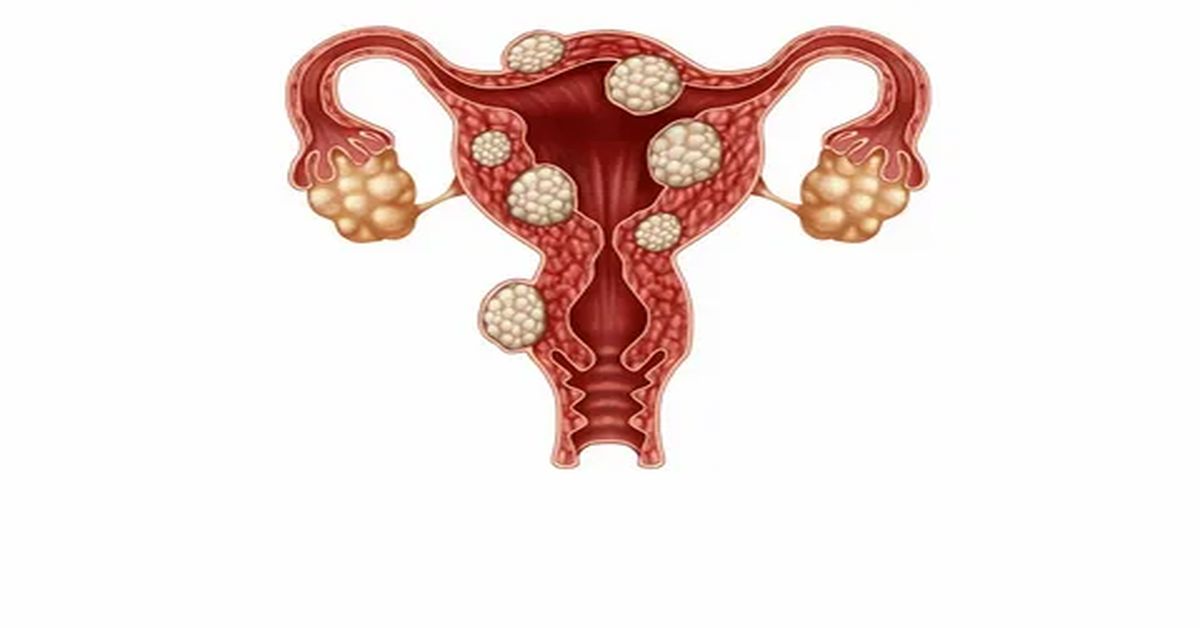
Ovarian cysts are common and often benign growths in women. They are usually detected during routine gynecological checkups. Many cysts shrink or disappear on their own. However, in some cases... ovarian cyst surgery It may become necessary. The decision for surgery is made based on the size, structure, and growth rate of the cyst, as well as the patient's symptoms.
Who is a suitable candidate for ovarian cyst surgery?
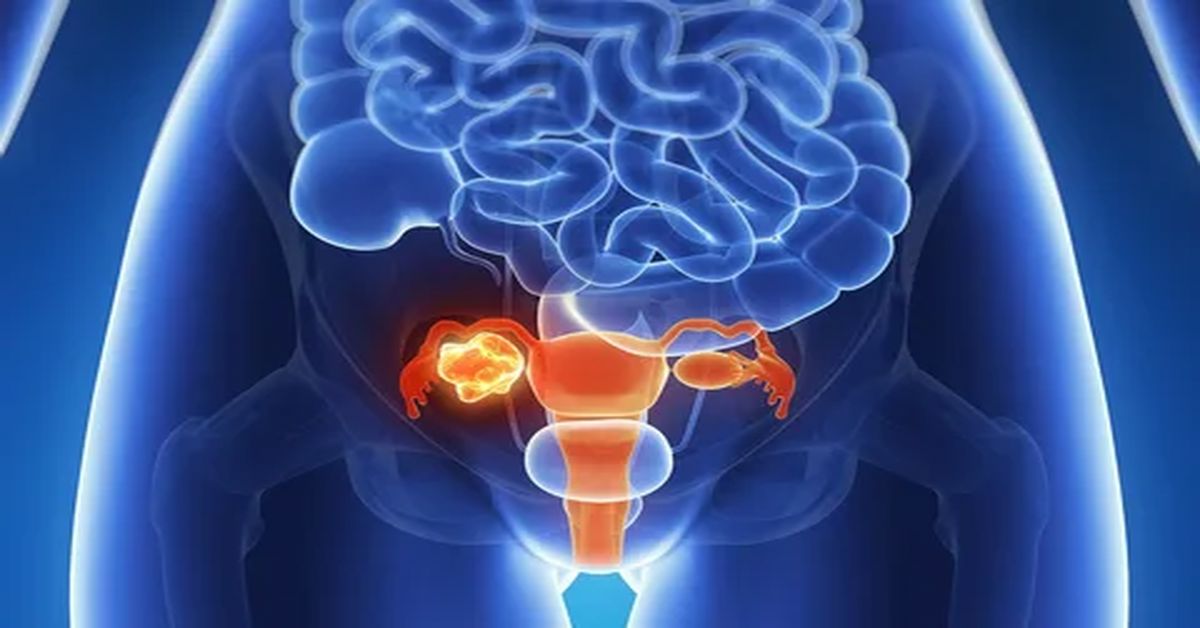
Ovarian cysts are common in women. Most are benign. Some are asymptomatic and disappear on their own. Therefore, surgery is not necessary for every cyst. The patient's age, symptoms, and the characteristics of the cyst are taken into consideration when making a decision. Regular follow-up is important in this process.
In women experiencing severe pelvic pain, which affects their daily lives, or whose cysts are rapidly growing Ovarian cyst surgery This may become an issue. A larger cyst diameter increases the need for surgery. The presence of suspicious findings in its internal structure is also an important factor. Some cysts do not respond to hormonal treatments. In this case, surgery becomes a more appropriate option.
Women experiencing irregular periods may also be at risk. Sudden onset pain can indicate an emergency. This condition is caused by the cyst twisting or rupturing. In such cases, immediate intervention is necessary. In women of reproductive age, preserving ovarian tissue is a priority.
In cysts detected after menopause Ovarian cyst surgery It is frequently evaluated. The risk of malignancy is higher in this age group. Blood tests and imaging results support the decision-making process. Surgery aims to eliminate potential risks. Therefore, the follow-up process is carried out more carefully.
In conclusion, surgery is not suitable for everyone. Each patient is evaluated individually. The structure of the cyst and the patient's general condition are determining factors. Early diagnosis ensures the right decision. Regular gynecological checkups clarify the need for surgery.
In what situations is ovarian cyst surgery used?
Ovarian cysts are often benign. Some do not cause any symptoms. These cysts are monitored with regular checkups. They may shrink or disappear completely over time. Therefore, surgery is not considered for every cyst. The decision-making process requires careful evaluation.
Some cysts cause significant symptoms. Persistent pelvic pain is a common symptom. A feeling of bloating and menstrual irregularities may also accompany the condition. Rapid cyst growth is an important warning sign. Furthermore, irregularities in the cyst's internal structure require monitoring. These findings increase the likelihood of surgery.
at this point Ovarian cyst surgery It is preferred in certain situations. A large cyst may necessitate surgery. Suspicion of malignancy is a significant factor. Sudden, severe pain, rupture of the cyst, or torsion requires immediate intervention. In such cases, surgery is planned without delay.
Cysts detected in the postmenopausal period are evaluated more closely. Risk factors increase in this age group. Blood tests and imaging results are considered together. Surgery is considered in the presence of suspicious findings. The aim is to prevent potentially serious problems.
In conclusion, the decision for surgery is made individually for each patient. The characteristics of the cyst are determining factors. The patient's age and general condition are taken into consideration. Regular gynecological follow-up ensures timely intervention. Early diagnosis prevents unnecessary surgeries.
How is ovarian cyst surgery performed?
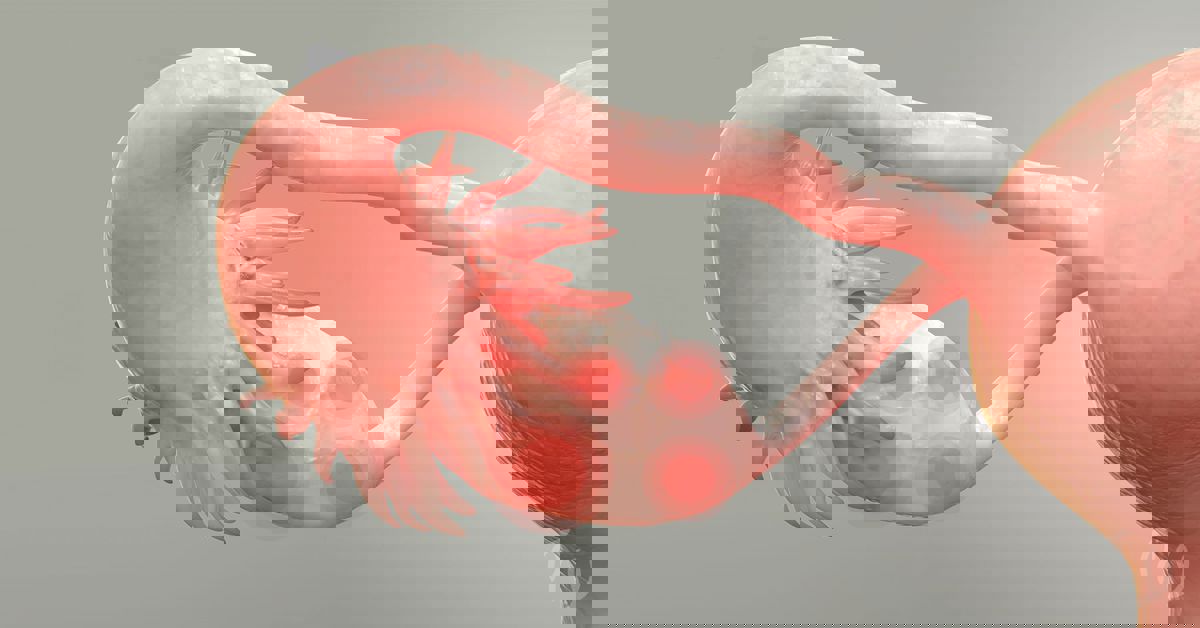
Before ovarian cyst surgery, a detailed evaluation of the patient is performed. The structure of the cyst is examined using ultrasound and necessary blood tests. The patient's age and symptoms are taken into consideration. The surgical method is determined based on this information. Minimally invasive surgery is preferred for most patients. The preparation process is meticulously planned.
Today Ovarian cyst surgery It is mostly performed using the laparoscopic method. In this technique, small incisions are made in the abdominal area. The cyst is visualized with the help of a camera. The cyst is carefully removed, and healthy ovarian tissue is preserved. Closed surgery causes less pain, and the recovery time is shorter.
In some cases, open surgery may be necessary. The size of the cyst affects this decision. Suspicion of malignancy is also an important factor. In open surgery, a larger incision is made in the abdominal area. The surgeon removes the cyst by directly visualizing it. The recovery time is slightly longer with this method.
Surgery is usually performed under general anesthesia. The duration of the procedure varies depending on the characteristics of the cyst. Most patients are discharged the same day or the next day. Mild pain may be experienced in the first few days. Medications prescribed by the doctor should be taken regularly. Return to daily life is usually quick.
In conclusion, surgery is a safe procedure. Choosing the right method is crucial. Regular check-ups should not be neglected. This ensures both a more positive recovery process and better long-term results.
What is the recovery process like after ovarian cyst surgery?
The post-operative recovery process varies depending on the surgical method used and the patient's overall condition. Patients who undergo minimally invasive surgery generally recover more quickly. Rest is recommended during the first few hours. Mild pain and fatigue are considered normal. These symptoms subside quickly. Hospital stays are usually short.
You may feel tenderness in your abdominal area during the first few days. Pain medication prescribed by your doctor should be taken regularly. Avoiding sudden movements is important. Light daily activities can usually be resumed within a few days. However, heavy lifting and intense exercise should be avoided for the first time. The recovery process requires patience.
Diet is important in the post-operative period. Light and easily digestible foods should be preferred. Drinking plenty of fluids is recommended. Constipation should be avoided. A lifestyle that doesn't strain the body should be adopted during this process. A regular sleep schedule also supports recovery.
Follow-up appointments should not be missed. The condition of the stitches and the healing process will be evaluated by the doctor. The pathology results will determine the follow-up plan. Menstrual cycles may change for a while. This is usually temporary. If any suspicious symptoms occur, a doctor should be consulted.
In conclusion Ovarian cyst surgery The post-operative process proceeds smoothly with proper care and regular follow-up. The patient's adherence to recommendations accelerates recovery. Most people return to their daily lives quickly. The goal is both to preserve health and improve quality of life.