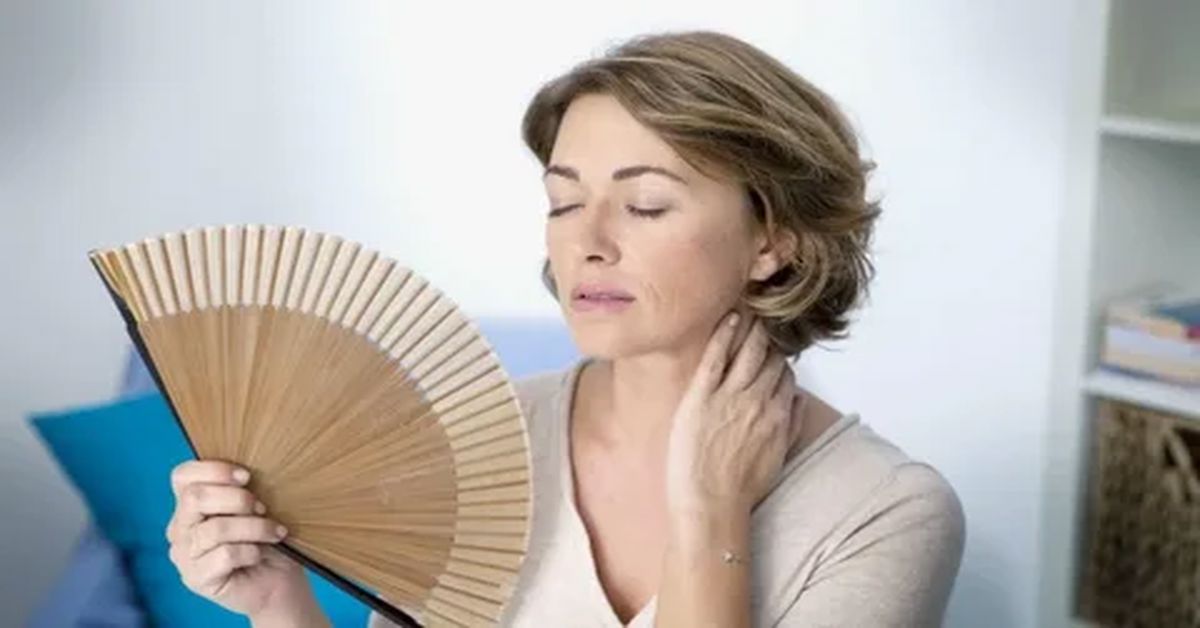
Women have a natural phase in their life cycle. What is menopause? The question generally refers to the phase between the ages of 45-55 when the menstrual cycle permanently ceases. During this process, the ovaries' hormone production decreases, and the fertile period ends. Symptoms such as hot flashes, night sweats, mood swings, and sleep problems may occur.
What are the symptoms of menopause?

A phase that occurs naturally in women's lives menopause, It usually occurs between the ages of 45 and 55. During this process, the ovaries' hormone production decreases, and the menstrual cycle permanently ends. Although it varies from person to person, some common symptoms can be observed.
Hot flashes, night sweats, and irregular sleep patterns are among the most common complaints. In addition, physical effects such as fatigue, headaches, and general weakness can make daily life difficult. These symptoms can sometimes persist for a long time and reduce quality of life.
Emotional fluctuations are also an important part of this period. Women may experience irritability, anxiety, and depressive moods from time to time. Attention deficit and memory problems may also emerge during this period. It can also lead to difficulties in social relationships and a loss of self-confidence.
Physical changes such as dry skin, thinning hair, weight gain, and decreased bone density may also occur. Conditions such as decreased sexual desire and vaginal dryness may also be experienced. These effects can negatively impact relationships between couples.
This is a period that has not only hormonal but also emotional and social aspects. A healthy lifestyle and balanced nutrition are important., menopause This is important during the process. Regular exercise and seeking professional support when needed can also help make this process easier.
What is Menopause? Its Significance for Women's Health
This period, a natural phase in a woman's life, represents a biological transition. The end of reproductive capacity is not limited to hormonal changes; it also has significant physical and psychological effects. In particular, it can have crucial impacts on bone health, the cardiovascular system, and mental balance.
During this process, a decrease in estrogen levels can lead to a reduction in bone density. The risk of osteoporosis increases, and fractures become more common in later years. Therefore, calcium and vitamin D intake, regular exercise, and lifestyle habits that support bone health are of great importance. At the same time, one also becomes more susceptible to heart disease.
Emotional fluctuations are common during this period. Sleep problems, fatigue, and stress are also prevalent. Therefore, mental health should be supported, and social relationships should be strengthened. Seeking psychological counseling when needed is recommended. All these changes can affect both the physical and mental balance of a woman.
Dietary habits should be reviewed, and sugar and processed foods should be avoided. Water consumption should be increased, and changes in the body should be monitored through regular health checkups. This is important for the early detection of diseases. From the perspective of women's health, menopause It should be seen not just as an end, but also as a new beginning.
Menopause Treatment Process

During this crucial period in a woman's life, treatment for physical and psychological changes should be tailored to the individual. Each person's symptoms and needs are different; therefore, personalized solutions are prioritized over a fixed treatment model.
Symptoms such as hot flashes and night sweats can significantly reduce quality of life. Lifestyle changes are considered the first step in alleviating these complaints. Healthy eating, regular exercise, and avoiding stress can be quite effective. Limiting smoking and alcohol consumption is also recommended.
In some cases, hormone therapy may be considered on the recommendation of a doctor. However, like any treatment method, this approach should be evaluated according to the individual's health history and risk factors. Alternatively, herbal supplements or natural remedies may also be considered.
Psychological support is important for protecting mental health and preventing depression and anxiety. Not feeling alone and managing the process consciously positively impacts recovery. A balanced lifestyle is important in the long term. Regular health checkups are also crucial. menopause It ensures a healthier and more comfortable pregnancy period.
What is the recovery process like after menopause treatment?
This is a period that needs careful management to maintain women's quality of life. Physical and psychological effects may persist during this process. It is important not to miss post-treatment check-ups. Hormone levels may remain low in the body. Therefore, some symptoms may reappear from time to time.
After completing treatment, women are advised to review their lifestyles. Regular exercise is particularly beneficial for maintaining bone health and preventing weight gain. Calcium and vitamin D supplements should be added to the diet. These supplements help reduce the risk of conditions like osteoporosis.
Maintaining mental balance is just as important as physical health. Sleep problems, absentmindedness, or emotional ups and downs may persist even after treatment. Therefore, seeking psychological support from a specialist when needed helps to navigate the process more healthily. Furthermore, staying connected with your social circle and leading an active life greatly contributes to morale.
Finally, women need to understand this period and learn to live in harmony with the changes in their bodies. What is menopause? Answering this question correctly requires medical knowledge. It is also an important step in accepting the natural process. Acting with this awareness provides significant advantages in terms of both mental and physical harmony.