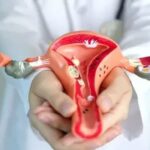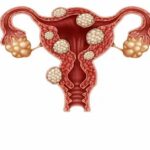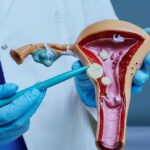

Failure to conceive despite regular unprotected intercourse may be a sign of underlying health problems. Irregular periods are among the symptoms to watch out for. Severe pelvic pain and hormonal changes can also indicate certain health issues. In particular... signs of infertility in women It can manifest differently in some people.
What Causes Infertility in Women?
The inability to conceive can be due to many different health reasons. Hormonal imbalances can affect the reproductive process. Ovulation problems can make it difficult for some people to get pregnant. Advanced age can also affect fertility. Regular checkups can help detect potential problems early. In some cases... infertility in women It may be related to changes in hormone levels.
Polycystic ovary syndrome (PCOS) can affect ovulation patterns. Blockages in the fallopian tubes can make conception more difficult. Certain problems related to the structure of the uterus can also play a role. Past infections can affect reproductive health in some individuals. Therefore, a detailed evaluation is important.
High levels of stress and irregular lifestyle habits can also affect fertility. Smoking and alcohol use can negatively impact reproductive health in some individuals. Unhealthy eating habits can alter hormonal balance. Being overweight or underweight can affect ovulation patterns in some cases. Regular exercise and balanced lifestyle habits can support reproductive health.
Some health problems infertility in women It can increase the risk. Conditions like endometriosis can make it difficult to conceive. Thyroid problems can affect hormonal balance. Regular doctor checkups can help identify possible causes. Early evaluation can be important for creating an appropriate treatment plan.
What are the symptoms of infertility in women?
infertility in women It can manifest with several symptoms. Failure to conceive is among the situations that require attention. Menstrual irregularities are also among the situations that require attention. Severe pelvic pain may be related to hormonal problems in some individuals. Ovulation problems can make it difficult to conceive. Early evaluation can help in planning the treatment process.
Hormonal changes can cause different symptoms in the body. Excessive hair growth can occur in some people. hormonal disorders It may be related to... Sudden weight changes can affect reproductive health. Prolonged irregular menstrual periods can be a sign of some health problems. This situation may occur in relation to hormonal changes. Some people experience intense menstrual cramps. Regular doctor check-ups can help detect potential problems early.
Failure to conceive after prolonged unprotected intercourse may be a cause for evaluation. Thyroid problems can affect fertility in some individuals. Polycystic ovary syndrome can disrupt ovulation patterns. Past infections can impact reproductive health. Healthy lifestyle habits can support reproductive health. A balanced diet and a regular routine can be important.
Some symptoms can be related to different health problems. Therefore, expert evaluation is important. Regular check-ups can help identify possible causes. Early diagnosis can support the creation of an appropriate treatment plan. Personalized assessment can contribute to a more accurate treatment process.
What are the treatment methods for infertility in women?

If pregnancy does not occur, different treatment methods can be considered. The treatment plan can be determined according to the individual's health condition. Hormonal imbalances can be controlled with medication in some people. Different supportive treatments can be applied for ovulation problems. Early evaluation can help in planning the appropriate treatment process.
In some cases, lifestyle adjustments can contribute to the treatment process. A balanced diet and a regular lifestyle can support reproductive health. Reducing smoking and alcohol consumption may yield positive results for some individuals. Regular doctor check-ups can be important for monitoring the treatment progress. Personalized treatment planning can affect the success of the treatment. In some cases, assisted reproductive techniques may be considered as part of the treatment.
Insemination therapy may be a suitable option for some individuals. In vitro fertilization (IVF) procedures can be planned according to different health conditions. Ovulation tracking can be important in the treatment process. The appropriate treatment method can be determined after expert evaluation.
Regular check-ups can be important during the treatment process. Conditions affecting hormonal balance may need to be monitored. Some people may respond positively to treatment quickly. infertility in women The process can vary from person to person. Expert support can help ensure a more accurate treatment plan. Early assessment can be advantageous in identifying appropriate methods.
What is the recovery process like after infertility treatment in women?
The post-treatment recovery process can vary from person to person. Regular doctor check-ups are important for monitoring the progress. Hormonal balance may be regulated within a certain period in some individuals. Healthy lifestyle habits can positively contribute to the treatment process. Balanced nutrition and regular sleep can support overall health.
What can be seen before treatment signs of infertility in women The course of the treatment may vary from person to person. Regular check-ups can help monitor any potential developments. The response to treatment can differ depending on the individual's health condition. Some people may see positive results quickly. It is important for the process to be carried out under expert supervision.
Post-treatment stress management can also be important. Intense stress can affect hormonal balance in some individuals. Regular exercise can support overall health. Avoiding smoking and alcohol consumption is recommended. A healthy lifestyle can contribute to the treatment process. Regular check-ups can help monitor treatment success.
Some people can return to their daily lives shortly after treatment. Regular follow-up can help detect potential problems early. Not missing check-ups can support a healthier treatment process. Personalized treatment planning can be important. Following expert recommendations can support the recovery process.