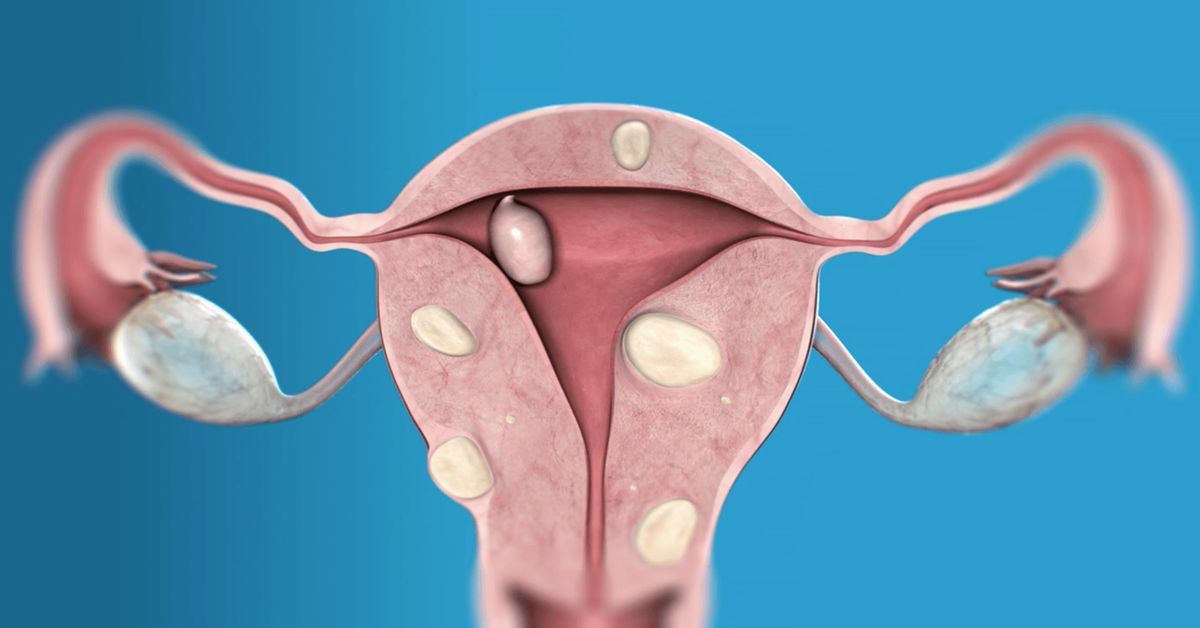
Uterine fibroids can cause symptoms in some women. Heavy menstrual bleeding can affect daily life. A feeling of pressure in the pelvic area may occur. Some people may experience frequent urination. Especially symptoms of uterine fibroids It can vary from person to person. A feeling of bloating in the abdominal area may be noticeable in some cases. Prolonged menstrual periods can cause fatigue.
What are the symptoms of uterine fibroids?
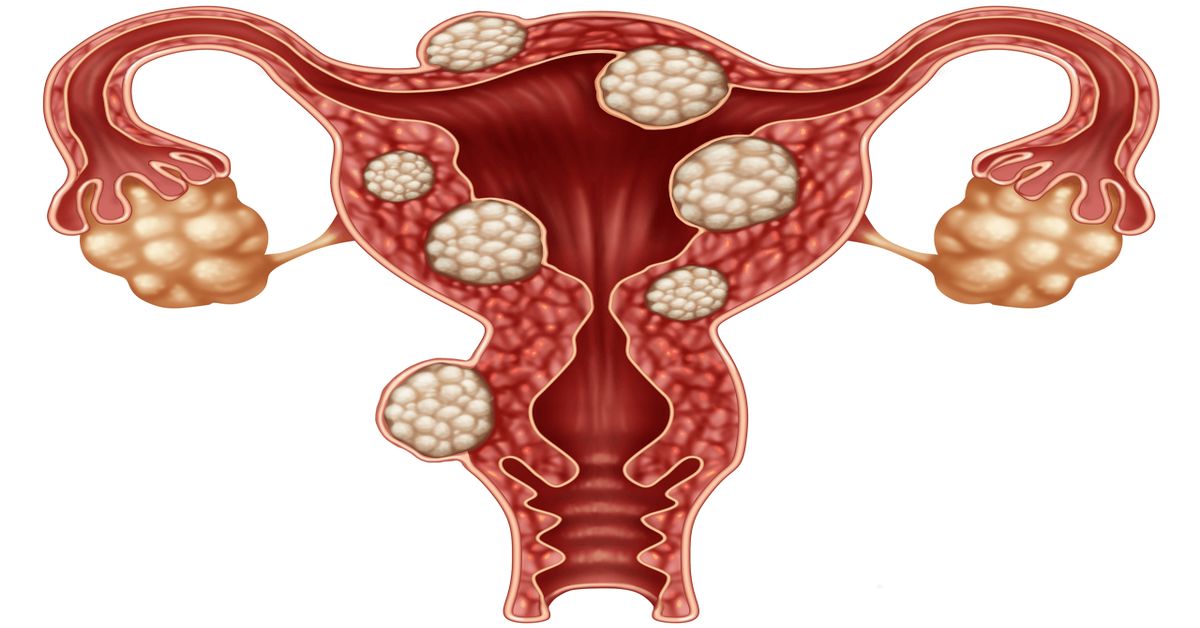
Uterine fibroids can progress without symptoms in some women. However, in others, they can cause symptoms that affect daily life. Heavy menstrual bleeding is among the most common symptoms. Prolonged menstruation can lead to feelings of fatigue. A feeling of pressure in the pelvic area may be noticeable in some women. A feeling of fullness in the abdominal area may occur. Frequent urination can affect daily life comfort.
In some women uterine fibroids It can manifest with various symptoms. Pain may occur in the groin area. A feeling of pressure may increase after standing for long periods. Some people may experience lower back pain. Large fibroids can cause swelling in the abdominal area. Heavy bleeding may occur during menstruation. This can lead to feelings of fatigue over time. Some people may experience discomfort during intercourse.
The symptoms caused by fibroids can vary from person to person. Some people may experience no symptoms for a long time. In some cases, symptoms may become more pronounced as fibroids grow. Fibroids that press on the bladder can cause a frequent need to urinate. When there is pressure on the intestinal area, a feeling of constipation may occur. Discomfort may be felt during daily activities.
Regular check-ups can be important for women's health. Detailed examinations may be necessary, especially for those experiencing heavy menstrual bleeding. Individuals experiencing abdominal bloating should seek professional help. Imaging techniques may be used in some cases. Regular follow-up can help in evaluating symptoms. Therefore... uterine fibroids Seeking expert opinion on complaints related to this may be important.
Who gets uterine fibroids?
Uterine fibroids are a common health problem in women. In some individuals, they may progress without symptoms for a long time. In others, heavy menstrual bleeding or pelvic pain may occur. Hormonal changes are thought to play a role in the formation of fibroids. They are especially more common in women of childbearing age. Regular gynecological checkups are important for early detection.
Certain risk factors can increase the likelihood of developing fibroids. Individuals with a family history may have a higher probability of developing them. Fibroid development may be noticeable during periods of intense hormonal changes. The frequency may increase with age. Excess weight can be considered a risk factor for some individuals. Irregular lifestyle habits can affect overall women's health. Therefore, regular check-ups are important.
Especially uterine fibroids It is more common in women of childbearing age. The incidence may increase after the age of thirty. In some women, fibroids of varying sizes may develop until menopause. Periods of intense hormonal changes can affect fibroid development. Individuals with a family history of similar health issues may have a higher risk. In some individuals, it may be detected during routine checkups without any symptoms.
Regular check-ups can be important for women's health. Those experiencing changes in their menstrual cycle may benefit from consulting a specialist. Individuals experiencing pressure or bloating in the abdominal area may require a detailed examination. Early assessment can help determine the appropriate treatment plan. Regular check-ups can ensure a more controlled progression of the health process. A personalized follow-up plan can be created based on expert advice.
What are the treatment methods for uterine fibroids?
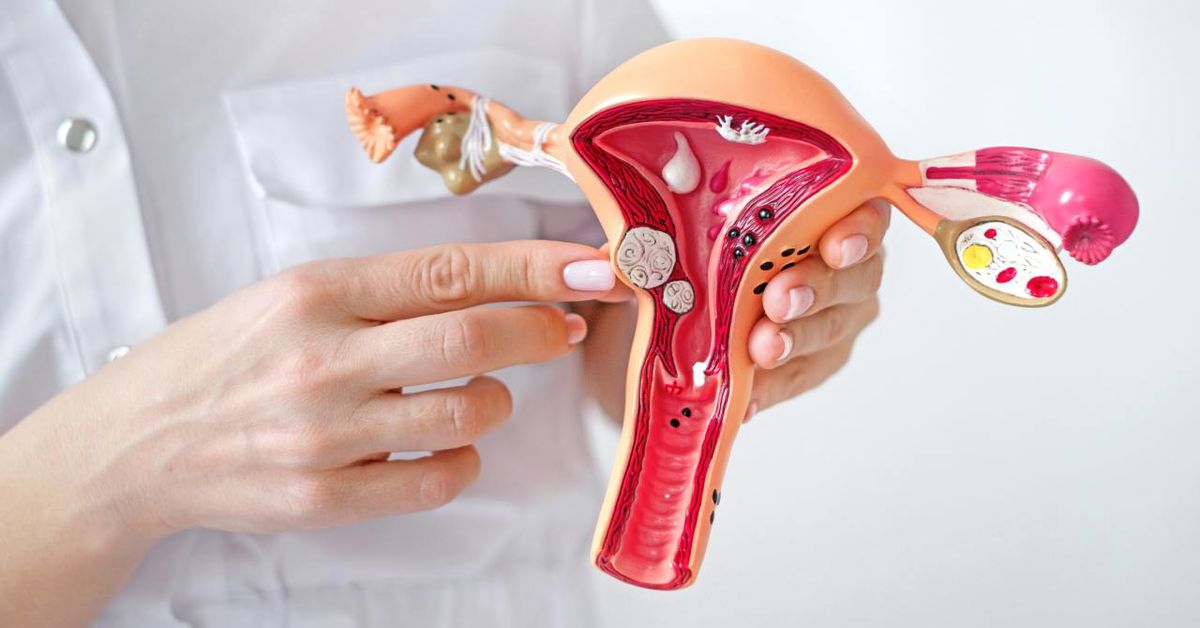
Uterine fibroids can progress without causing symptoms in some women. However, some may experience heavy menstrual bleeding or pelvic pain. The size and location of the fibroids can affect the severity of symptoms. A feeling of pressure in the abdominal area may occur. Some women may experience frequent urination. Regular gynecological checkups are important for early detection.
For many people uterine fibroids They can be controlled with different treatment methods. In some cases, regular follow-up may be sufficient. Small fibroids that do not cause symptoms can be monitored at regular intervals. Medication treatments may be planned for people experiencing heavy bleeding. Interventions aimed at hormonal regulation help reduce some symptoms. Surgical methods may be considered for large fibroids.
Surgical procedures can be planned according to the size and location of the fibroid. Some procedures may be performed to preserve the uterus. In some cases, complete removal of the fibroids may be preferred. Procedures performed using minimally invasive techniques can positively affect the healing process. Regular follow-up examinations can help monitor the post-treatment process. Following expert recommendations is important.
The post-treatment recovery process can vary from person to person. Regular check-ups can help monitor the health progress. Some individuals can resume their daily lives more easily after treatment. Healthy eating and regular lifestyle habits can positively influence the recovery process. A process that progresses under expert supervision can yield more reliable results. Therefore, seeking expert advice regarding symptoms related to women's health can be important.
What is the recovery process like after treatment for uterine fibroids?
The recovery process can vary depending on the treatment method used. Some people can return to their daily lives quickly. Mild pain or fatigue may occur in the first few days. Paying attention to rest can positively affect healing. Following the advice given by the specialist is important. Regular check-ups can help monitor the process.
In the post-operative period, it may be necessary to avoid strenuous activities for a certain period. Some people may experience mild bleeding, which usually subsides quickly. Regular medication use can be planned according to expert advice. Avoiding strenuous activities in the first few weeks may be important. Drinking plenty of fluids can contribute to the healing process. Paying attention to sleep patterns can be supportive of overall health.
In the post-treatment period, hormonal balance may gradually become more regular. Some people experiencing heavy menstrual bleeding may feel relief. The feeling of pressure in the abdominal area may decrease. Daily life comfort may improve over time. Regular exercise can support overall health. Some people may start light walking programs with expert advice. Healthy lifestyle habits can positively influence the healing process.
Regular check-ups can be important for women's health. Continued expert evaluations after treatment can be beneficial. Some individuals may be able to lead more comfortable daily lives in the later stages. Maintaining healthy lifestyle habits can be supportive of overall health. Follow-up examinations can help in the early assessment of possible changes. During the post-treatment period... uterine fibroids Expert advice on this matter is important.