
Symptoms of bladder inflammation include frequent urination, burning, and lower abdominal discomfort. [Applied] treatment of bladder inflammation It quickly brings the infection under control. Treatment is usually done with antibiotics. Drinking plenty of water and paying attention to hygiene speeds up recovery.
In what situations is bladder inflammation treated?
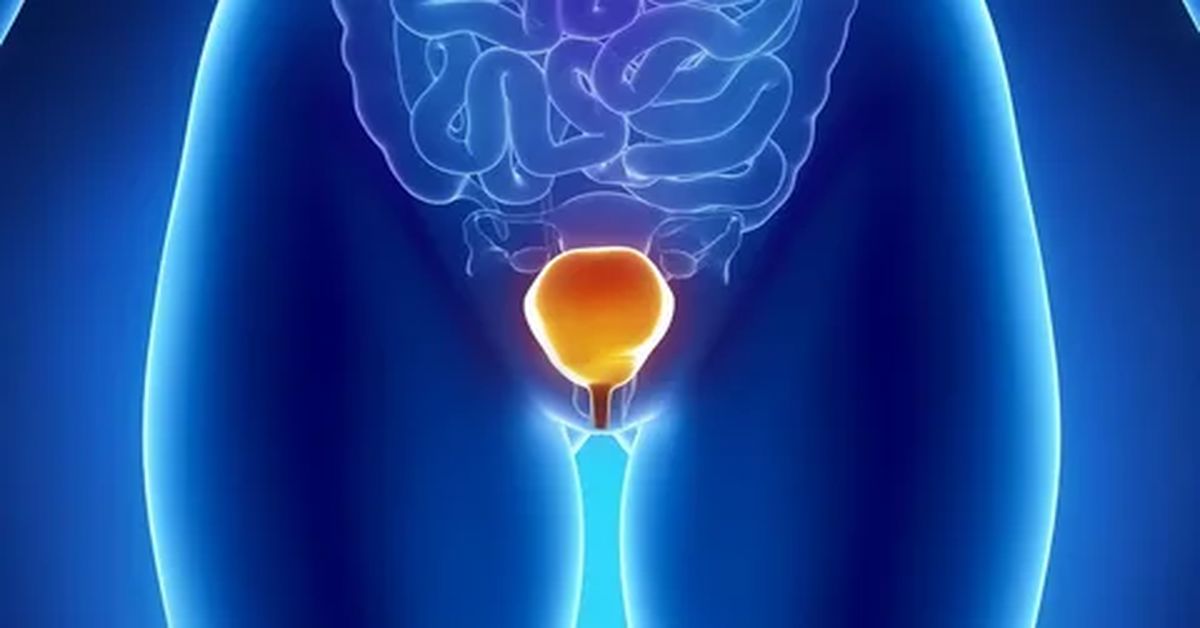
Bladder inflammation is a common infection of the urinary tract caused by bacteria. It is more common in women than men. Symptoms typically include frequent urination, burning during urination, and discomfort in the lower abdomen. These symptoms can make daily life difficult and affect social activities. Early detection is important to prevent the spread of infection.
Treatment of bladder inflammation, Treatment is planned according to the severity of the infection and the patient's overall health condition. In mild cases, short-term antibiotic use is sufficient. In more serious cases, the doctor may recommend long-term and stronger antibiotic treatment.
Drinking plenty of water and paying attention to hygiene during treatment helps to control the infection quickly. In some cases, pain relievers and urinary tract relaxants may also be used.
Recurrent bladder infections are more common in people with weakened immune systems. The risk of recurrence also increases in those with additional health problems such as kidney stones and diabetes. In these individuals, the infection can lead to serious complications. Therefore, early intervention and the correct treatment plan are of great importance.
Regular check-ups are essential to prevent recurrence of the disease. It is necessary to pay attention to urinary tract health and adopt proper hygiene habits. Properly applied... treatment of bladder inflammation It is beneficial. It helps control the infection. It also preserves the patient's quality of life. Most patients return to their normal lives shortly after treatment is completed.
Who is a suitable candidate for Bladder Inflammation Treatment?
Bladder inflammation is a common condition caused by bacteria in the urinary tract. It is more common in women than men and manifests with symptoms such as frequent urination, burning sensation, and lower abdominal pain. This condition can negatively affect daily life and make it difficult for the patient to move around comfortably.
In some individuals, the infection may progress more rapidly. Those with weakened immune systems and those who frequently experience recurrent urinary tract infections are at risk. Elderly individuals and pregnant women also require special attention due to their increased risk of complications.
Treatment of bladder inflammation, This is especially important for these risk groups. Treatment is usually done with antibiotics, which allows the infection to be quickly brought under control. In mild cases, short-term treatment may be sufficient. In severe cases, a long-term treatment plan is applied. Drinking plenty of water and paying attention to hygiene during treatment prevents the infection from recurring.
Regular check-ups and healthy lifestyle habits help protect bladder health. Patient adherence to treatment reduces the risk of complications. Ultimately, properly administered treatment ensures disease control. With early intervention, most patients can return to normal life in a short time.
How is bladder inflammation treated?
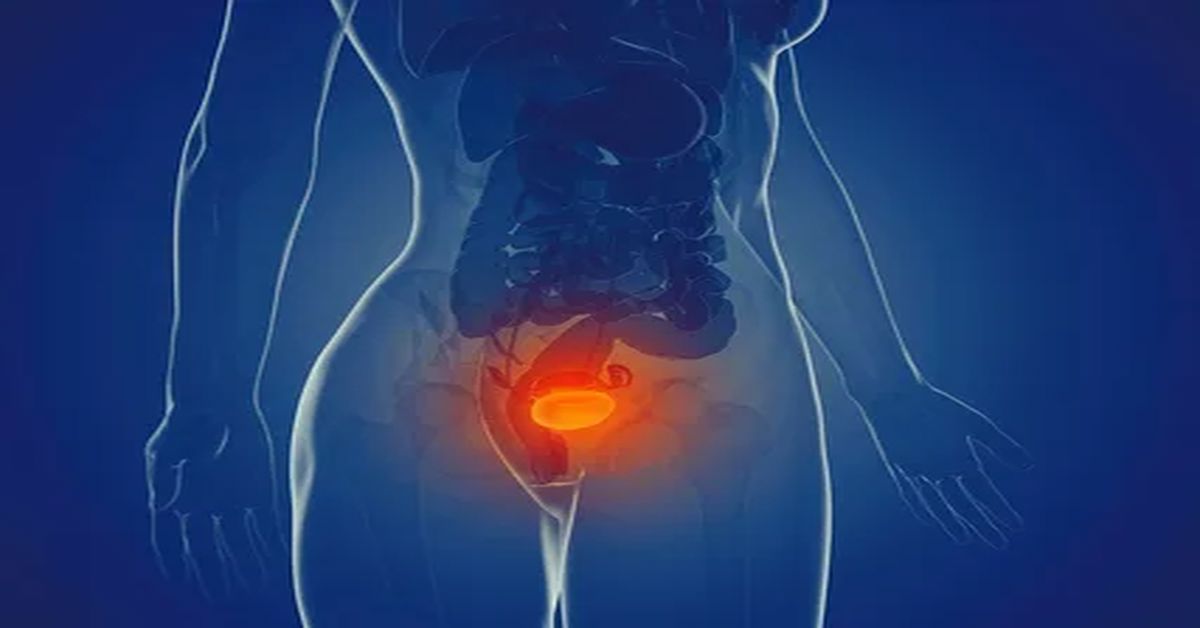
Treatment of bladder inflammation It is applied to control urinary tract infections. Treatment varies depending on the severity of the infection. In mild cases, a short course of antibiotics is sufficient. In severe or recurrent infections, long-term treatment is required. Drinking plenty of water and paying attention to hygiene speeds up recovery.
The doctor will usually perform a urine test. This test identifies the bacteria and indicates the appropriate medication. If necessary, blood tests or ultrasounds will be used to check for other problems. The patient's overall health influences the treatment plan.
Pain relievers or urinary tract relaxants are sometimes recommended for pain and burning. Medications should be used regularly. Incomplete use can lead to a recurrence of the infection. Regular check-ups are important to monitor healing and prevent complications.
Most patients return to normal quickly after treatment is complete. Hygiene and adequate fluid intake prevent recurrence of the infection. A healthy lifestyle and adherence to doctor's recommendations support bladder health. In this way, the infection heals quickly and quality of life is preserved.
What is the recovery process like after treatment for bladder infection?
After treatment is complete, the recovery process requires attention. The antibiotics used during treatment control the infection. However, it may take time for the body to recover. Patients often experience a mild burning sensation or frequent urination for a few days after treatment. This is usually normal and disappears as the body clears the infection.
Drinking plenty of water is important during the recovery process. Fluid intake cleanses the urinary tract and reduces the risk of infection. It is also important to pay attention to hygiene rules. Cleaning after using the toilet and wearing cotton underwear prevents re-infection. A regular and balanced diet strengthens the immune system and helps the body fight infection more quickly.
In some patients, the doctor may recommend additional measures. Pain relievers may be advised if pain or discomfort persists. In cases of recurrent bladder infections, the doctor may develop a treatment plan. Long-term low-dose antibiotic therapy may be used. Regular check-ups are necessary to prevent possible complications.
In conclusion, correctly implemented treatment of bladder inflammation It ensures complete eradication of the infection. It also helps maintain bladder health. Post-treatment hygiene, adequate fluid intake, and lifestyle measures support the patient's rapid return to normal life. This prevents infection recurrence and preserves quality of life.