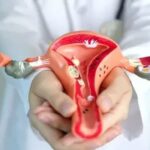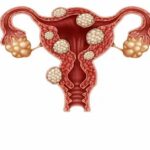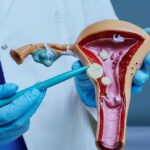

Pelvic pain is a condition that can negatively affect daily life in both women and men. The source of the pain may be muscles, nerves, organs, or hormonal changes, and its type varies from person to person. Physical examination and imaging methods are used in the diagnostic process. In some cases, surgical intervention may be necessary. pelvic pain treatment, It aims to improve the patient's quality of life.
Who is a candidate for pelvic pain treatment?

Pelvic pain can occur for different reasons in women and men. This condition negatively affects quality of life. When it becomes chronic, it can restrict daily activities. The source of the pain can be in various systems such as muscles, connective tissue, nerves, reproductive organs, or urinary tract. Therefore, accurate diagnosis is critical for determining the appropriate treatment plan for the patient.
Individuals experiencing severe and prolonged pain are prioritized for evaluation. Patients whose pain persists despite medication and lifestyle changes are also suitable candidates for treatment.
In some cases, medical reasons such as nerve compression necessitate intervention. In such patients, identifying the source of the pain and treating it with appropriate methods improves their quality of life.
Administered by specialist physicians pelvic pain treatment, Treatment is planned according to the individual needs of the patients. During treatment, medication and, if necessary, surgical methods may be considered together. The goal is to reduce pain, prevent recurrence, and enable the patient to continue their daily life without interruption. Regular follow-up and adherence to lifestyle recommendations are the most important factors in treatment success.
In what situations is pelvic pain treated?
Pelvic pain is a condition that can occur in both women and men for a variety of reasons. The source of the pain may be muscles, connective tissue, nerves, reproductive organs, urinary tract, or hormonal changes. The duration of the pain plays an important role in determining when treatment is needed.
Intervention is necessary, especially if the pain persists for a long time, interferes with daily activities, or reduces quality of life. In this case... pelvic pain treatment It is applicable. In addition, difficulty urinating or having bowel movements increases the need for treatment.
If medication and lifestyle changes cannot control the pain and physical therapy does not provide relief, these individuals are suitable candidates for treatment.
Medical conditions such as endometriosis can cause pelvic pain. Surgical treatment may be necessary if the pain becomes chronic. In this context, the patient's individual situation is evaluated, and a treatment plan is developed using a multidisciplinary approach.
Specialist physicians choose the most appropriate method for the source of the pain and aim to reduce symptoms. This process... pelvic pain treatment It is applied as follows. Regular follow-up and adherence to doctor's recommendations during the treatment process are of great importance for achieving success.
How is Pelvic Pain Treated?
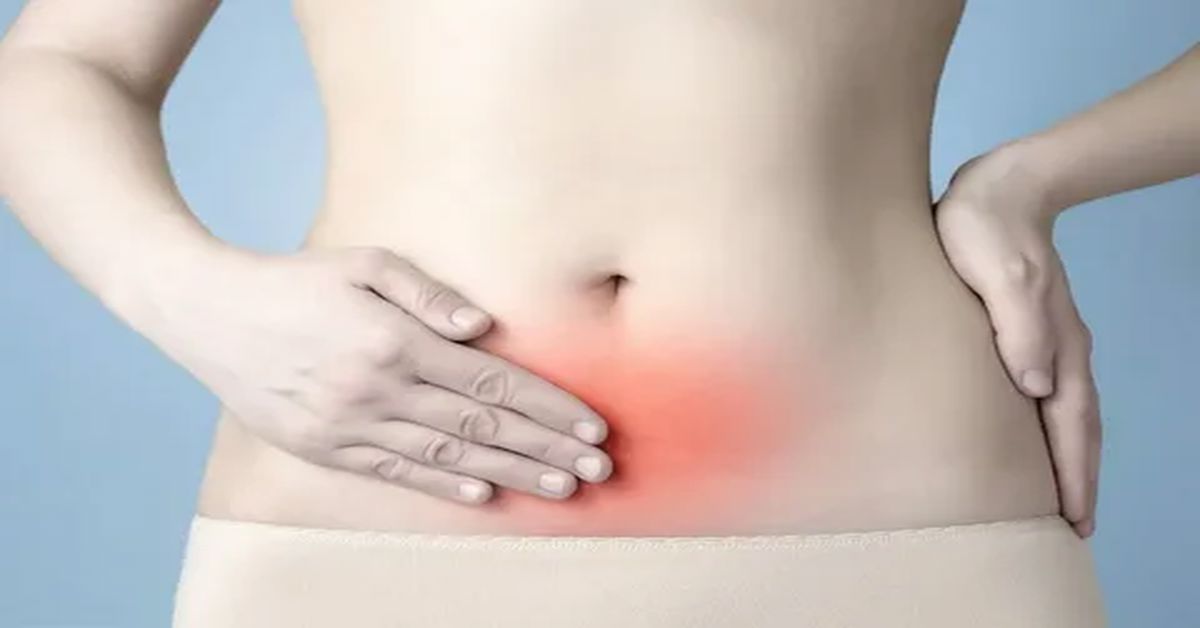
Pelvic pain can occur for different reasons in women and men. This condition negatively affects quality of life. The source of the pain may be various systems such as muscles, nerves, connective tissue, reproductive organs, or urinary tract. First, the cause of the pain is determined. A detailed evaluation is performed through physical examination and, if necessary, methods such as laparoscopy.
After the diagnostic process, a treatment plan is created based on the severity of the patient's symptoms. Initially, medication is usually used; various drugs may be employed to relieve pain. Physiotherapy is recommended, particularly for muscle and connective tissue-related pain, to relax muscles and correct posture.
Sometimes psychological support can also be part of treatment, as chronic pain often affects emotional state. If the conditions causing the pain are serious, surgical intervention may be necessary. In conditions such as endometriosis, surgery reduces symptoms by directly addressing the source of the pain.
All these methods are combined according to the patient's individual needs and applied using a multidisciplinary approach. These procedures are carried out by specialist physicians. pelvic pain treatment, The goal is to reduce the patient's pain. Regular check-ups during the treatment process are critical to the success of the treatment.
What is the recovery process like after pelvic pain treatment?
The recovery process after treatment can vary depending on the patient's age, the source of the pain, and the method used. Mild pain and discomfort are considered normal in the initial post-treatment period, and most patients can return to their daily activities quickly. Doctors generally recommend rest, light exercise, and a suitable diet.
In addition, the healing process is monitored with regular check-ups, and potential complications are detected early. If the source of the pain is surgery, particular attention should be paid to the care of the surgical area. Regular dressing changes and the performance of recommended exercises are important.
If physical therapy or medication has been administered, medications should be used for the recommended duration. Exercise programs should also be maintained regularly. Included in the treatment process for psychological support can help prevent pain recurrence.
Maintaining lifestyle changes and avoiding stress accelerates recovery for patients. Furthermore, these measures prevent the recurrence of pain.
Following all these steps, specialist physicians aim to reduce patients' symptoms. This process... pelvic pain treatment It is applied as follows. The post-treatment process, combined with disciplined follow-up and patient adherence to recommendations, yields the most successful results.