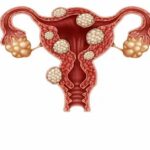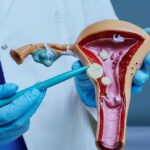
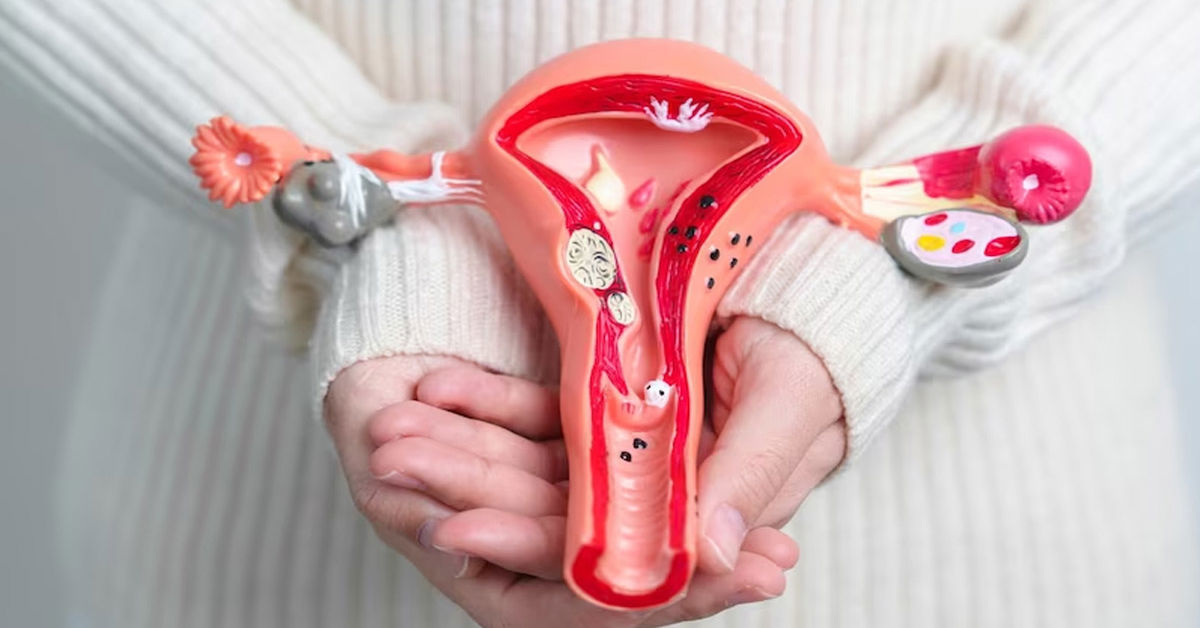
Uterine prolapse occurs in women due to weakening of the pelvic floor muscles. It is a condition in which the uterus shifts downwards from its normal position. This usually develops after childbirth due to muscle relaxation. It can also be caused by factors such as decreased estrogen levels, excess weight, or heavy lifting. Treatment of Uterine Prolapse, Treatment is planned according to the severity of the symptoms and the degree of prolapse. As uterine prolapse progresses, it manifests itself with complaints such as urinary incontinence and lower back pain.
Who is a suitable candidate for uterine prolapse treatment?
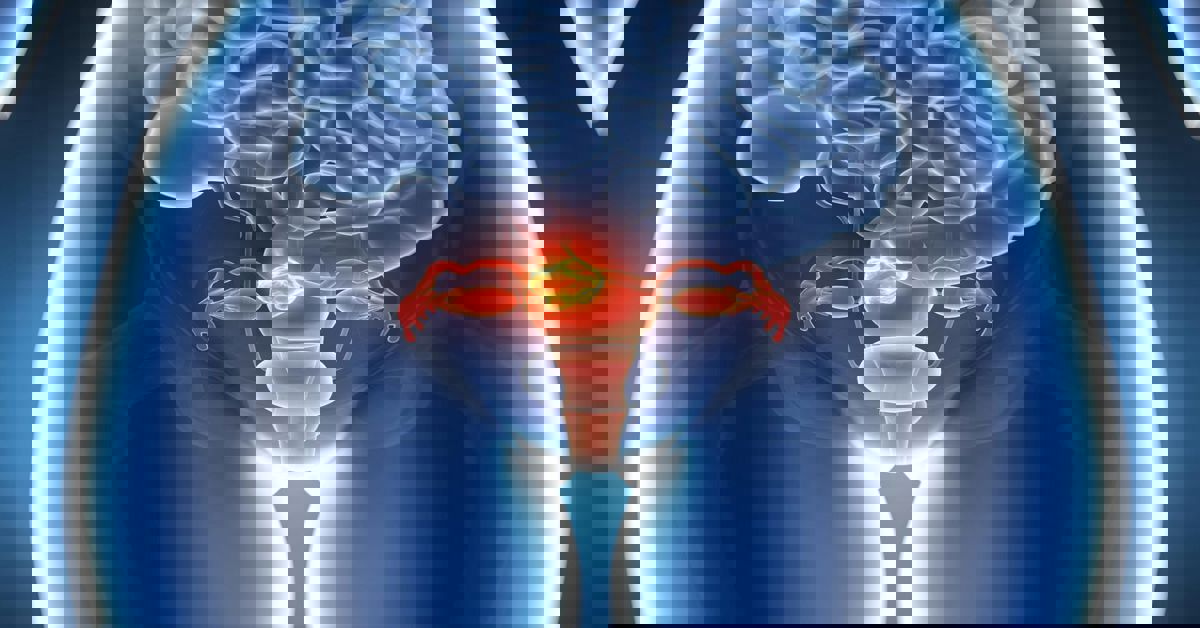
Uterine prolapse occurs when the uterus sags into the vaginal canal due to weakening of the pelvic floor muscles. This condition is commonly seen in women who have had multiple births, are going through menopause, or are engaged in strenuous physical activity. Other risk factors include being overweight, chronic constipation, genetic predisposition, and low estrogen levels. In mild cases, symptoms may go unnoticed. In more advanced cases, discomfort affecting daily life can develop.
Different methods are applied depending on the degree of prolapse, the patient's age, and general health condition. Non-surgical methods are preferred for women with mild uterine prolapse who still plan to have children. Kegel exercises can slow the progression of prolapse by strengthening the pelvic floor muscles. Treatment of Uterine Prolapse, This can also be supported by the use of vaginal support rings. This method provides comfort to the patient and is ideal for those who do not want surgery or are not suitable for surgery.
Surgical treatment is applied to women with severe uterine prolapse. This method is also preferred in patients experiencing urinary incontinence or vaginal fullness. The type of surgery varies depending on the patient's age, plans for having children, and the severity of the prolapse. The uterus can be stabilized with suspensory tissues or, if necessary, completely removed.
In what situations is uterine prolapse treatment used?
Uterine prolapse occurs due to weakening of the pelvic floor muscles. It is a condition in which the uterus shifts downwards from its normal position. This condition is commonly seen in women who have had multiple births, are going through menopause, or are engaged in strenuous physical activity. Excess weight, chronic cough, constipation, and hormonal changes can also trigger uterine prolapse. Symptoms of uterine prolapse include urinary incontinence, vaginal fullness, lower back pain, and difficulty walking. These symptoms can negatively impact daily life over time.
In mild cases, methods such as Kegel exercises and support rings are applied. Non-surgical treatment is possible. However, these methods are generally effective in early stages of prolapse. In advanced cases, surgical intervention is necessary. Surgery may involve repairing the ligaments and muscles supporting the uterus or removing the uterus entirely. The treatment method is determined by considering the patient's overall health condition.
Surgical intervention is necessary for women experiencing urinary incontinence or discomfort during sexual intercourse. It is also performed in patients who experience a sensation of tissue protruding from the vagina or a constant feeling of pressure. Treatment of Uterine Prolapse, It is applied when the condition significantly reduces the quality of life. It is preferred when it cannot be controlled by other methods.
In conclusion, treatment is planned according to the degree of sagging and the patient's complaints. With early diagnosis and the appropriate treatment option, both physical relief is achieved and quality of life is significantly improved.
What are the treatment methods for uterine prolapse?
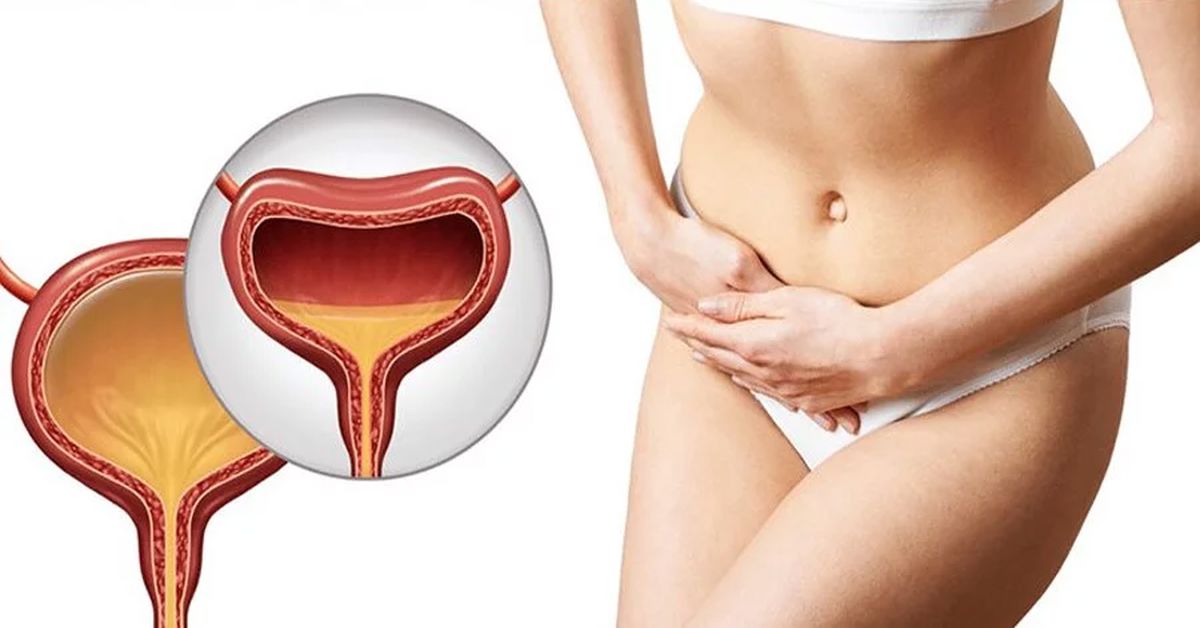
Uterine prolapse occurs when the uterus shifts towards the vaginal canal due to weakening of the pelvic floor muscles. This is a problem that can cause discomfort, a feeling of fullness, and urinary incontinence in women. The treatment plan is determined according to the degree of prolapse, the patient's age, and overall health. The goal is to both alleviate symptoms and improve quality of life.
There are non-surgical and surgical methods for treating uterine prolapse. In mild cases, Kegel exercises, which strengthen the pelvic floor muscles, are quite effective. When performed regularly, these exercises can prevent the prolapse from progressing. Treatment of Uterine Prolapse, In some cases, it can be supported with support rings. These rings provide relief by maintaining the position of the uterus. This method is preferred especially in women who are not suitable for surgery or who are planning to have children.
Surgical interventions are performed for moderate to severe prolapse. In these operations, the uterus is returned to its normal position. In some cases, it may be completely removed. These surgeries, performed vaginally, offer a shorter recovery time thanks to minimally invasive techniques.
Lifestyle changes are crucial after treatment. Controlling excess weight, avoiding heavy lifting, and preventing constipation reduce pressure on the pelvic floor. Additionally, regular exercise and adopting correct posture habits support both treatment success and long-term health.
What is the recovery process like after uterine prolapse treatment?
The recovery process after treatment for uterine prolapse varies depending on the method used and the patient's overall health. With non-surgical treatments, a quick return to daily life is usually possible. It is important for patients using pessaries to have regular check-ups with their doctor. This is crucial to prevent infections or irritation. Additionally, regularly performing exercises that strengthen the pelvic floor muscles enhances the effectiveness of the treatment and reduces the risk of recurrence.
Following surgery, patients are advised to rest for a few weeks. Heavy lifting should be avoided to promote healing of the surgical site, and constipation should be prevented. Following the medications and exercise programs recommended by the doctor during this period will accelerate recovery and reduce the risk of complications.
Mild pain, swelling, or fatigue may occur in the first few weeks after surgery. This is considered normal. However, these symptoms will decrease over time, and the patient can quickly return to daily activities. Regular check-ups will assess the condition of the vaginal support structures and muscle strength.
In conclusion, lifestyle adjustments are crucial for a successful recovery. Following doctor's recommendations and continuing pelvic floor exercises are extremely important. In this way... Treatment of Uterine Prolapse It provides lasting relief in the long term. It also leads to a significant improvement in quality of life.