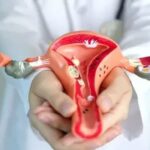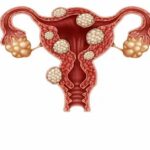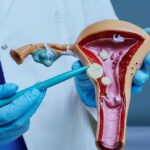
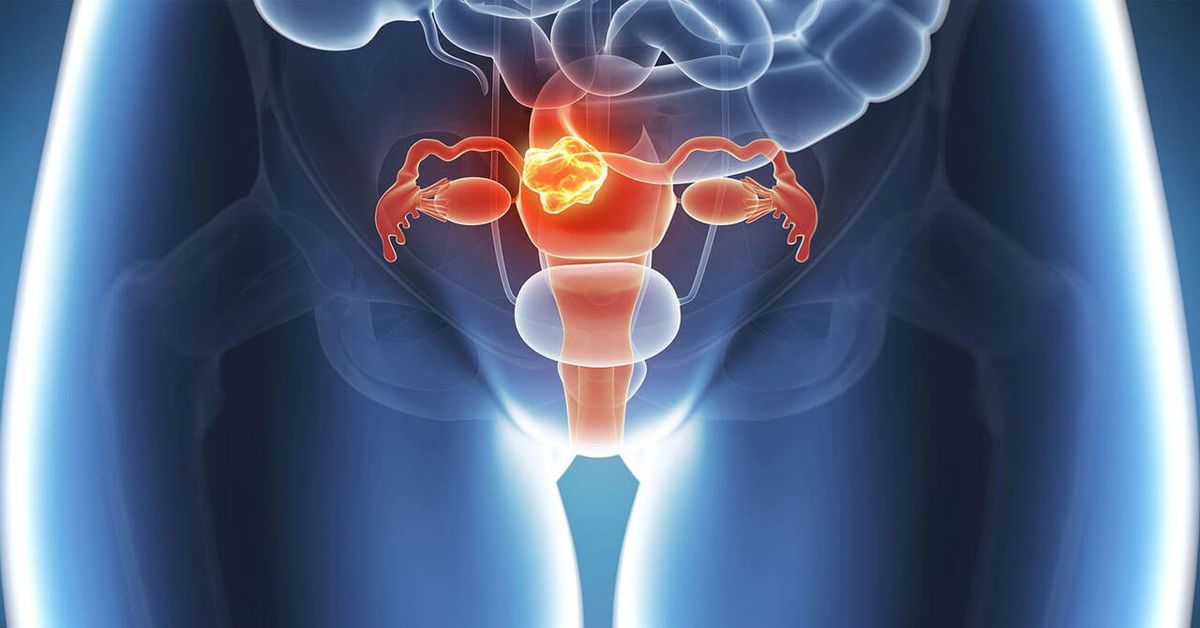
Rahim ağzında oluşan bazı değişiklikler tedavi gerektirebilir. Bazı kişilerde akıntı ve kanama görülebilir. Uzun süren şikayetlerde uzman değerlendirmesi önemlidir. Rahim ağzı yarası ameliyatı bazı durumlarda uygulanabilir. İşlem, hasarlı dokunun temizlenmesini hedefleyebilir. Tedavi yöntemi kişinin durumuna göre belirlenir. Bazı işlemler kısa sürede tamamlanabilir. İyileşme süreci kişiden kişiye değişebilir.
Who is a suitable candidate for cervical ulcer surgery?
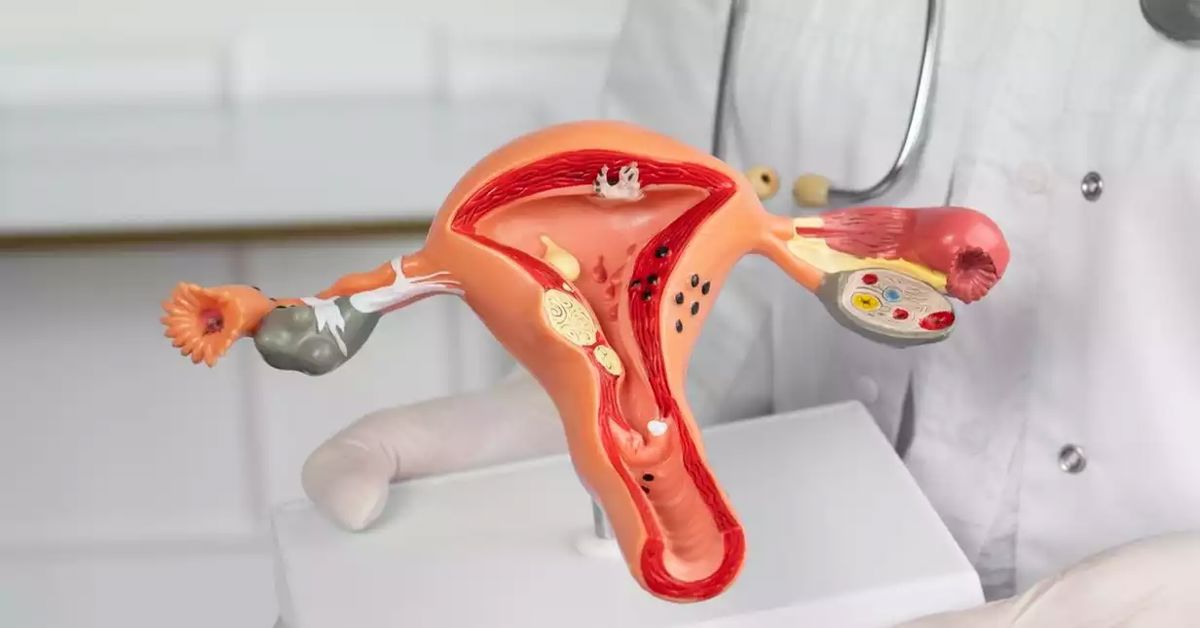
Rahim ağzında oluşan bazı hücresel değişiklikler ve yaralar kadın sağlığını etkileyebilir. Bazı kişilerde akıntı, ilişki sonrası kanama veya kasık ağrısı görülebilir. Bu şikayetler uzun süre devam ederse detaylı değerlendirme gerekebilir. Jinekolojik muayene sırasında rahim ağzındaki değişiklikler fark edilebilir. Gerekli durumlarda smear testi ve farklı incelemeler yapılabilir.
Şikayetleri devam eden kişilerde cervical lesion surgery değerlendirilebilir. Özellikle sık enfeksiyon yaşayan kişilerde işlem planlanabilir. Bazı hastalarda sürekli akıntı ve kanama yaşam kalitesini etkileyebilir. Rahim ağzındaki hasarlı dokunun temizlenmesi amaçlanabilir. Tedavi yöntemi yaranın boyutuna ve yapısına göre değişebilir. Bazı işlemler kısa sürede tamamlanabilir.
Her rahim ağzı yarası ameliyat gerektirmez. Bazı kişilerde düzenli takip yeterli olabilir. Hafif şikayetlerde ilaç tedavisi tercih edilebilir. Ancak uzun süren veya tekrar eden sorunlarda farklı yöntemler değerlendirilebilir. İşlem öncesinde enfeksiyon durumu dikkatle incelenir. Hastanın genel sağlık durumu da önem taşır. Tedavi planı uzman hekim tarafından belirlenmelidir.
Şikayetler yaşayan kişilerde cervical lesion surgery yaşamın desteklenmesine yardımcı olur. İşlem sonrası dönemde doktor önerilerine dikkat edilmesi gerekir. Bazı kişilerde kısa süreli hassasiyet oluşabilir. Kontrollerin düzenli yapılması önem taşır. İyileşme süreci kişiden kişiye farklı ilerleyebilir. Hijyen kurallarına dikkat edilmesi önerilebilir.
Rahim Ağzı Yarası Ameliyatı Hangi Durumlarda Kullanılır?
Rahim ağzında oluşan yaralar bazı kadınlarda uzun süre belirti vermeyebilir. Bazı kişilerde akıntı, ilişki sonrası kanama veya kasık ağrısı görülebilir. Bu şikayetler günlük yaşamı olumsuz etkileyebilir. Jinekolojik muayene sırasında rahim ağzındaki değişiklikler fark edilebilir. Gerekli durumlarda smear testi ve farklı incelemeler yapılabilir.
Bazı rahim ağzı yaraları ilaç tedavisi ile kontrol altına alınabilir. Ancak bazı durumlarda şikayetler uzun süre devam edebilir. Tekrarlayan enfeksiyonlar yaşam kalitesini etkileyebilir. Sürekli akıntı ve kanama görülen kişilerde farklı yöntemler değerlendirilebilir. Rahim ağzındaki hasarlı dokunun yaygın olması da tedavi kararını etkileyebilir.
İlaç tedavisine rağmen devam eden şikayetlerde cervical lesion surgery kullanılabilir. Özellikle sık enfeksiyon yaşayan kişilerde bu yöntem değerlendirilebilir. Rahim ağzındaki hasarlı dokunun temizlenmesi amaçlanabilir. Bazı durumlarda yakma veya dondurma işlemleri tercih edilebilir. İşlem yöntemi yaranın yapısına göre değişebilir.
İşlem sonrası süreç genellikle düzenli takip gerektirir. Bazı kişilerde kısa süreli hassasiyet görülebilir. Doktor önerilerine dikkat edilmesi önemlidir. Hijyen kurallarına uyulması iyileşme sürecini destekleyebilir. Kontrollerin aksatılmaması gerekir. Uzun süren ağrı veya kanama durumunda uzman değerlendirmesi yapılmalıdır. Tedavi sonrası süreç kişiden kişiye farklı ilerleyebilir.
How is cervical lesion surgery performed?
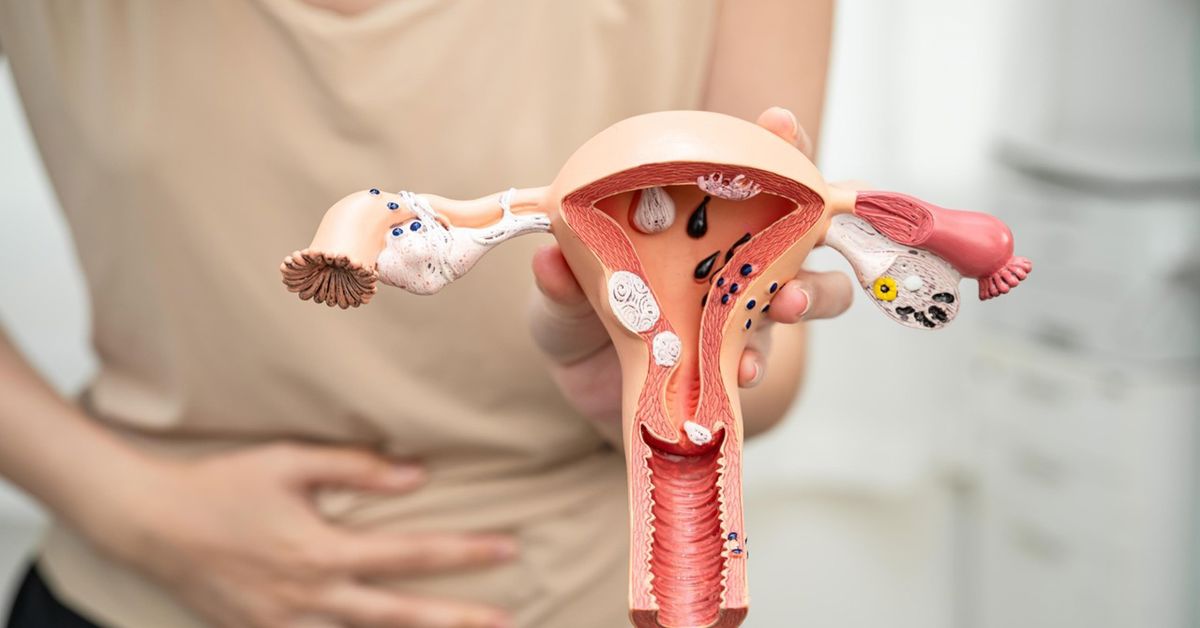
Rahim ağzında oluşan yaralar bazı kadınlarda akıntı, kanama ve rahatsızlık hissine neden olabilir. Bu durum uzun süre devam ettiğinde detaylı değerlendirme gerekebilir. Jinekolojik muayene sırasında rahim ağzındaki değişiklikler incelenir. Gerekli durumlarda smear testi ve farklı incelemeler yapılabilir. Tedavi planı yaranın boyutuna ve yapısına göre belirlenir. Bazı kişilerde ilaç tedavisi yeterli olabilir.
In some cases cervical lesion surgery kısa süreli işlemlerle uygulanabilir. İşlem sırasında hasarlı dokunun temizlenmesi hedeflenir. Yakma, dondurma veya farklı cerrahi yöntemler kullanılabilir. Kullanılacak yöntem yaranın yapısına göre belirlenir. İşlem genellikle kısa sürede tamamlanabilir. Bazı uygulamalar lokal anestezi altında yapılabilir.
İşlem sonrası süreç genellikle dikkatli takip gerektirir. İlk günlerde hafif akıntı veya hassasiyet görülebilir. Doktor önerilerine uyulması önemlidir. Hijyen kurallarına dikkat edilmesi gerekebilir. Bazı kişilerde kısa süreli dinlenme önerilebilir. Kontrollerin düzenli yapılması iyileşme sürecinin takip edilmesine yardımcı olur.
Tedavi sonrası dönemde düzenli doktor kontrolü önem taşır. Bazı kişilerde iyileşme süreci daha hızlı ilerleyebilir. Doktorun önerdiği süre boyunca dikkatli olunması gerekir. Özellikle enfeksiyon riskine karşı hijyen kurallarına uyulmalıdır. Uzun süren şikayetlerde uzman değerlendirmesi geciktirilmemelidir.
What is the recovery process like after cervical lesion surgery?
Rahim ağzı yarası tedavisi sonrası iyileşme süreci kişiden kişiye değişebilir. İşlem sonrası ilk günlerde hafif akıntı ve hassasiyet görülebilir. Bu durum çoğu zaman normal kabul edilir. Bazı kişilerde kısa süreli kasık ağrısı oluşabilir. Doktorun verdiği önerilere dikkat edilmesi önem taşır. Hijyen kurallarına uyulması iyileşme sürecini destekleyebilir.
İşlem sonrası dönemde ağır aktivitelerden kaçınılması önerilebilir. Özellikle ilk günlerde vücudu zorlayacak hareketlerden uzak durulmalıdır. Bazı kişilerde belirli süre ilişki kısıtlaması önerilebilir. Kullanılan yönteme göre iyileşme süresi değişebilir. Hafif kanama veya lekelenme görülebilir. Ancak uzun süren şikayetlerde uzman değerlendirmesi gerekir.
Beslenme düzeni ve genel sağlık durumu da iyileşme üzerinde etkili olabilir. Yeterli dinlenme vücudun toparlanmasına katkı sağlayabilir. Düzenli uyku ve dengeli beslenme önem taşır. Sigara kullanımı bazı kişilerde iyileşmeyi olumsuz etkileyebilir. Bu nedenle yaşam tarzı düzenlemeleri önerilebilir. Uzun süren ağrı, kötü kokulu akıntı veya yoğun kanama durumunda vakit kaybetmeden uzman görüşü alınmalıdır.
İyileşme döneminde doktor önerilerine uyulması gerekir. Hijyen kurallarına dikkat edilmesi enfeksiyon riskinin azaltılmasına yardımcı olabilir. Düzenli kontroller sayesinde iyileşme süreci daha sağlıklı takip edilebilir. Bazı kişilerde iyileşme süreci daha uzun sürebilir. Özellikle cervical lesion surgery sonrası planlanan takiplerin aksatılmaması önemlidir. Erken değerlendirme ve doğru bakım yaşam kalitesinin korunmasına katkı sağlayabilir.