It is a comprehensive process created by considering the type, size, and spread of the tumor, as well as the patient's overall health condition. Ovarian tumor treatment. Early diagnosis directly affects the success of treatment. Therefore, regular gynecological checkups are of great importance, especially for women at risk. The first step in treatment is usually surgery. Surgical intervention aims to completely remove the tumor.
Who is a suitable candidate for ovarian tumor treatment?
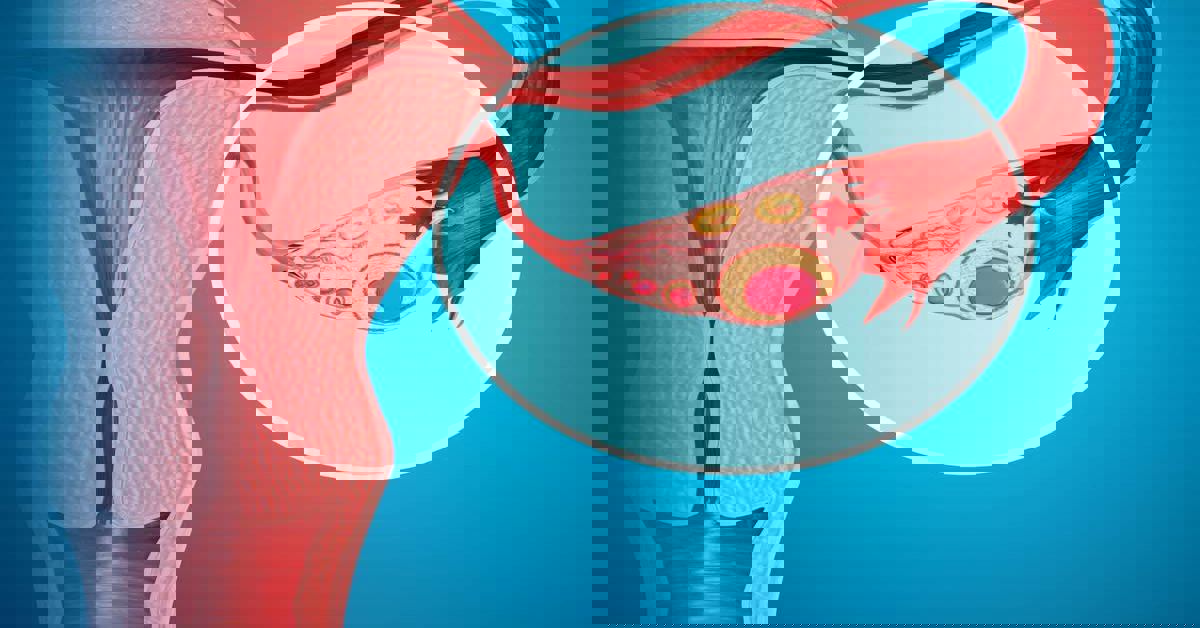
Ovarian tumors are a significant health problem that can occur in all age groups. Sometimes these tumors cause symptoms, while other times they progress silently for a long time. If you experience symptoms such as abdominal pain, swelling, loss of appetite, or irregular periods, you should consult a specialist. Early diagnosis both facilitates the treatment process and increases the success rate.
For patients with moderate to advanced stage symptoms ovarian tumor treatment This would be an appropriate approach. Fluid accumulation in the abdomen, growing masses, and significant changes in blood tests indicate the need for treatment. At this stage, imaging methods and a detailed examination are performed. Based on the evaluation, a treatment plan is created according to the patient's general condition, age, and the extent of tumor spread.
The decision regarding treatment depends on the patient's resilience as well as the nature of the tumor. In young women, surgical options that preserve the reproductive organs may be considered. In postmenopausal patients, however, more extensive surgical techniques are preferred due to the higher risk of metastasis. While some patients tolerate surgery comfortably, others may require additional supportive treatments. Therefore, the process is planned individually for each patient.
In patients with advanced tumor spread or tumor recurrence ovarian tumor treatment This requires a more comprehensive approach. In these patients, chemotherapy or hormone therapy may be applied in addition to surgery. The treatment plan aims to preserve the patient's quality of life and control the disease. Regular follow-up increases the effectiveness of the treatment and allows for early detection of possible changes. Thus, the process progresses more safely and successfully.
In what situations is ovarian tumor treatment used?
Ovarian tumors are a significant health problem that women can encounter at different ages. These tumors sometimes progress slowly, while other times they grow rapidly and cause symptoms. Common symptoms include abdominal pain, bloating, loss of appetite, irregular periods, and fatigue. Therefore, it is important to consult a specialist when symptoms appear. Early diagnosis directly impacts treatment success.
The tumor's structure, size, and extent of spread are key factors in determining treatment. Surgical options are often sufficient for benign tumors. However, malignant tumors require a more comprehensive approach. The patient's age, overall health, and the tissues affected by the tumor shape the treatment plan.
In patients with moderate or advanced stage findings ovarian tumor treatment Treatment is applied. The need for treatment increases when there are rapidly growing masses, fluid accumulation in the abdomen, and changes in blood tests. At this stage, imaging techniques, biopsy, and blood values are evaluated together. Treatment aims to stop the progression of the tumor and preserve the patient's quality of life.
In addition, in some patients, the tumor may recur or spread to other tissues. In these cases, treatment becomes more comprehensive. Chemotherapy or hormone therapy may be applied in addition to surgical intervention. The choice of treatment depends on the patient's immune system and the tumor's response. Follow-up appointments under the supervision of a doctor are crucial for the success of the treatment process. Regular check-ups allow for the early detection of possible changes and ensure a safer treatment outcome.
Each ovarian tumor has different characteristics. Therefore, a treatment plan tailored to each patient is necessary. With the right approach and regular follow-up, long-term results are more successful.
What are the treatment methods for ovarian tumors?
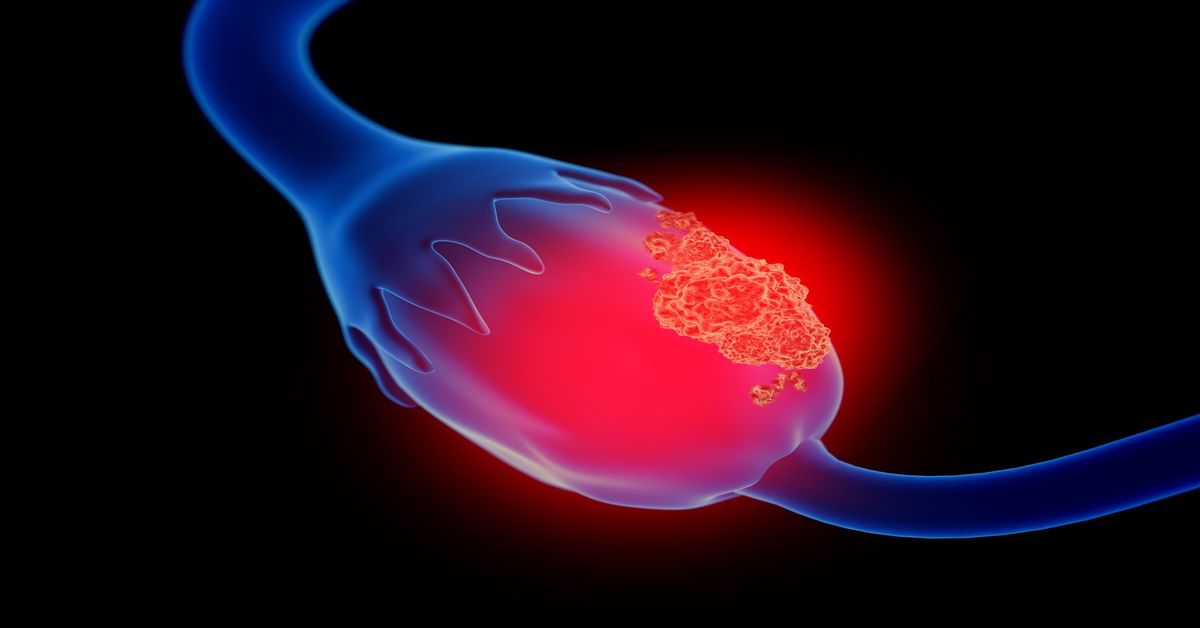
The diagnosis and treatment process for tumors in women requires careful planning. This planning involves evaluating the tumor's structure, extent of spread, and the patient's overall condition. The procedures applied during these stages... ovarian tumor treatment, Treatment is tailored to the individual patient. The goal is to control the tumor and preserve the patient's quality of life.
Surgery is the primary treatment option. The goal of surgery is the complete removal of the tumor. While some patients only require the removal of the tumorous portion, others may require a more extensive surgical procedure. Clear surgical margins are crucial for planning subsequent treatment. The patient's age and overall health also determine which surgical technique will be used.
Chemotherapy is among the methods that complement surgery. Chemotherapy aims to stop or destroy the growth of cancer cells. It is an effective option, especially in advanced-stage tumors or those with a high risk of metastasis. Treatment cycles are planned according to the patient's tolerance. Regular check-ups during chemotherapy help manage side effects.
Hormone therapy may be used in some patients. This method aims to suppress hormone-sensitive tumors. It yields quite effective results in tumors that are hormone receptor-positive. Radiotherapy, on the other hand, is preferred in more limited cases. Radiation therapy is applied to control remaining cells. It may not be necessary for every patient, but it contributes to treatment in selected cases.
The success of the treatment process is enhanced by regular follow-up and personalized planning. The effectiveness of each method varies depending on the patient's condition. When the appropriate method is chosen, the chance of recovery increases and the process progresses more safely. Regular check-ups are an important step for the continuity of treatment and the patient's quality of life.
What is the recovery process like after ovarian tumor treatment?
The post-tumor treatment process is carefully planned to ensure the patient recovers and can safely return to daily life. After surgery or other treatments are completed, the body begins to recover. Fatigue, pain, and tenderness may be experienced in the first few days. Rest and regular doctor check-ups are crucial during this period. A regular follow-up program is established according to the patient's recovery rate.
Some patients may require continued chemotherapy or hormone therapy after treatment. These treatments aim to reduce the risk of tumor recurrence. Side effects vary from person to person. Nausea, fatigue, and loss of appetite may occur. Therefore, nutritional support and water intake are important. Light walks support both mood and physical recovery.
Moral and psychological support also plays an important role in the treatment process. Patients may have difficulty coping with their anxieties. Therefore, family support, regular sleep, and professional help strengthen the recovery process. Follow-up appointments should be held regularly. Imaging and blood tests allow for early detection of possible changes. Thus, the treatment plan can be updated quickly when necessary.
In the final stage, the patient's lifestyle is reshaped. Healthy eating, light exercise, and regular check-ups are key steps in this phase. Once this process is complete, the improvement becomes more pronounced. The effect of the treatment becomes clearer, and ovarian tumor treatment This results in an outcome that improves the patient's quality of life.