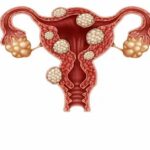
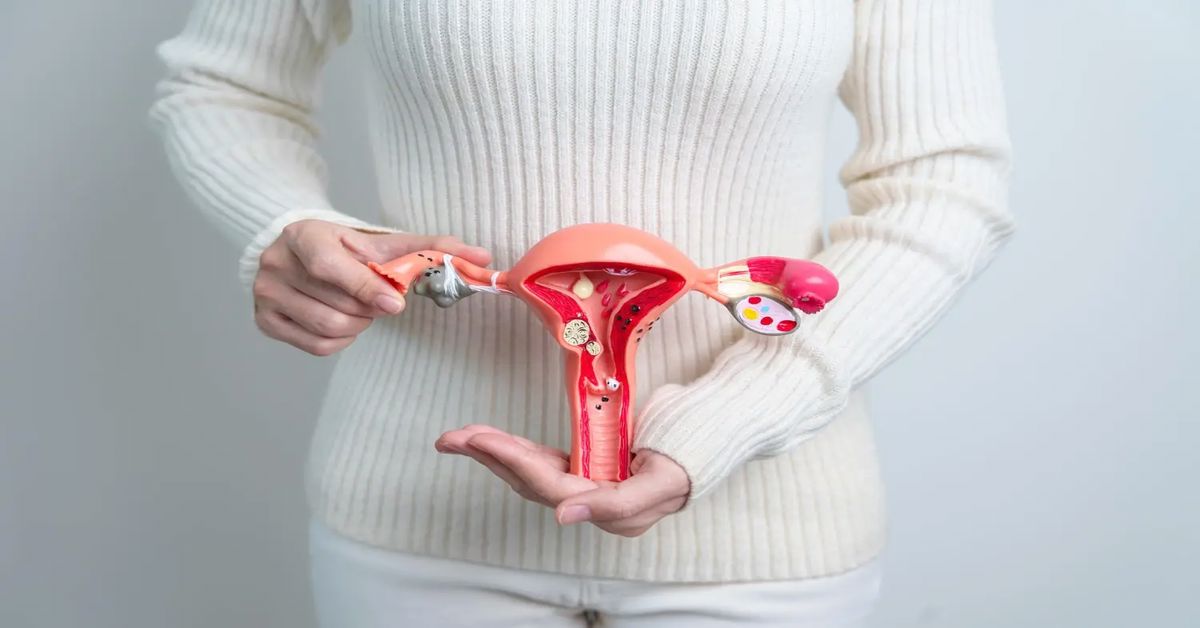
Vaginal discharge is fluid naturally produced by the vagina and is an important part of reproductive health. This discharge helps the vagina cleanse itself and stay moist. It also provides protection against infections. Its color, odor, and amount can vary depending on many factors, including hormone levels, menstrual cycle, and daily activities. These variations, What is vaginal discharge? It makes it easier to understand the answer to the question.
Who experiences vaginal discharge?
Vaginal discharge is a natural part of the female reproductive system and can occur at any age. The characteristics of vaginal discharge change during childhood, adolescence, adulthood, and menopause. This change is directly related to hormones, lifestyle, and the body's defense mechanisms. Normal vaginal discharge is an important indicator that the body is protecting itself.
In young girls entering puberty vaginal discharge It is common. This period is a time when hormones become active and the body adapts to a new routine. The discharge is usually white or clear and odorless. This is normal. It may increase intermittently and vary depending on the timing of the menstrual cycle. Stress, dietary changes, and even daily activity can affect the amount of discharge.
In adult women, vaginal discharge varies throughout the menstrual cycle. It may be heavier and more slippery during ovulation, a natural consequence of the body's reproductive functions. Discharge can also increase during pregnancy due to hormonal changes. However, any foul odor, itching, burning, or pain should raise suspicion of infection. These symptoms require a specialist's examination.
In women approaching menopause, however... vaginal discharge It may decrease. This is due to a drop in the estrogen hormone. Some women may experience dryness and a burning sensation. The consistency and amount of discharge change during this period. However, any signs of infection should not be ignored. It is important to monitor the nature of discharge in all age groups. This monitoring allows for early detection of a potential health problem.
In conclusion, vaginal discharge can occur at any stage of a woman's life. Knowing the normal limits and monitoring changes is important for maintaining health. With regular checkups, accurate information, and early assessment, the process can be managed safely.
What are the causes of vaginal discharge?
Vaginal discharge is a natural defense mechanism of the female body. It helps keep the vagina clean, maintains moisture balance, and prevents infections. The color, odor, and amount of discharge vary from person to person. This variation is often due to hormonal processes and is considered normal.
Changes in hormone levels are the primary cause of vaginal discharge. Puberty, ovulation, pregnancy, and menopause are the periods when these changes are most intense. Additionally, birth control methods, stress, lack of sleep, and diet can also affect the consistency of the discharge. Most of these conditions are natural and temporary. An increase in the thickness or consistency of the discharge is not always a sign of illness.
In some cases vaginal discharge These symptoms occur as a result of infections. Fungal infections can cause a white, thick, and itchy discharge. Bacterial infections result in a gray or yellow, foul-smelling discharge. Sexually transmitted diseases may have additional symptoms such as burning, pain, and discoloration. These symptoms should be taken seriously, and a specialist should be consulted. Untreated infections can progress and lead to more serious problems.
Hygiene habits are also important factors affecting vaginal discharge. Frequent underwear changes, choosing appropriate fabrics, and using chemical-free cleaning products positively influence the composition of the discharge. Excessive cleaning and soap use can lead to irritation. Vaginal douching also disrupts the vagina's natural balance, causing similar problems. Therefore, proper hygiene practices are important.
In conclusion, the cause of vaginal discharge is not always the same and can vary depending on many factors. Seeking professional advice is the best approach when there is a noticeable difference in color, odor, and consistency. Early assessment facilitates treatment and reduces potential risks.
Vaginal Discharge Treatment Methods
It is an important part of women's reproductive health. vaginal discharge. Therefore, the nature of the discharge plays a major role in determining treatment methods. The color, odor, and amount of discharge can vary depending on hormonal balances, lifestyle, and possible infections. Accurate assessment at this stage forms the basis of treatment. By examining the discharge's structure, the appropriate approach is determined, thus making the treatment process personalized for each individual.
The first step in treatment is determining the cause of the discharge. If a fungal infection is suspected, antifungal medications are used. These medications usually take effect quickly. For bacterial infections, antibiotic treatment is preferred. Culture tests can be performed to determine the correct medication. These tests clearly reveal the type of infection and make treatment more effective.
Different methods are used for vaginal discharge related to hormonal changes. Decreased discharge and dryness are particularly common in women during menopause. In these cases, topical estrogen therapy provides relief. During adolescence, vaginal discharge is mostly a result of natural changes and does not require treatment. However, in cases that persist or cause discomfort, expert consultation is important.
Hygiene habits are an integral part of the treatment process. Soaps containing chemicals, perfumed products, and vaginal douches can increase discharge. Therefore, natural products should be preferred, and cleansing should be done in a balanced way. Using cotton underwear and changing it regularly also supports healing. Regular check-ups after treatment are important to prevent the discharge from recurring.
In conclusion, treatment progresses rapidly when the cause of the discharge is correctly identified. With appropriate medications, lifestyle adjustments, and proper hygiene habits, the discharge can be controlled. Women's awareness of their own bodies and monitoring changes increases treatment success. Seeking professional help when needed is the best approach.
Vaginal Discharge Treatment and Post-Treatment Process
After the treatment for vaginal discharge is completed, the process is carefully managed. This period is important both for continued healing and for reducing the risk of recurrence. When treatment ends, the body's balance is restored. However, it is normal for some sensitivities to persist during this period. Patients are generally advised to attend regular check-up appointments for a few weeks. These check-ups are important to understand whether healing is progressing healthily.
Maintaining good hygiene habits is crucial during the post-treatment period. Avoiding products containing chemicals supports healing. Wearing cotton underwear and avoiding excessive cleaning also has the same effect. Practices that disrupt the natural balance of the vaginal area can create problems and worsen post-treatment symptoms. Therefore, it is important to adhere to the cleaning routine recommended by your doctor. Additionally, dietary habits and water intake contribute to the rebalancing process.
Some patients may experience mild discharge after treatment. This is usually part of the body's healing process. However, if a foul odor, burning, itching, or discoloration is noticed, re-evaluation is necessary. These symptoms may indicate a possible infection. Early intervention with a doctor's check-up ensures a safe course of treatment. Regular follow-up reduces the risk of recurrence and preserves the patient's quality of life.
In the final stage, once the treatment process is complete, patients begin to understand their own bodies better. Monitoring changes in the vaginal area allows for early detection of potential risks. The knowledge and habits acquired during this process create a healthier routine in the future. All these stages contribute to daily life. What is vaginal discharge? This more clearly demonstrates the importance of the answer to this question. As women's body awareness increases, the post-treatment process is completed more safely and consciously.