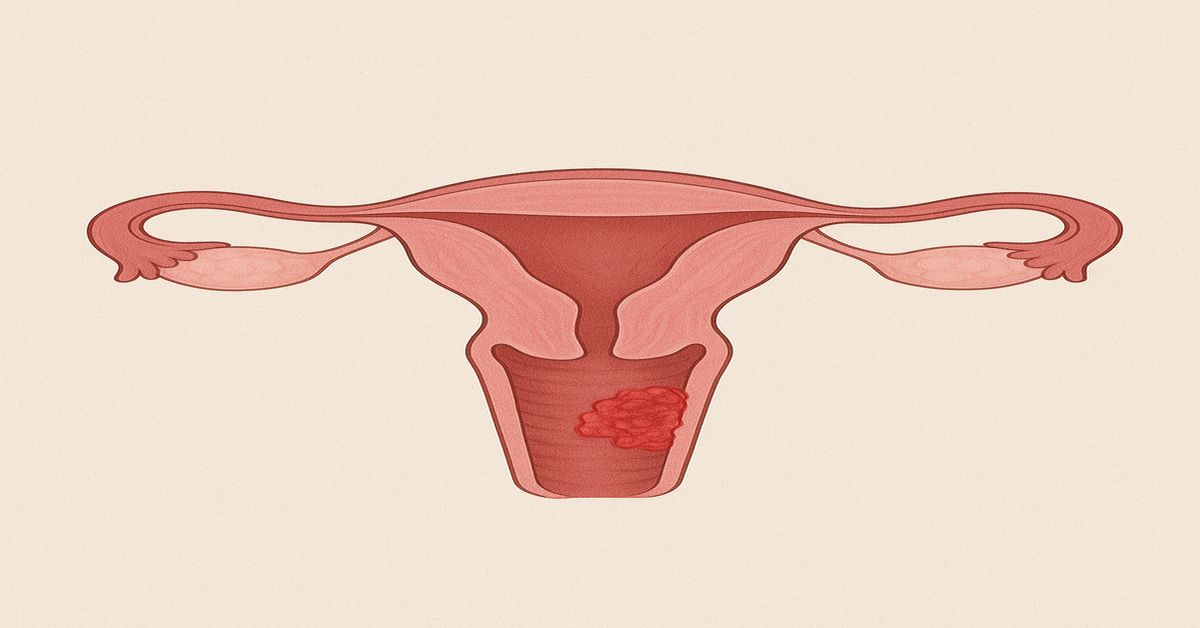
It is a rare type of gynecological cancer that arises from the uncontrolled proliferation of cells in the vaginal tissue. The treatment process is planned according to the stage of the disease, the location of the tumor, the cell type, and the patient's overall health condition. Early diagnosis, vaginal cancer treatment Regular gynecological checkups are of great importance as they significantly increase the chances of success.
Who is a suitable candidate for vaginal cancer treatment?

Vaginal cancer is easier to manage when diagnosed early. The stage of the tumor, cell type, and the patient's overall condition are thoroughly evaluated to determine suitability for treatment. Because the disease sometimes progresses slowly, regular women's health checkups are important. The initial assessment after diagnosis determines the direction of the treatment process.
Patients diagnosed in the early stages generally respond better to treatment. At this stage, the tumor is confined, and intervention is more controlled. Methods such as surgery, radiotherapy, or chemotherapy are chosen on a case-by-case basis. Suitable candidates are identified during evaluations at this stage. Vaginal cancer treatment This is planned for these candidates. The patient's age, comorbidities, and the location of the tumor play an important role in the selection process. The goal is to halt the disease while preserving quality of life.
In patients with advanced disease, the process can be more complex. If the tumor has spread to surrounding tissues, treatment options expand. Radiotherapy and chemotherapy are more frequently preferred in these patients. In some cases, treatment is aimed at reducing symptoms. Decision-making by expert teams is of great importance in this process.
In patients requiring long-term follow-up, evaluations are performed regularly. Response to treatment, lifestyle habits, and overall health are reviewed at each check-up. The plan is adjusted as needed. Thanks to this approach... vaginal cancer treatment It becomes more effective and safer. With support throughout the process, the patient can return to their daily life stronger.
In what situations is vaginal cancer treatment used?
Vaginal cancer is a rare type of cancer that develops when cells in the vaginal tissue multiply uncontrollably. The disease may not show noticeable symptoms in its early stages. Therefore, diagnosis is often made during routine gynecological examinations. Treatment is determined according to the stage of the tumor and the patient's overall health. Early diagnosis is the most important step in this process.
In early-stage cases, the tumor is usually confined to the vaginal wall. This allows for a wider range of treatment options. Surgery, radiotherapy, or a combination of both may be considered. In mid-stage patients, the tumor may have progressed to deeper tissues. In this case, the scope of treatment expands, and multiple methods may be planned together. Among the methods applied are: vaginal cancer treatment It plays a crucial role. Intervention started at the right time can slow the progression of the disease and preserve quality of life.
Treatment decisions are made more carefully in advanced-stage disease. The spread of the tumor to surrounding tissues makes treatment options more complex. Radiotherapy is a frequently used method at this stage. Chemotherapy may be used to shrink the tumor or reduce symptoms.
The post-treatment process requires regular follow-up. Patients are checked at specific intervals. These check-ups are important for early detection of any potential recurrence. Healthy lifestyle habits contribute to a more comfortable post-treatment period. Adherence to expert recommendations is one of the key elements that strengthens recovery. Thus, patients can experience a safer recovery process.
What are the treatment methods for vaginal cancer?

Vaginal cancer is a rare type of cancer that begins in the vaginal tissue. Treatment methods vary depending on the stage of the tumor and the patient's overall health. Early diagnosis is one of the most important steps in the treatment process. Therefore, regular gynecological checkups are of great importance.
Surgery is often the first option. In the early stages, surgery is more effective because the tumor is confined. The tumor tissue is removed with safe margins. In advanced stages, however, the spread of the tumor may require more extensive surgery. In some cases, surgery alone is not sufficient. Therefore, additional treatment methods are planned. This multifaceted approach increases the effectiveness of the treatment. Among the options used are: vaginal cancer treatment It plays a significant role. In this way, the progression of the disease can be slowed and the quality of life can be preserved.
Radiotherapy aims to destroy cancer cells using radiation. It is preferred when surgery is not suitable. It can be effective in patients where the tumor has spread deep. Internal brachytherapy and external radiotherapy can be planned together. The treatment process is tailored to the individual patient. The dose and number of sessions are determined according to the tumor's structure.
Chemotherapy is considered when cancer has spread or is progressing rapidly. The drugs used prevent the growth of cancer cells. In some patients, chemotherapy and radiotherapy are applied together. Nutrition, resilience, and psychological support are important in the post-treatment period. Regular follow-up ensures a healthier recovery process. When these stages are managed correctly, the patient adheres better to the treatment.
What is the recovery process like after vaginal cancer treatment?
The recovery process after vaginal cancer treatment varies depending on the patient's overall health and the treatment method used. The goal in the initial phase of treatment is to promote healing and control side effects. Wound healing is monitored after surgery. Fatigue, sensitivity, and skin reactions after radiotherapy or chemotherapy require close monitoring. This period is one where the patient needs more rest and self-care.
Lifestyle adjustments are as important as physical recovery. It is recommended that patients gradually increase their daily activities. Walking and light exercise support recovery. Healthy eating, adequate water intake, and regular sleep strengthen the immune system. Mental support can also become important during this period. Many patients benefit from counseling support due to the emotional burden they experience during the treatment process. Increased psychological resilience contributes positively to the recovery process.
Regular check-ups are crucial in the post-treatment period. These check-ups are necessary to monitor the course of the disease and detect any potential recurrence early. Vaginal examination, imaging methods, and blood tests are part of the follow-up process. The doctor evaluates the patient's complaints and updates the post-treatment care plan as needed. The patient's lifestyle habits also play a role in ensuring lasting recovery during this period.
For long-term recovery, it is important to follow the recommendations regularly. The patient should not miss their follow-up appointments. Maintaining healthy lifestyle habits helps strengthen the body. A properly managed follow-up process helps keep the disease under control. Among the methods applied are: vaginal cancer treatment It maintains its effect. It helps the patient return to their daily life more safely.