
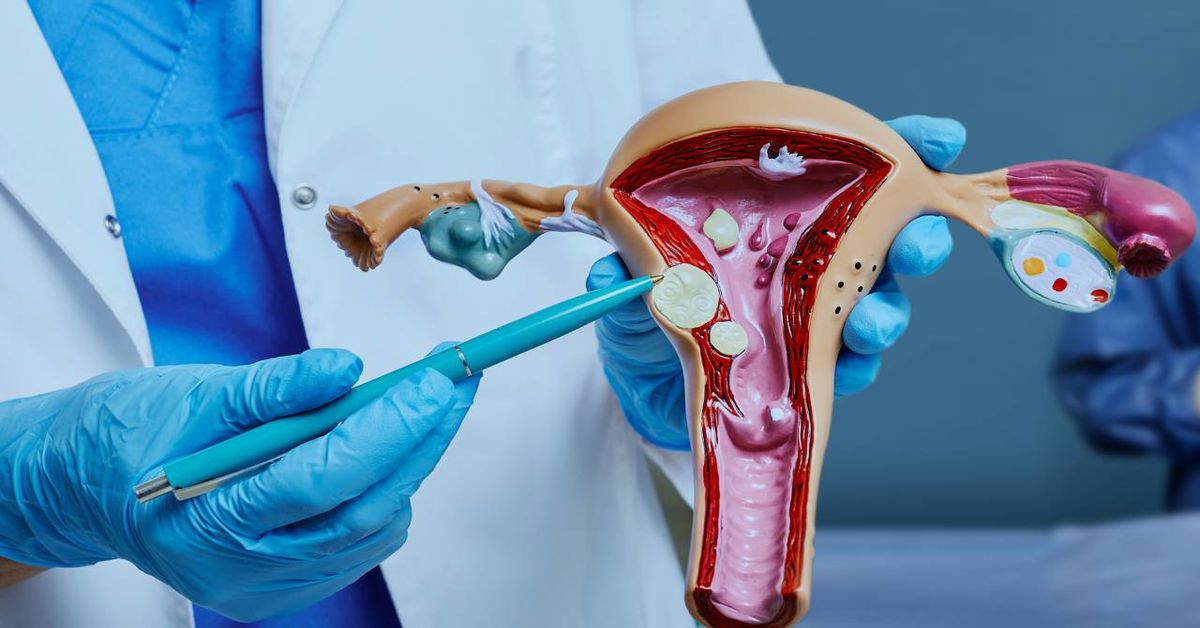
The surgical removal of benign or malignant masses that form inside the uterus. uterine tumor surgery This operation is called tumor removal. The plan for this procedure depends on the type and size of the tumor and the patient's overall health. The goal is to safely remove the tumor and improve the patient's quality of life. While some tumors only require observation, surgical intervention may be necessary for others.
Who is a suitable candidate for uterine tumor surgery?
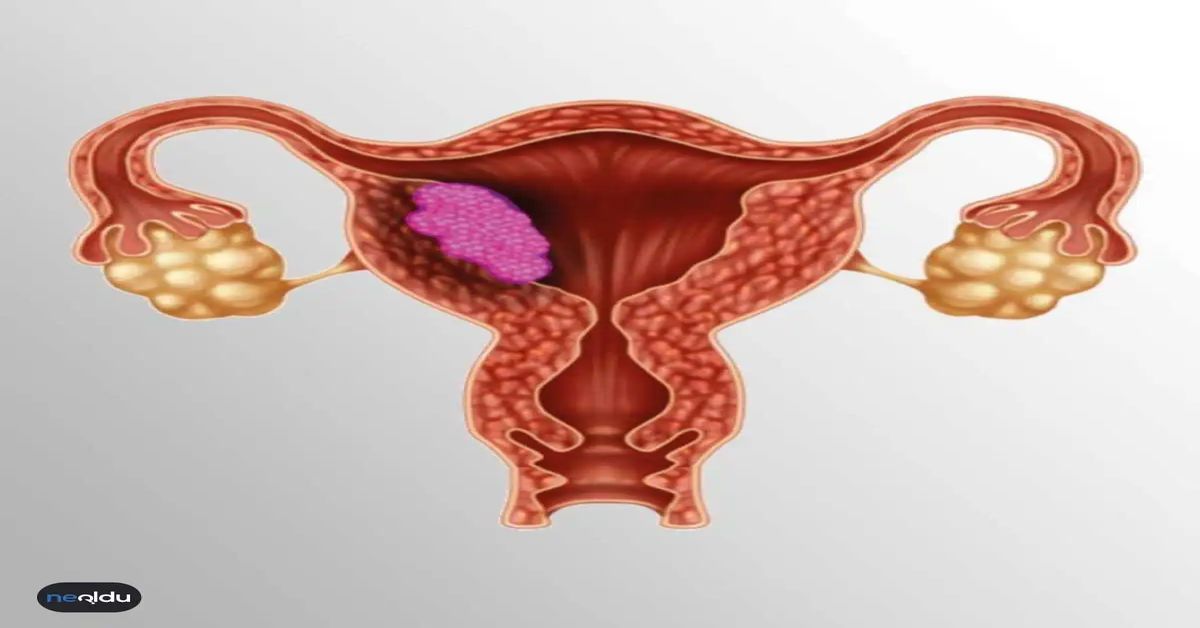
Uterine masses cause different symptoms in each woman. Some progress silently, while others lead to noticeable complaints. Excessive bleeding, menstrual irregularities, and pelvic pain are examples of these symptoms. Such complaints affect daily life and require medical evaluation. Early diagnosis is one of the most important steps in the treatment process.
For women whose symptoms worsen and quality of life decreases uterine tumor surgery Surgery may be a suitable option. Rapid tumor growth, suspicious images on ultrasound, and recurrent bleeding problems increase the need for surgery. In some cases, the tumor can press on tissues, affecting urinary and bowel function. These findings strengthen the decision for surgery. The evaluation is always done by considering the patient's complaints and medical results together.
Risk factors also play an important role in this decision-making process. Women with a family history of tumors, those experiencing hormonal imbalances, or those in menopause are at higher risk. Therefore, regular follow-up is important. In cases of tumors that may be malignant, intervention is necessary without delay. Every woman's situation is different, and the treatment plan is determined individually.
When all these factors are considered together, surgery becomes the most effective method for some women. This is especially true for patients whose quality of life is deteriorating and who show improvement in follow-up results. uterine tumor surgery It offers a reliable solution. Surgery performed at the right time both reduces symptoms and provides a significant advantage in terms of long-term health.
In what situations is uterine tumor surgery used?
Uterine masses develop differently in every woman. Some progress silently, while others cause noticeable symptoms. Excessive bleeding, pelvic pain, and a feeling of pressure are examples of these symptoms. The size and structure of the tumor are important factors in determining treatment. Therefore, regular check-ups should not be neglected.
Worsening symptoms and impaired bleeding patterns strengthen the likelihood of surgery. Suspicious findings on imaging also increase this probability. Some masses can put pressure on surrounding tissues, making daily life difficult. Changes in urinary and bowel function may occur. Such findings require early evaluation. The treatment decision is always shaped by the patient's complaints.
At the end of these evaluations uterine tumor surgery Surgery is applicable. It is preferred for growing masses or those that have the potential to be malignant. The goal of surgery is the complete removal of the tumor. If necessary, affected surrounding tissues are also cleaned. The patient's age and reproductive desires are also included in the decision-making process. Therefore, treatment is always planned individually.
The postoperative recovery process varies depending on the method used. Patients recover more quickly with minimally invasive (laparoscopic) surgery. Recovery time is slightly longer with open surgery. Rest, adherence to recommended exercises, and regular check-ups are important for the patient. These steps accelerate recovery and prevent potential complications. Surgery performed at the right time significantly improves quality of life.
How is uterine tumor surgery performed?
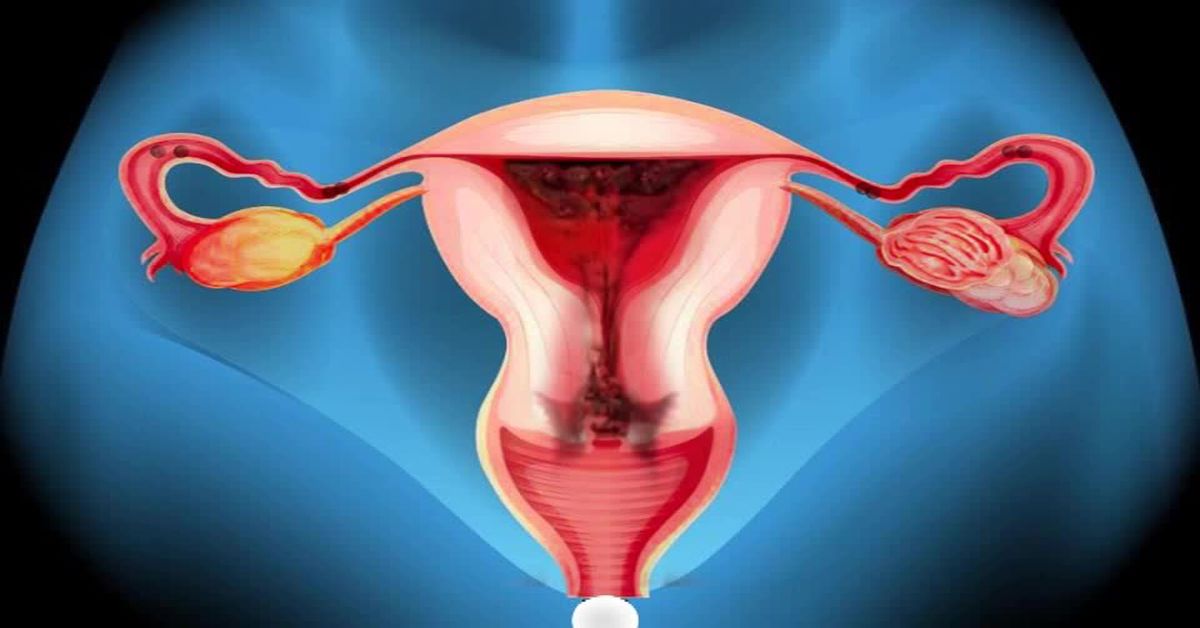
Surgical methods play a significant role in the treatment of intrauterine masses. The size, type, and location of the tumor determine the decision for surgery. The goal is to safely remove the tumor and improve the patient's quality of life. This process is planned taking into account the patient's overall health status, thus creating a personalized and effective approach.
One of the surgical methods applied uterine tumor surgery, This is often done using a closed technique. In this method, small incisions are used and the operation is performed with the help of a camera. Closed surgery shortens the recovery time and speeds up the patient's return to daily life. In some cases, open surgery may be necessary. This choice is related to the size and spread of the tumor. The goal during surgery is the complete removal of the tumor and affected tissues.
The type of surgery performed depends on the structure of the tumor. For small, benign tumors, removing only the mass may be sufficient. For larger or malignant tumors, removal of the entire uterus may be necessary. The decision is made based on the patient's age, reproductive desires, and medical findings. In some cases, additional procedures may be performed to examine the lymph nodes. All steps are planned with safety and success in mind.
The postoperative period is just as important as the surgery itself. Patients can be mobilized within a few hours. Nutrition and exercise are gradually increased. Recovery is faster with minimally invasive surgeries and slightly longer with open surgeries. Regular check-ups are necessary to monitor the success of the treatment. When the entire process is managed correctly, patients lead a more comfortable life and feel the positive effects of the treatment quickly.
What is the recovery process like after uterine tumor surgery?
The recovery process after uterine tumor surgery can vary from patient to patient. Mild pain, fatigue, and limited mobility may be experienced in the first few days. These symptoms will decrease over time. Rest and regular use of prescribed medications will speed up recovery. In addition, fluid intake and light walks will help the body recover.
Recovery time can vary depending on the surgical method. Patients who undergo laparoscopic surgery generally recover faster. Recovery takes a little longer after open surgery. In both methods, keeping the surgical area clean is important. The patient should avoid strenuous activities. Follow-up appointments scheduled by the doctor should also not be missed, as these check-ups show whether the process is progressing correctly.
Some patients may experience hormonal changes after surgery. This is especially noticeable in operations where the uterus is completely removed. Temporary hot flashes, mood swings, or sleep disturbances may occur. These symptoms are normal and will decrease over time. Paying attention to diet and drinking plenty of water supports recovery. If necessary, the doctor may recommend additional treatments.
Once this entire process is complete, patients can return to their daily lives more easily. Pain decreases, mobility increases, and overall health improves significantly. This recovery period is a topic frequently asked about by patients who have started treatment. uterine tumor surgery This is part of the answer to the question. With proper follow-up and regular check-ups, this process progresses more safely and quickly. In the long term, surgery offers an effective solution that improves the patient's quality of life.