
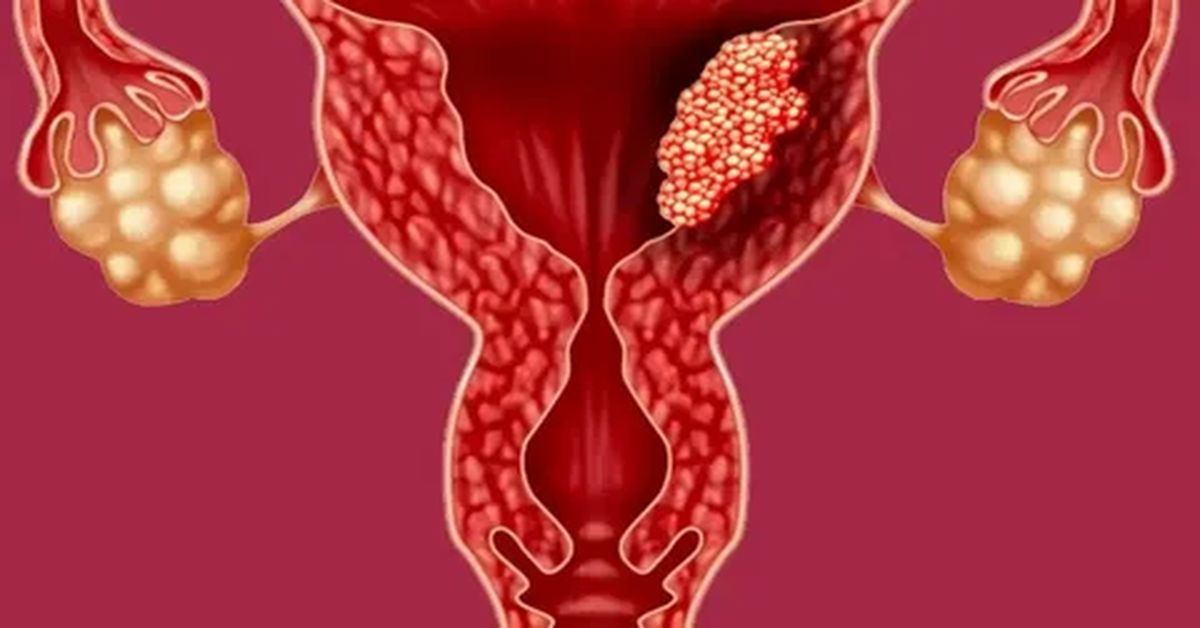
It is a general name given to masses formed by cells that grow uncontrollably inside the uterus. This condition What is a uterine tumor? This forms the basic answer to the question. These tumors can be benign or malignant. The most common benign tumors are fibroids. Malignant ones are defined as uterine cancer. In both cases, it is important to notice early signs and changes.
What is a Uterine Tumor? Symptoms and Causes
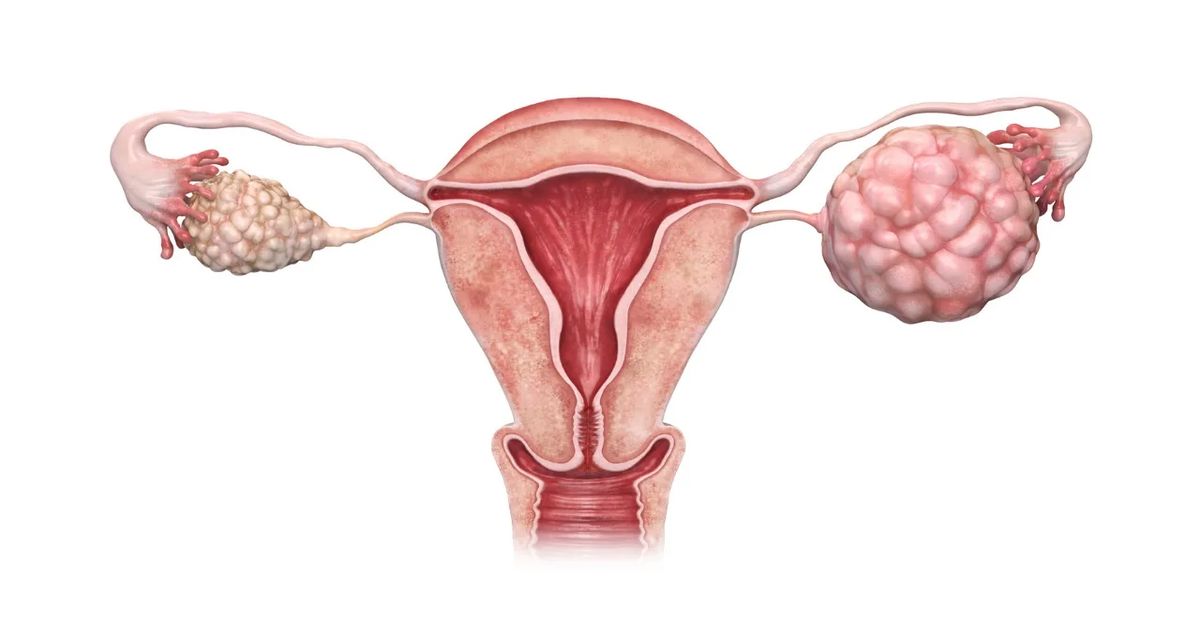
Tumors developing inside the uterus are a significant problem affecting women's health. These tumors can be benign or malignant. The most common benign tumors are called fibroids. Malignant tumors require a more rigorous monitoring and treatment process. Therefore, early diagnosis is vital. Regular gynecological checkups allow for the early detection of possible changes.
Symptoms vary from person to person. Excessive menstrual bleeding, pelvic pain, and bloating are common complaints. However, some women may experience no symptoms at all. The condition is usually detected during routine checkups. Therefore, any possible findings should be taken seriously. Especially... uterine tumor When it develops, significant changes in bleeding patterns may occur. Symptoms such as pain, pressure sensation, and frequent urination may also accompany the condition. These symptoms can affect daily life and require early evaluation.
Although the exact causes are unknown, hormonal influences play a significant role. Changes in estrogen and progesterone balance can affect tumor formation. Genetic predisposition is also among the risk factors; a family history of similar problems can increase the risk. In addition, certain environmental factors, aging, and obesity may also be influential. Every woman's risk level is different, and therefore regular check-ups are recommended.
The appropriate treatment is determined by the type and size of the tumor and the patient's overall condition. Some tumors only require observation, while others may require medication or surgery. Regular monitoring of the treatment process is important. Early diagnosis and the right approach significantly improve the patient's quality of life. This entire process..., uterine tumor It provides both guidance and protection for women who encounter this situation.
Who gets uterine tumors?
The uterine tissue is central to the female reproductive system and is highly sensitive to hormonal changes. Therefore, various growths and structural changes can occur at different stages of life. Some are harmless, while others may require monitoring and treatment. A person's age, health status, and hormonal balance are key factors in this process. Regular gynecological checkups are therefore of great importance.
Certain age groups and health conditions make people more susceptible to these types of formations. In particular, women of reproductive age, when hormone levels are more active, may experience these growths more frequently. Individuals with a family history of similar problems also have an increased risk. Genetic predisposition is a significant factor influencing the likelihood of tumor development.
One of the conditions that can arise in high-risk groups is... uterine tumor This is the formation of a skin condition. Hormonal fluctuations, obesity, and irregular menstrual cycles can increase this risk. Changes in the rate of cell renewal with age can also be a factor. In addition, some environmental factors and lifestyle habits play a role in the risk. Therefore, it is very important for every woman to know her own risk level and to notice the symptoms early. Consulting a doctor at any noticed change provides a protective step.
Accurate diagnosis is the first step towards effective treatment. The tumor's structure is evaluated through gynecological examination, ultrasound, and, if necessary, biopsy. Early diagnosis allows for a wider range of treatment options and greater success. The treatment process is planned according to the type and size of the tumor and the patient's needs. The approach may differ for each woman. Regular check-ups and informed follow-up are crucial for a healthy reproductive system.
What are the Treatment Methods for Uterine Tumors?
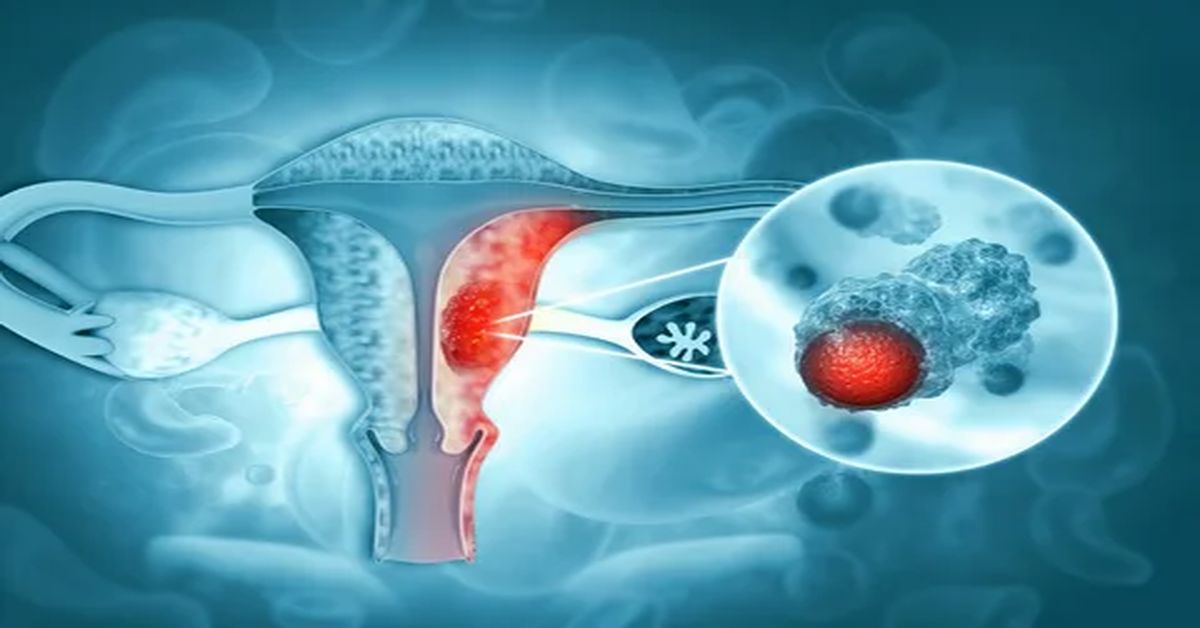
Treatment for intrauterine masses is planned according to the nature of the tumor and the patient's overall condition. A detailed examination and imaging are performed before deciding on the appropriate treatment method. Ultrasound, MRI, or biopsy (if necessary) are used to determine the type of tumor. This assessment forms the basis of the treatment process. The goal is to offer the patient the most effective and safest approach.
Treatment options vary depending on whether the tumor is benign or malignant. For some benign lesions, observation alone may suffice. However, if there are significant symptoms or growth, surgical methods become necessary. In malignant cases, a more comprehensive approach is required. During this process... uterine tumor Accurately determining the tumor's structure is critical for selecting the appropriate treatment. Tumor size, extent of spread, and the patient's overall health profile play a significant role in the treatment decision.
Surgery is an effective option in many cases. For benign tumors such as fibroids, minimally invasive surgery may be preferred. This method shortens the recovery time and accelerates the patient's return to daily life. Malignant tumors, however, may require a larger surgical area. In some patients, chemotherapy or radiotherapy is also applied in conjunction with surgery. These additional treatments aim to control the cells.
Regular follow-up after the treatment process is crucial. Doctor check-ups allow for the early detection of any potential changes. Paying attention to lifestyle and following the given recommendations also supports the recovery process. Since every woman's situation is different, the treatment plan is tailored to her individual needs. This approach helps the patient achieve the best possible outcome in terms of long-term health and quality of life.
What is the recovery process like after uterine tumor treatment?
The recovery process after tumor treatment can vary from patient to patient. The goal of this process is to support the body's recovery and minimize potential risks. In the first few days after treatment, fatigue, mild pain, or hormonal imbalances may occur. This is normal and will decrease over time. Adhering to the recommended rest period will accelerate recovery.
In patients undergoing surgical treatment, wound healing is carefully monitored. Treatment begins with light walking, and daily activities are gradually increased in a controlled manner. Some patients may experience loss of physical strength. Therefore, the limitations recommended by the doctor are important. Avoiding movements that strain the surgical area protects the healing process. In patients receiving medication, regular use enhances the effectiveness of the treatment.
If chemotherapy or radiotherapy has been applied to malignant tumors, the recovery process may be longer. The immune system may weaken during this period. Therefore, nutrition, sleep patterns, and hygiene are of great importance. Regular check-ups are crucial to monitor treatment success and detect any potential recurrence early. The patient's mental state is also an important part of the process. Psychological support can be provided if needed.
Once all these stages are complete, the patient's health continues to be closely monitored. Lifestyle changes, regular checkups, and doctor's recommendations support long-term recovery. This process, which initially came to mind at the beginning of the period, is a testament to this. What is a uterine tumor? It encompasses much more than just the question itself.