
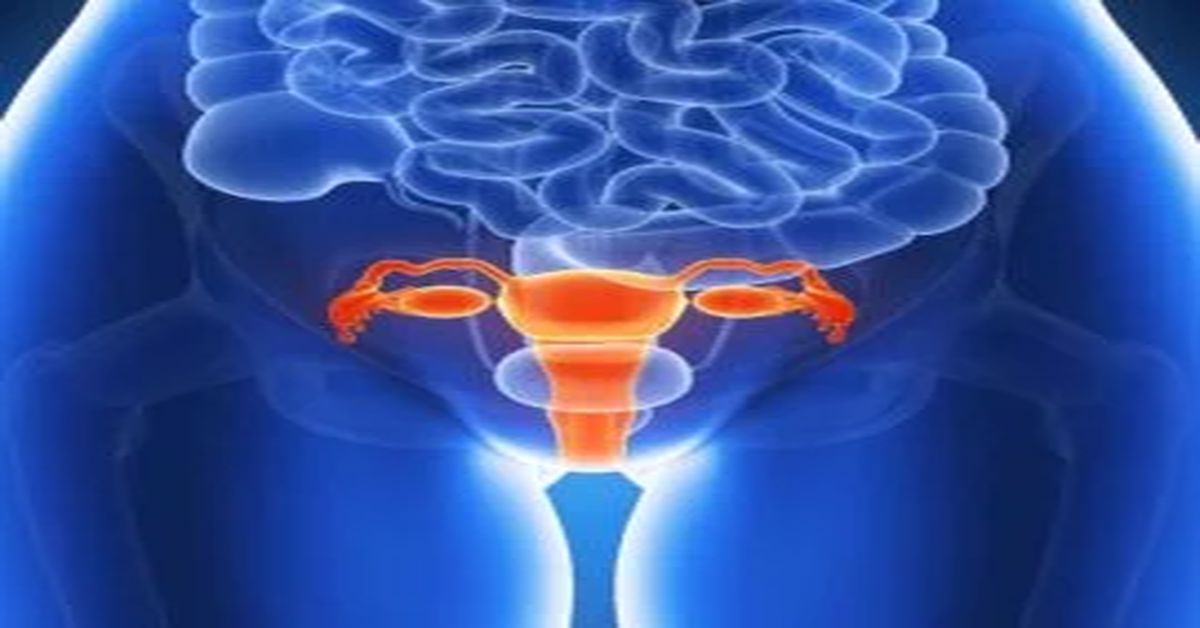
Some infections can progress silently, leading to late detection. Symptoms may include discharge, odor, burning, or pelvic pain. Even mild symptoms should be taken seriously. Cervical infection, Cervical cervicitis is an inflammation of the cervix, the part of the uterus that opens into the vagina. It is a common condition in women and can sometimes progress without symptoms.
Cervical Infection Symptoms and Causes
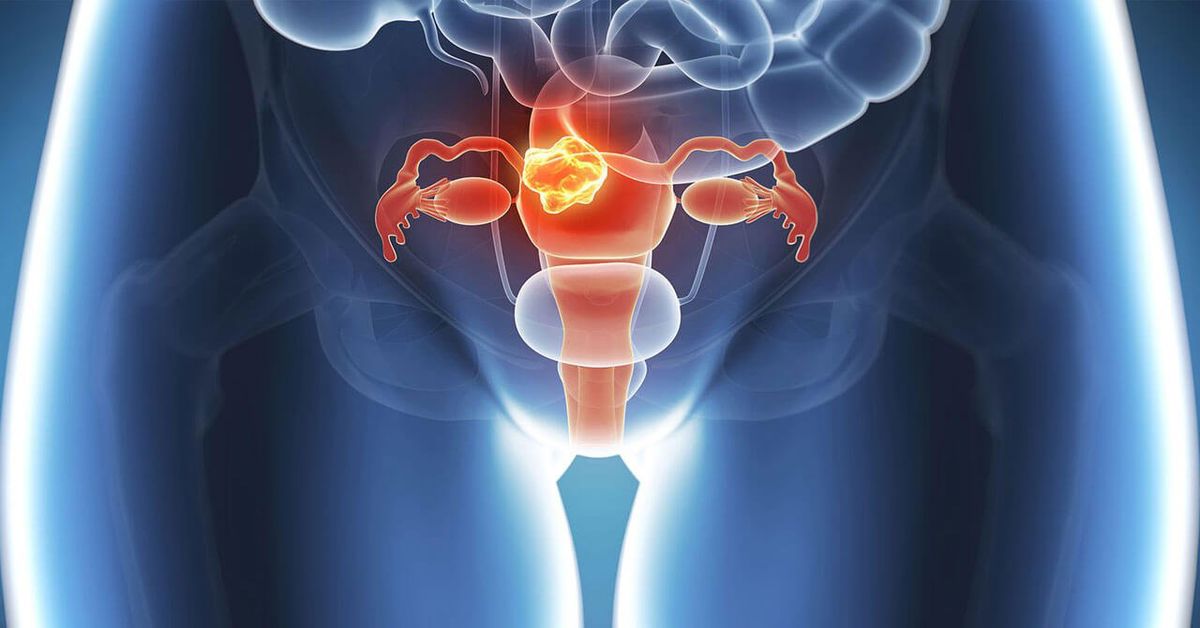
Cervical inflammation is a common condition in women. Sometimes it progresses silently and may go unnoticed for a long time. In other cases, however, it causes symptoms that affect daily life. Therefore, it is important to correctly interpret the symptoms and seek evaluation without delay.
The most common symptoms include increased vaginal discharge. The discharge may be foul-smelling, yellow-green, or thick. Burning during urination and frequent urination may occur. Pain during intercourse, spotting, or bleeding after intercourse are also noticeable findings. Some women may experience a feeling of pressure and mild pain in the groin area. These complaints... cervical infection It may be compatible and should definitely be considered.
The causes can stem from various sources. The most common cause is bacterial infections. Sexually transmitted microorganisms are also a significant factor. Unprotected intercourse, partner changes, and irregular hygiene can increase the risk. When the vaginal flora is disrupted, the cervix can become more sensitive.
In some cases, infection may occur along with irritation. Perfumed products, vaginal douches, and improper cleansers can irritate the cervix. Sensitivity may develop after IUD insertion. Infections can recur more easily during periods when the immune system is weakened. Stress, lack of sleep, and irregular eating habits can also affect the process. For these reasons... cervical infection It does not depend on just one factor.
If symptoms are present, it's not advisable to wait for them to resolve on their own. A physical examination and necessary tests are essential for diagnosis. Treatment is planned according to the type of infection. With the right medication and regular follow-up, symptoms can decrease quickly. Taking early action is crucial for a healthy recovery process.
Who gets cervical infections?
Cervical infections are among the most common health problems in women. They can occur at any age and may progress without symptoms in some individuals. Therefore, regular gynecological checkups are important. Early diagnosis makes treatment easier and reduces potential risks.
This condition is particularly common in sexually active women. Unprotected intercourse is a significant factor that increases the risk of infection. Increasing the number of partners can also raise the risk. When the balance of the vaginal flora is disrupted, the cervix becomes more sensitive.
Some women are at higher risk. Those with weakened immune systems are more susceptible to infections. Chronic diseases like diabetes can also affect this process. This is especially true for women who frequently experience vaginal infections. cervical infection The likelihood of it occurring may increase.
Women using an IUD may have a more sensitive cervix. This doesn't always mean an infection will develop, but irritation and discharge may occur in some cases. Vaginal douching or using perfumed products can also disrupt the protective barrier.
During pregnancy, hormonal changes can make the cervix more sensitive. Discharge during this period doesn't always mean an infection. However, symptoms such as foul odor, burning, and bleeding warrant evaluation. If treatment is delayed, the infection can spread to higher areas.
What are the treatment methods for cervical infection?
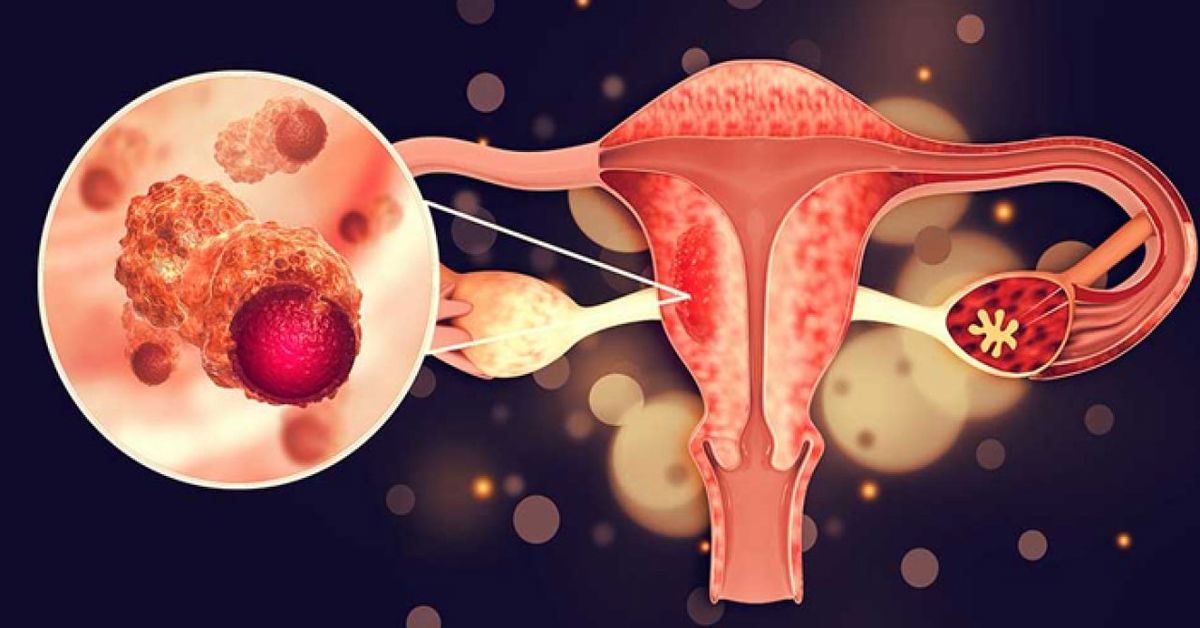
Treatment begins with an accurate diagnosis, because not all infections are caused by the same factor. In some cases, bacteria are the cause, while in others, fungi or other microorganisms may play a role. Therefore, it is not correct to use medication without an examination and necessary tests.
The most common treatment method is antibiotics. They are particularly effective in cases of bacterial origin. The doctor may prescribe oral medication or vaginal application depending on the type of infection. In some patients, partner treatment may also be necessary. Cervical infection In this treatment, it is very important to use the medications regularly and for the prescribed duration.
Antifungal medications are preferred for fungal infections. These treatments usually provide relief quickly. However, treatment should not be stopped before completion. Incorrect or incomplete use can cause symptoms to recur. In some cases, symptoms such as itching and burning subside within a few days.
Supportive measures may be recommended for individuals with vaginal flora imbalance. Probiotic products or flora-regulating treatments can be helpful in this process. It is also important to avoid perfumed cleansing products. Practices such as vaginal douching can increase irritation.
Avoiding unprotected intercourse during treatment is recommended. It is important to remember that the cervix remains sensitive until healing is complete. Even if symptoms subside, follow-up appointments should not be neglected. In recurring cases, the underlying cause will be investigated.
What is the recovery process like after treatment for a cervical infection?
After treatment is complete, the process usually begins with relief. Symptoms such as discharge, odor, and burning may decrease quickly. However, the disappearance of symptoms does not always mean that the infection is completely gone. Therefore, the medications prescribed by the doctor must be used for the full duration.
It may take a few days for the body to recover after treatment. Some women may experience mild tenderness or occasional stinging sensations. This is usually temporary. It is important to avoid products that may irritate the vaginal area during the healing process.
A follow-up examination is an important part of this process. The doctor may order further tests if deemed necessary to confirm that the infection has completely cleared. If the infection was caused by a sexually transmitted infection, the partner's treatment must also be completed. Otherwise, there is a risk of reinfection.
Post-treatment protection and hygiene habits are also important. Avoiding unprotected intercourse for a while may be recommended. Regular and proper cleaning helps maintain vaginal balance. In addition, sleep that supports the immune system, a balanced diet, and stress management strengthen healing.
In conclusion, follow-up and careful care complete the post-treatment process. Even if symptoms decrease, check-ups should not be neglected. Adopting proper lifestyle habits reduces the risk of recurrence. When necessary precautions are taken, recovery usually progresses smoothly. Cervical infection Regular follow-up afterward is the most important step for a healthy recovery.