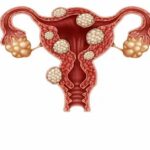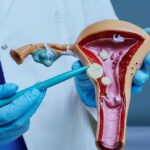

It is a type of cancer that begins in the ovaries of women. Ovarian cancer It usually does not show any symptoms in the early stages. It progresses with symptoms such as abdominal swelling, pain, and loss of appetite. Genetic predisposition, age, and hormone treatments are risk factors. Treatment is usually done with surgery and chemotherapy. Early diagnosis increases the success of treatment. It is important to see a doctor.
What are the symptoms of ovarian cancer?

Abdominal bloating and a feeling of fullness can occur periodically in many people. However, if this complaint persists for a long time, it should be taken seriously. Decreased appetite and feeling full quickly may also accompany it. While some people experience weight loss, others may notice a significant increase in abdominal size. Pressure in the groin area, lower back pain, and persistent fatigue are also among the possible complaints. Symptoms often begin insidiously.
One of the most common complaints is recurrent and persistent abdominal bloating. Frequent urination, discomfort during urination, or an increased need to urinate may occur. Constipation, changes in bowel habits, and indigestion may also be present. Evaluation is important, especially if these symptoms persist for more than a few weeks. ovarian cancer It may be related to.
Changes in menstrual cycles may occur in some patients. Postmenopausal bleeding is a symptom to watch out for. Pain during sexual intercourse and tenderness in the groin area may be experienced. A palpable mass in the abdomen is rarely noticed. Shortness of breath may develop along with fluid accumulation in the abdomen. In this case, the abdominal circumference may increase rapidly, and the person may feel more easily fatigued.
If symptoms are new and progressively worsening, a gynecological evaluation should be performed without delay. The risk may be assessed differently in those with a family history. The process can be clarified with examination, ultrasound, and necessary blood tests. Early diagnosis increases the chances of a stronger treatment option. Therefore, it is important to take symptoms seriously, especially if there is persistent bloating, feeling full quickly, and changes in urinary habits. ovarian cancer A check-up is recommended in this regard.
What Causes Ovarian Cancer?
It is not caused by a single factor and often develops as a result of a combination of factors. In some individuals, genetic predisposition is prominent. In others, hormonal and environmental influences experienced throughout life may play a role. Not every risk factor means that the disease will develop. However, in some cases, the risk can increase significantly. Therefore, individual assessment is important; this table ovarian cancer This also applies to...
Family history is an important factor. Having a first-degree relative with ovarian or breast cancer can increase the risk. Gene mutations such as BRCA1 and BRCA2 are the best-known examples. Certain inherited conditions, such as Lynch syndrome, can also increase the risk. Therefore, genetic counseling may be considered for those with a strong family history.
The risk increases with age, especially after menopause. Never having given birth can be associated with increased risk. Starting menstruation at an early age and entering menopause late can also increase the risk, because ovulation occurs more often throughout life. Some hormone therapies may require risk assessment when used for a long time, so medical supervision is important.
There are also factors that may offer protection. Long-term use of birth control pills has been found to reduce the risk in some studies. Pregnancy and breastfeeding can reduce the number of ovulations. This may have a protective effect. However, the situation is different for each person. The best approach is to know the risk factors and not to neglect regular check-ups. If there are any suspicious symptoms, it is important to consult a gynecologist without delay.
What are the treatment methods for ovarian cancer?

The treatment plan is first shaped by accurate diagnosis and staging. Examinations, ultrasound, CT scans, or MRIs may be performed. Blood tests are also requested in some cases. Based on the findings, the extent of the disease is assessed. The person's age, general health status, and desire for children also influence the planning. The goal is both to control the disease and to preserve the quality of life.
Surgery is the primary treatment for many patients. The goal of surgery is to remove the tumor. If necessary, the uterus, ovaries, and surrounding tissues are evaluated. Lymph nodes may also be checked in some patients. The aim of surgery is to leave as little disease as possible behind. This can improve the effectiveness of subsequent treatments.
Chemotherapy is one of the frequently used methods in treatment. Sometimes, chemotherapy is given before surgery to shrink the tumor. Other times, it is planned to target any remaining cells after surgery. The method and duration of application vary depending on the stage of the disease. Targeted therapies may be considered for some patients. Options that support the immune system may also be evaluated. These decisions are usually finalized based on the pathology results. Follow-up plan. ovarian cancer It takes shape according to the process.
Follow-up and supportive care are crucial during the treatment process. Additional treatments may be applied for side effects such as nausea, loss of appetite, and fatigue. Diet and sleep quality support recovery. Blood values and imaging studies are monitored during follow-up appointments. If symptoms worsen, the treatment plan may be adjusted. There is no single approach for every patient. The most appropriate approach is determined through a joint assessment by the oncology and gynecology teams.
What is the recovery process like after ovarian cancer treatment?
The post-treatment process varies depending on the method used. Patients who have undergone surgery may experience fatigue in the first few weeks. Tenderness in the abdominal area may also occur. It is important to follow the movement restrictions recommended by your doctor. Light activities such as walking support circulation. Heavy lifting and sudden movements should be avoided. Protein and fluid intake contribute to recovery.
Recovery in patients undergoing chemotherapy can sometimes be uneven. Some days you may feel better, while other days fatigue may increase. Nausea, loss of appetite, and taste changes may occur. Hair loss or skin sensitivity may also be experienced. Blood values are monitored regularly. Hand hygiene and avoiding crowded places may be recommended to reduce the risk of infection. Supportive medications may be planned for side effects.
Psychological support and a supportive social environment are crucial during this period. Anxiety may persist even after treatment ends. Sleep patterns may be disrupted, and concentration may become difficult. Breathing exercises can be beneficial in this regard. Establishing a regular routine and seeking professional support when needed also facilitates the process. Follow-up appointments should not be missed. The doctor will evaluate the patient's complaints and test results together. The goal of long-term follow-up is to detect any potential relapse early and maintain quality of life.
Regular check-ups, imaging, and necessary blood tests are scheduled. Attention should be paid to any new symptoms such as abdominal bloating, feeling full quickly, pelvic pain, or unexplained weight changes. In such cases, it is necessary to consult a doctor without delay. Healthy eating, appropriate exercise, and avoiding smoking support overall recovery. During this process... ovarian cancer Adherence to the post-treatment follow-up program is as valuable as the continuation of treatment.