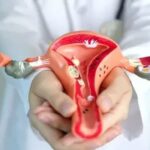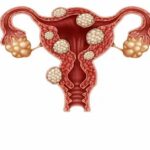

Sexual health is an important part of overall health. In some cases sexual dysfunction in women This condition can manifest as decreased sexual desire or difficulty with arousal. Pain or discomfort during intercourse may also occur. Hormonal changes and stress can contribute to this. Certain problems experienced in daily life can also have an impact.
Symptoms and Causes of Sexual Dysfunction in Women

Sexual health is an important part of overall health. In women, certain conditions can arise that affect their sexual life. These conditions may develop due to physical, psychological, or hormonal reasons. Symptoms may include decreased sexual desire, discomfort during intercourse, or difficulty achieving arousal. Such conditions can affect a person's quality of life and relationships. Therefore, it is important to recognize these symptoms and consult a specialist when necessary.
In some cases sexual dysfunction in women It can manifest itself with symptoms. One of the most common symptoms is decreased sexual desire. Difficulty with arousal or pain during intercourse may also occur. Some women may experience difficulty achieving orgasm. These conditions may be temporary, but if they persist for a long time, they can affect a person's quality of life. In such cases, seeking support from a specialist can be beneficial.
Many different factors can contribute to this problem. Hormonal changes are one of the important factors. Certain changes can be seen, especially during menopause. In addition, stress, anxiety, and relationship problems can also be influential. Some chronic illnesses or medications can also affect sexual life. Furthermore, fatigue and a busy lifestyle can also contribute to this condition.
In later stages sexual dysfunction in women It significantly affects a person's life. Situations such as decreased sexual desire or avoidance of intimacy may occur. In addition, pain or discomfort during intercourse may persist. This can also have emotional and psychological effects. Therefore, it is important to consult a specialist when symptoms are noticed. Early assessment allows for the planning of appropriate support and treatment methods.
Who is susceptible to female sexual dysfunction?
Sexual health is an important part of women's overall health. However, problems affecting sexual life can arise at certain times. This can occur in different age groups. Physical, psychological, or hormonal factors can affect sexual life. Stress, fatigue, and relationship problems experienced in daily life can also have an impact. Therefore, it is important to take sexual health problems seriously.
Some women may experience difficulties with their sex life during certain periods. This is especially common in those under intense stress. Hormonal changes can also play a role. Periods such as pregnancy, postpartum, and menopause can cause certain changes. Furthermore, some chronic illnesses and medications can also affect sexual life. These issues can manifest differently in each woman.
In some cases, these types of problems may occur more frequently in certain risk groups. The risk may increase, especially in individuals experiencing prolonged stress. In addition, psychological conditions such as depression and anxiety can also play a role. Similar problems may also be seen in women experiencing hormonal changes. These factors can sometimes contribute to this. sexual dysfunction in women It can contribute to its development. Additionally, relationship problems and lack of communication can also cause this condition to arise.
Sexual health problems are often solvable. Therefore, it's important not to ignore any symptoms. Consulting a specialist doctor can help ensure a proper assessment. Psychological support or medical treatment may be prescribed if necessary. Healthy lifestyle habits and open communication also play a significant role in this process. This can positively impact a person's quality of life and relationships.
What are the treatment methods for female sexual dysfunction?

Sexual health is closely related to women's physical and psychological health. However, in some cases, problems affecting sexual life may arise. This can affect a person's quality of life and relationships. Complaints such as decreased sexual desire, difficulty with arousal, or discomfort during intercourse may occur. These kinds of situations can arise for different reasons. Therefore, accurate assessment and an appropriate treatment plan are crucial.
sexual dysfunction in women Different methods can be applied in treatment. The treatment plan is usually determined according to the cause of the problem. If hormonal changes are involved, medical treatments may be considered. If psychological factors are involved, counseling or therapy may be recommended. Couples therapy may also be beneficial in some cases. These approaches can help to better understand the problems the person is experiencing.
Lifestyle changes can also play an important role in the treatment process. Regular exercise can have a positive impact on overall health. In addition, stress management can positively affect sexual life. Healthy eating and sufficient sleep also help maintain body balance. Open communication and partner support are also important factors in the treatment process.
Each individual's situation may be different. Therefore, the treatment plan should be tailored to the person. Consulting a specialist doctor ensures an accurate assessment. Different treatment methods can be planned together when necessary. Regular follow-up and adherence to expert recommendations can help the process progress more smoothly. In this way, the individual's quality of life and sexual health can be positively supported.
What is the recovery process like after treatment for sexual dysfunction in women?
The recovery process after sexual health treatments can vary from person to person. Maintaining balance between physical and emotional well-being after treatment is crucial. This includes following your doctor's recommendations and attending regular check-ups. Some individuals may see positive changes quickly after treatment, while in others, the recovery process may take longer. Therefore, patience and careful monitoring of the situation are important.
Psychological support after treatment can also play an important role. Counseling can be particularly beneficial for individuals experiencing stress and anxiety. This process can help individuals understand themselves better. Open communication with a partner is also important. Healthy communication can strengthen trust in a relationship, contributing to a positive outcome in the treatment process.
Lifestyle habits are also among the things to consider after treatment. Regular exercise and healthy eating can have a positive impact on overall health. In addition, adequate sleep and stress management are important. Establishing a balanced daily routine can support both physical and psychological health. These kinds of habits can contribute to the healing process.
Maintaining healthy lifestyle habits in the long term is crucial. Regular doctor checkups can help ensure the process progresses correctly. Emotional and psychological needs must also be considered. Establishing healthy communication and mutual understanding with your partner is important during this process. sexual dysfunction in women Paying attention to the recommendations given afterwards helps to protect life.