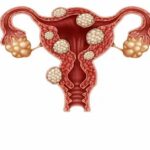

It is the condition in which the cervix weakens and opens early during pregnancy. This can lead to miscarriage or premature birth, usually in the second trimester. The cause is congenital weakness, trauma or surgical interventions. Cervical insufficiency, Symptoms include mild groin pain or a feeling of vaginal pressure. Treatment methods include stitching the cervix (cerclage) or progesterone therapy. Early diagnosis is important for the healthy progression of pregnancy.
Cervical Insufficiency Symptoms and Causes
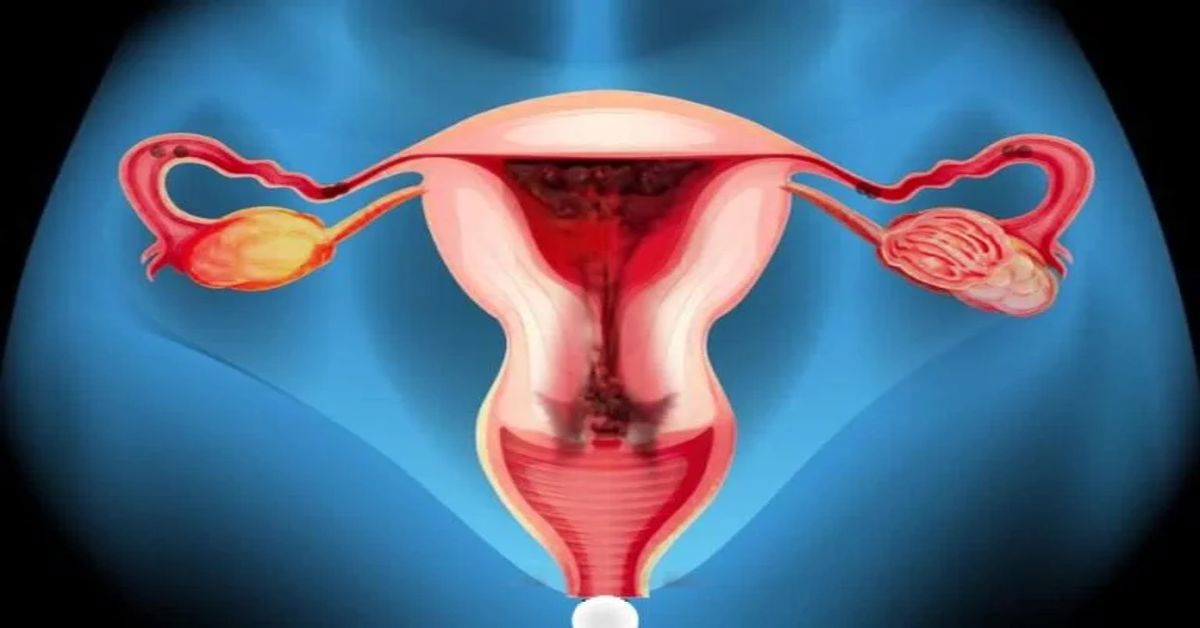
This is a significant condition that can occur in the second trimester of pregnancy. The cervix normally remains closed throughout pregnancy, safely holding the baby inside. However, in some women, this structure shortens and begins to open prematurely. This condition is usually painless, making it difficult to detect early. It requires careful monitoring as it increases the risk of premature birth.
A condition that progresses without symptoms in some people. cervical insufficiency It is possible. The most common signs are a feeling of pressure in the vagina, fullness in the groin, and mild lower back pain. Watery or slightly bloody discharge may also occur. Some patients describe a downward pushing sensation in the pelvic region. Severe contractions are often absent. Therefore, because the symptoms are mild, they may be overlooked. Women who have previously experienced a second-trimester miscarriage are particularly at risk.
The reasons are not always clear. Previous abortions, difficult births, or surgical procedures on the cervix can increase the risk. Procedures like conization can weaken the tissue. Connective tissue disorders can also be a factor. Some women may have a naturally shorter cervix. Multiple pregnancies also put extra strain on the cervix, which can lead to premature dilation.
The diagnosis is made with ultrasound and cervical insufficiency If detected early, a treatment plan can be devised. A vaginal ultrasound measures the length of the cervix. If necessary, a surgical procedure called cerclage is performed. This procedure supports the cervix with stitches. Progesterone therapy is recommended for some patients. Regular doctor check-ups are crucial. Early intervention supports a healthy pregnancy.
Who gets cervical insufficiency?
Cervical insufficiency usually occurs in the second trimester of pregnancy. It does not occur in every pregnancy, but some women are at higher risk. Those who have previously had premature births should be closely monitored. The risk increases in women with a history of second-trimester miscarriage. This condition often progresses painlessly, therefore regular check-ups are crucial.
Women who have undergone surgery on the cervix are at higher risk. Conization, LEEP, or frequent abortions can weaken the tissue. Difficult deliveries can also damage the cervix. Women with congenital uterine abnormalities are also at risk. In individuals with connective tissue disorders, the cervix may not be able to provide sufficient resistance. In multiple pregnancies, premature dilation may occur due to increased pressure.
A condition that develops in some women without any symptoms. cervical insufficiency It is possible. This risk is more pronounced, especially in pregnant women with a short cervix. Ultrasound measurements provide early indications. Patients who have previously undergone cerclage are also closely monitored. Family history, although rare, can be a contributing factor. Therefore, risk factors should be carefully evaluated.
Women at risk should definitely consult a doctor when planning a pregnancy. Vaginal ultrasound measurements taken in the early weeks are helpful. If necessary, contraceptive treatments can be applied. Cerclage can reduce the risk of premature birth in suitable patients. Progesterone supplementation is also preferred in some cases. With regular monitoring, a healthy pregnancy is possible.
What are the treatment methods for cervical insufficiency?
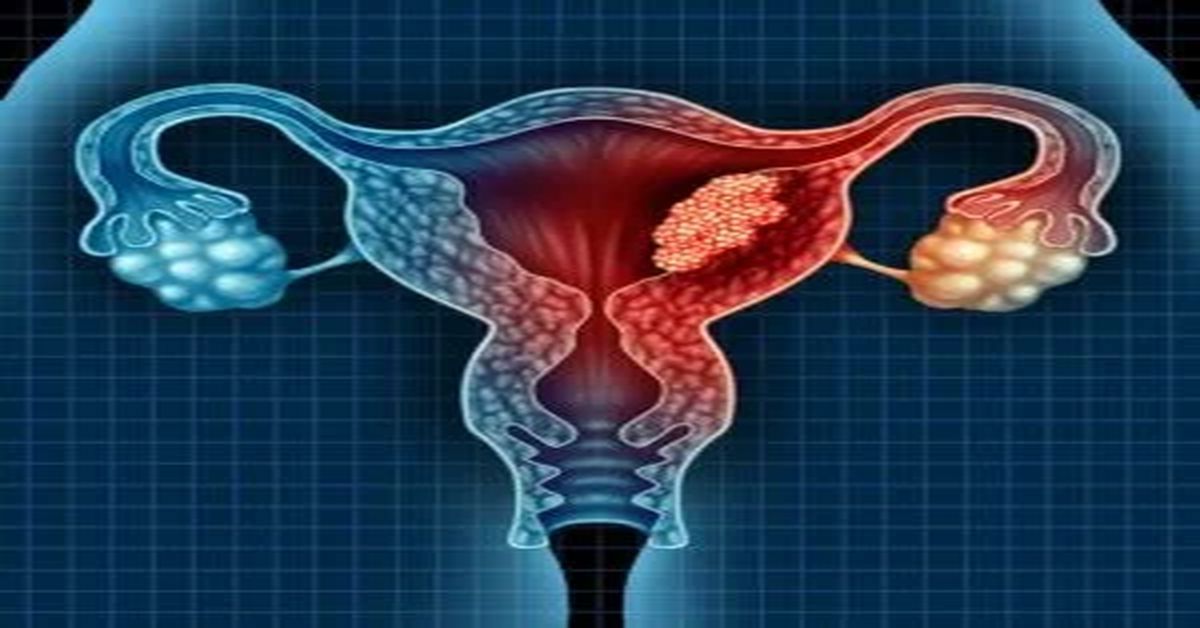
The goal in treating cervical insufficiency is to ensure the pregnancy continues as safely as possible. This condition is often detected in the second trimester. Early diagnosis increases the chances of successful treatment. High-risk pregnancies should be monitored regularly. Cervical length is measured using vaginal ultrasound. If shortening is detected, treatment planning is done quickly. The patient's previous pregnancy history is a determining factor in the decision-making process.
When the diagnosis is made cervical insufficiency One of the most effective methods for this is cerclage. In this procedure, surgical stitches are placed in the cervix. The aim is to prevent premature rupture. It is usually performed between the 12th and 24th weeks of pregnancy. The procedure is short, and the hospital stay is generally not prolonged. In suitable patients, it can significantly reduce the risk of premature birth. However, it is not performed on every pregnant woman. The decision is made based on individual risks.
Progesterone therapy is also a commonly used option. This hormone helps reduce uterine contractions and also supports the stability of the cervix. It can be administered as a vaginal capsule or by injection. It is particularly preferred for contraceptive purposes in pregnancies where the cervix is short. Treatment should be continued regularly and under the supervision of a doctor. Side effects are mostly mild.
Lifestyle modifications are recommended for some patients. Strenuous exercise and prolonged standing may be restricted. Temporary advice regarding sexual intercourse may be given. If signs of infection are present, they are treated. Regular follow-up is of great importance. Early intervention can prolong the pregnancy. With proper planning, the health of both mother and baby can be protected.
What is the recovery process like after treatment for cervical insufficiency?
The recovery period after treatment for cervical insufficiency requires careful monitoring. Patients who have undergone cerclage, in particular, are called for regular check-ups. Mild pelvic pain and spotting may occur in the first few days. This usually resolves quickly. Severe pain or heavy bleeding should prompt a visit to the doctor. Signs of infection are also closely monitored. Fever, foul-smelling discharge, or increasing pain are important indicators.
The patient's daily life is not completely restricted after treatment. However, heavy lifting should be avoided. Standing for long periods is not recommended. If the doctor deems it necessary, sexual intercourse may be postponed for a while. Progesterone treatment may continue. Cervical length will continue to be measured with vaginal ultrasound. These checks are important for detecting early risks.
Cerclage is usually removed towards the end of pregnancy. In most cases, the stitches are removed around weeks 36-37. The procedure is generally short and may not require anesthesia. Labor may begin spontaneously after the stitches are removed. However, in some pregnancies, labor occurs later. The process can vary from patient to patient, therefore individual monitoring is important.
Throughout this monitoring process, the goal is to minimize the risk of premature birth. Regular doctor check-ups are essential for a safe pregnancy. The patient's symptoms are carefully evaluated. In case of sudden contractions, rupture of membranes, or bleeding, a healthcare facility should be contacted immediately. With appropriate treatment and follow-up... cervical insufficiency Many women who survive can have a healthy delivery.