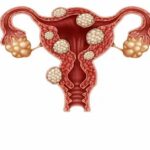
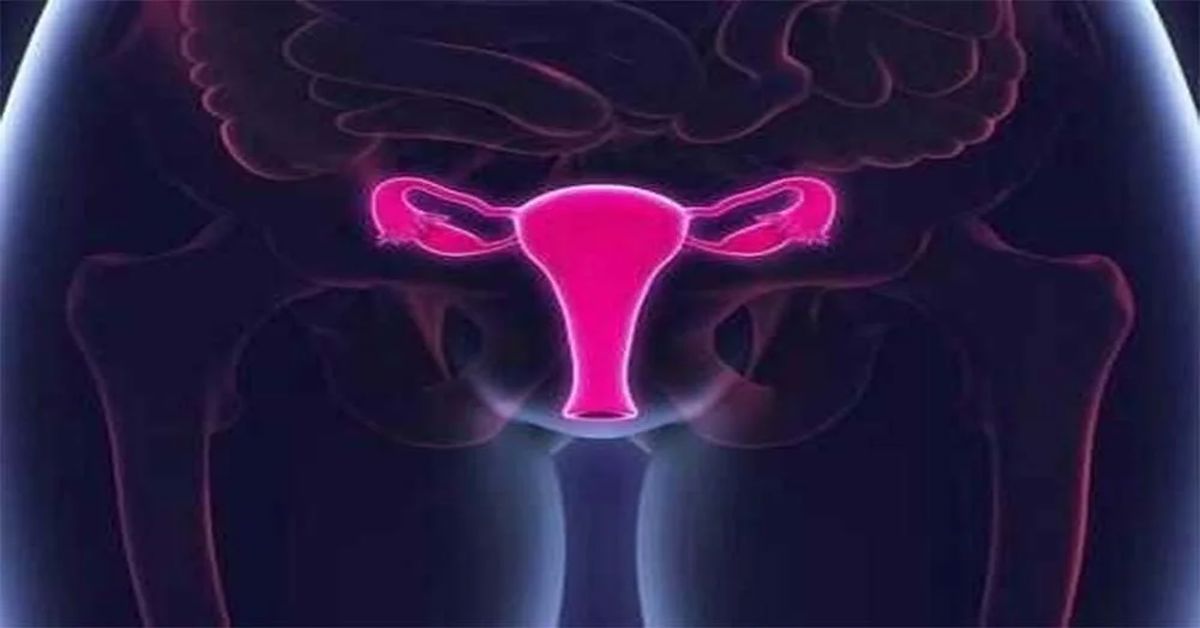
It is a rare type of cancer that develops in the vaginal tissue. It is usually caused by abnormal changes in the cells. Vaginal cancer, may not show any symptoms in the early stages, but bleeding, pain and abnormal discharge may occur as it progresses. Risk factors include human papillomavirus (HPV) infection. Early diagnosis allows for treatment. Treatment options include surgery, radiotherapy and chemotherapy. It is a disease that threatens women's health.
What are the symptoms of vaginal cancer?
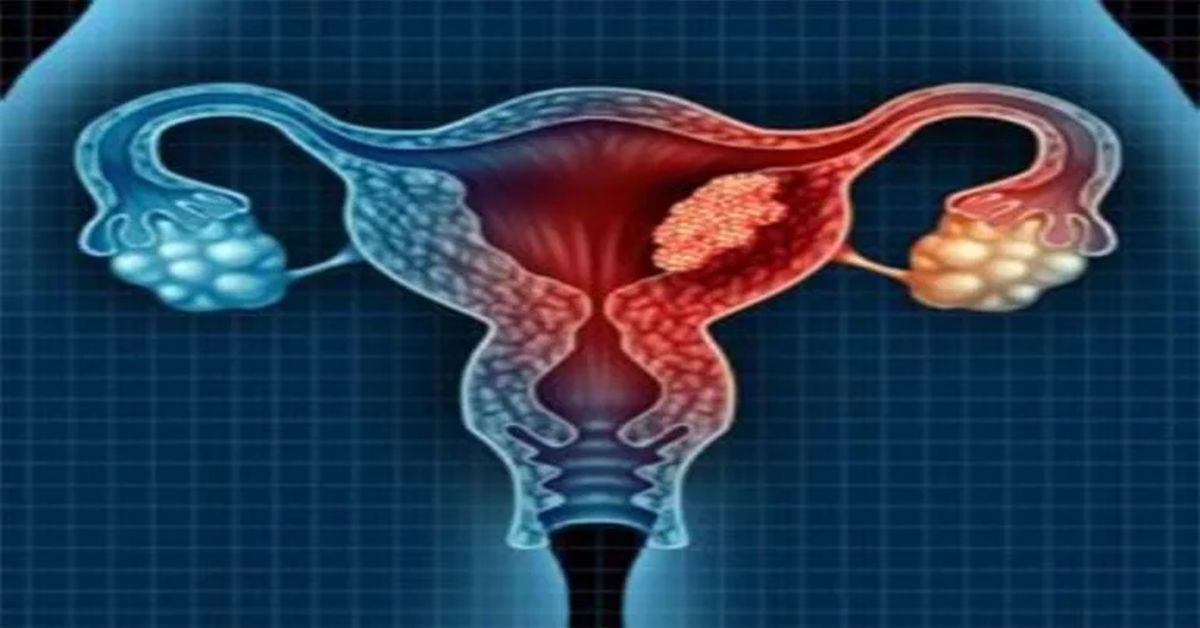
It is a rare disease, but early detection makes treatment easier. It is generally more common in women over 50. Symptoms can sometimes be mild and difficult to notice. Therefore, it is important to carefully monitor the signals the body gives. Regular gynecological checkups are vital for early diagnosis.
Vaginal cancer, It usually manifests as abnormal vaginal bleeding. Bleeding may occur especially after menopause or after sexual intercourse. As the condition progresses, some symptoms become more pronounced. Persistent vaginal discharge, foul odor, and pain or itching in the vaginal area may occur. Some women may also experience a burning or urgency sensation while urinating.
Early diagnosis increases the success of treatment. The stage and type of cancer determine the treatment plan. Options such as surgery, radiotherapy, and chemotherapy are applied depending on the extent of the disease.
Following your doctor's recommendations and not missing regular check-ups is very important during the treatment process. Vaginal cancer, It usually manifests as abnormal vaginal bleeding. Bleeding may occur especially after menopause or after sexual intercourse. As the condition progresses, some symptoms become more pronounced. Persistent vaginal discharge, foul odor, and pain or itching in the vaginal area may occur. Some women may also experience a burning or urgency sensation while urinating.
What Causes Vaginal Cancer?
There is a rare but serious disease of the female reproductive system. It usually appears in women over 50 and often progresses slowly. While the exact cause of the disease is not always known, some risk factors increase the likelihood of developing it. Early diagnosis improves the success of treatment. Therefore, it is important for women to carefully monitor changes in their bodies. Vaginal cancer If detected early, the chances of successful treatment increase significantly.
The disease usually begins in the cervix or vaginal tissues. Abnormal cells multiply uncontrollably. HPV (Human Papilloma Virus) infection can affect vaginal cells. High-risk types, in particular, lead to changes in the cells. Furthermore, weakened immune systems with age, smoking, and a history of gynecological cancer increase the risk.
Genetic factors may also play a role. Some women are at higher risk, especially those with a family history of gynecological cancer. Hormonal changes and long-term use of birth control pills can also contribute to the development of the disease. However, healthy lifestyle habits and regular checkups are effective in reducing the risk.
A careful lifestyle and conscious monitoring are critical in preventing the disease. Regular gynecological examinations, HPV vaccines, and early detection methods can reduce the risk. Furthermore, maintaining sexual health and hygiene strengthens the body's defense mechanisms. Women should not ignore symptoms such as unusual bleeding, discharge, or pain and should consult a doctor without delay.
What are the treatment methods for vaginal cancer?
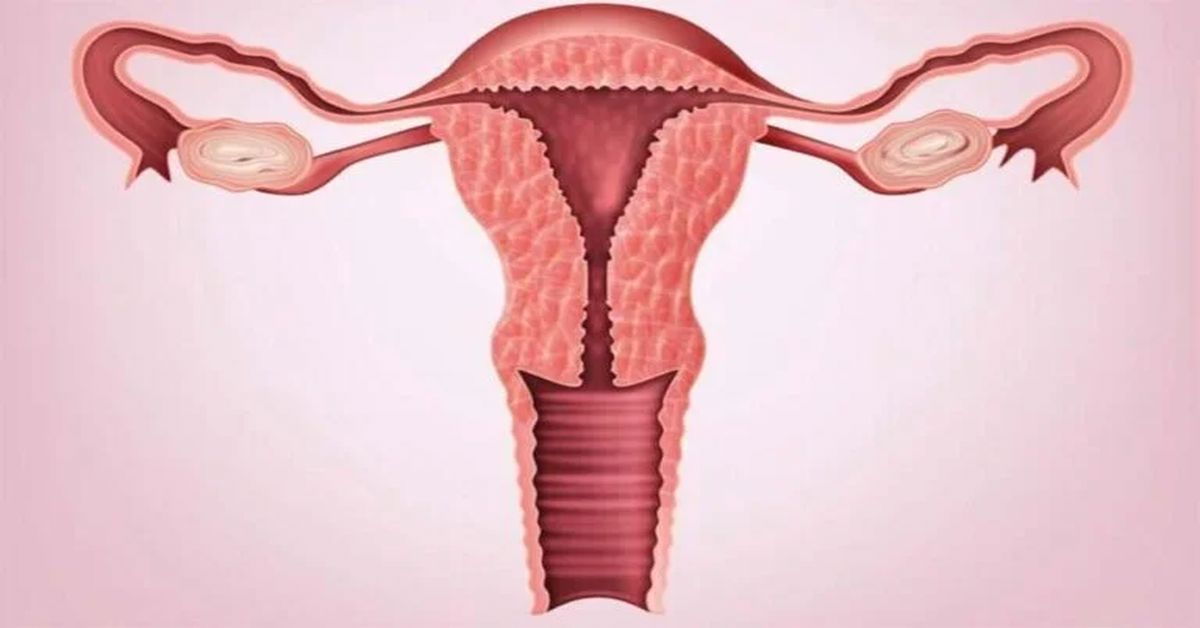
Early diagnosis is crucial for treatment. The stage and extent of the disease determine the treatment method to be applied. Doctors prepare a personalized plan for each patient. Treatment options generally include surgery, radiotherapy, and chemotherapy. Surgical methods vary depending on the size and location of the tumor. Local excision may be sufficient for small tumors.
In cases of larger or more widespread tumors, removal of part or all of the vagina may be necessary. The post-surgical recovery process should be carefully monitored. Pain control, reducing the risk of infection, and gradually increasing daily activities are important.
Vaginal cancer Treatment involves important radiotherapy and chemotherapy. Radiotherapy uses high-energy rays to destroy tumor cells. Chemotherapy involves drugs that prevent cancer cells from multiplying. These methods can be used in conjunction with surgery or as an alternative to surgery. It is important to follow your doctor's recommendations during treatment. Side effects should be monitored, and regular check-ups are necessary.
The recovery process after treatment also requires attention. Sexual activity and strenuous physical activity should be limited in the initial period. Paying attention to nutrition and psychological health facilitates the body's recovery. Regular check-ups reduce the risk of recurrence and allow for early intervention when needed. The patient should listen to their body and return to normal life step by step under the guidance of their doctor.
What is the recovery process like after vaginal cancer treatment?
The post-treatment process requires patience and attention. In the first few days, the body tries to recover after surgery, radiotherapy, or chemotherapy. Symptoms such as pain, fatigue, and mild bleeding are normal. Rest and avoiding strenuous activities are important during this period. Taking the medications prescribed by your doctor regularly supports recovery. Fluid intake and a balanced diet facilitate the body's recovery.
Pain and discomfort should be carefully monitored during the recovery process. Conditions such as severe pain, fever, foul odor, or abnormal discharge may require immediate attention. Sexual activity and strenuous exercise should be limited during the first few weeks.
Regular gynecological checkups help detect potential complications early. A regular sleep schedule and a stress-free environment increase the body's recovery rate. Psychological support is also important during this period; morale and mental health directly affect healing. This process..., vaginal cancer It supports a healthy recovery after treatment.
In the post-treatment period, daily activities can be gradually increased. Light walks and simple exercises improve circulation and reduce swelling. It is important to avoid heavy pressure on the abdominal and pelvic area. Paying attention to diet and consuming foods rich in fiber and vitamins supports healing. It is important to follow your doctor's recommendations. Side effects should be monitored regularly.
In general, a patient and controlled approach can lead to successful post-treatment recovery. Each individual's recovery time is different. Some recover within a few days, while others need to remain cautious for several weeks. Following doctor's appointments and listening to your body is the safest way to a healthy recovery.