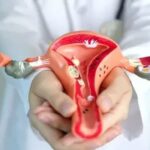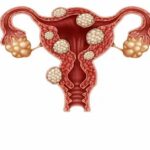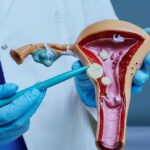

It is a condition caused by inflammation of the cervical tissue. Cervical lesions, It is usually caused by infection, childbirth, sexual intercourse, or chemicals. It can lead to vaginal discharge, foul odor, and pain during intercourse. In some cases, it is asymptomatic. It is diagnosed through a gynecological examination. Treatment may include medication, cryotherapy, or laser. Early diagnosis is important.
What are the symptoms of cervical lesions?

Some problems in women's reproductive health can progress for a long time without showing any symptoms. This increases the importance of regular check-ups. Changes in vaginal discharge, odor, or mild discomfort are often overlooked. However, these signals can indicate an underlying problem. Symptoms can vary from person to person and sometimes reach a level that affects daily life.
The most common complaints include pain during intercourse and slight bleeding afterward. Changes in the color, consistency, or odor of vaginal discharge may also occur. Cervical lesions Individuals experiencing this condition may also experience a feeling of fullness and burning in the groin area. In some cases, spotting outside of menstruation may occur. These symptoms alone do not constitute a definitive diagnosis, but they should definitely be evaluated.
Some women may not experience any noticeable symptoms. This can delay the detection of the problem. Routine gynecological examinations are therefore very important. Individuals with long-standing discharge and infections should be vigilant. Problems detected early can be controlled more easily and quickly.
As symptoms progress, quality of daily life may decrease and the risk of infection may increase. Cervical lesions When addressed promptly, these conditions can usually be managed with simple methods. Therefore, it's crucial not to ignore the signals your body gives you. Even if the symptoms are mild, expert evaluation allows for the early detection of potential problems.
What causes cervical lesions?
The cervix, being a structure exposed to external factors, can be easily affected by various elements. Certain situations encountered in daily life can increase the sensitivity of this area. Hormonal changes are among the factors that directly affect this process. Weakened immune systems and hygiene habits also play an important role.
Infections are one of the most common causes of this condition. Disruption of the vaginal flora balance creates a breeding ground for bacterial or fungal problems. Sexually transmitted infections can also cause irritation to the cervical tissue. In addition, frequent vaginal douching and the use of unsuitable cleaning products can damage the natural protective barrier.
Due to hormonal imbalances cervical lesion This condition can develop. Pregnancy and birth control pills, in particular, can cause changes in hormone levels. Hormonal fluctuations in the postpartum period can also trigger this. The fact that the delicate tissue on the outer surface of the cervix is more easily affected can accelerate this process. Therefore, it is important to closely monitor hormonal changes.
Births, abortions, and intrauterine procedures are also among the risk factors. Minor traumas during these procedures can cause problems in the healing process. Furthermore, tissue regeneration is more difficult during periods of weakened immune systems. Regular check-ups and proper care ensure that these types of problems are detected early.
What are the treatment methods for cervical lesions?

The treatment plan is determined based on the patient's complaints and examination findings. A detailed gynecological evaluation is performed first. If necessary, a smear test and additional examinations may be requested. The goal is to accurately identify the underlying cause and follow an appropriate course of action. The presence of infection is always assessed before starting treatment.
Treatment methods include medication and local treatments. Cervical lesions In diagnosed patients, the presence of infection is first assessed. If an infection is detected, appropriate drug treatment is planned. Tissue healing is supported with vaginal suppositories or oral medications. In some cases, topical applications are preferred. Regular follow-up is of great importance at this stage.
In cases where drug treatment is insufficient, different methods may be considered. Procedures that support tissue regeneration can be applied. These methods are usually completed quickly and do not require hospitalization. Temporary discharge or mild tenderness may be observed after the procedure. This condition usually resolves spontaneously within a short time.
Maintaining good hygiene is crucial during the post-treatment period. Sexual intercourse may need to be avoided for the duration recommended by your doctor. Follow-up examinations are conducted to assess the progress of healing. Regular monitoring helps prevent recurrence. With appropriate treatment and proper care, it is possible to return to daily life safely and quickly.