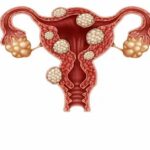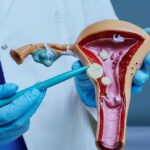

It is the process by which menstruation in women permanently ceases. Menopause period, It usually begins between the ages of 45 and 55. The ovaries reduce hormone production. Hot flashes, sweating, and mood swings may occur during this period. Bone density may decrease. Menopause is a natural life phase. It is important for women to not neglect their health checkups. This way, the effects of menopause can be better managed.
What should be considered during menopause?
 Menopause During menopause, changes in hormone levels affect the body's metabolism. Therefore, maintaining a balanced and healthy diet is crucial. Consuming plenty of vegetables, fruits, whole grains, healthy fats (such as olive oil and avocado), and protein sources helps with weight control and supports bone health. Particular attention should be paid to calcium and vitamin D intake, as menopause increases the risk of osteoporosis. Exercise alleviates many problems experienced during menopause.
Engaging in activities like walking, swimming, yoga, or light weight training at least 3-4 days a week helps maintain bone density, strengthens muscles, improves mood, and aids in weight management. Exercise is also important for heart health. One of the most common symptoms of menopause is hot flashes. To reduce these, cotton and lightweight clothing should be preferred, stress management techniques should be practiced, and smoking and caffeine consumption should be limited.
Keeping the environment cool and drinking plenty of water can also help. Women may experience stress more easily during menopause due to hormonal changes. Symptoms of depression or anxiety may appear. Regular sleep, social support, hobbies, and psychological support when needed are important for maintaining mental health. Seeking professional help can also be beneficial. The decrease in estrogen during menopause increases the risk of osteoporosis. Calcium and vitamin D intake, regular exercise, and supplement use under medical supervision when necessary help protect bone health. Also, avoiding smoking and excessive alcohol slows bone loss. Postmenopausal women have an increased risk of diseases such as heart disease, diabetes, and osteoporosis. Therefore, regular blood pressure, blood sugar, cholesterol checks, and bone density measurements are important. Breast cancer screenings and gynecological examinations should also not be neglected.
Smoking can worsen menopausal symptoms and increase the risk of osteoporosis. Alcohol can disrupt hormone balance and reduce sleep quality. Therefore, avoiding smoking and limiting alcohol consumption as much as possible will help you go through menopause more comfortably. Sleep problems are common during menopause. Establishing regular sleep hours, avoiding heavy meals before bed, reducing screen time, and keeping the bedroom cool and dark can improve sleep quality. If necessary, sleep aids can be used with a doctor's recommendation. Menopause The process varies from woman to woman. Therefore, making lifestyle adjustments according to individual needs is very important. Staying in contact with doctors and healthcare professionals is the healthiest approach.
What are the symptoms of menopause?
During the premenopausal period, menstrual cycles become irregular. Periods may become either less frequent or more frequent. The amount of bleeding may also change; sometimes it may be less, sometimes heavier. This irregularity is the most important sign that menopause is approaching. Hot flashes are one of the most common symptoms of menopause. A sudden increase in heat is felt, the face and neck become red, and sweating occurs. These attacks are usually short-lived but can affect quality of life. The reason is sudden fluctuations in hormone levels. Night sweats are hot flashes that occur during sleep. Women may wake up sweating in bed. This disrupts sleep quality and can lead to daytime fatigue. Menopause During this time, difficulty falling asleep, frequent awakenings, or insomnia may occur.
Hormonal changes and night sweats affect sleep patterns, which can lead to distraction and fatigue in daily life. The decrease in estrogen during menopause affects mood. Anxiety, depression, irritability, and mood swings are common in women. Psychological support and regular lifestyle habits can ease this period. As estrogen decreases, vaginal tissues thin and moisture levels decrease. This can lead to vaginal dryness, burning, itching, and pain during sexual intercourse. These symptoms can negatively impact sexual life. Urinary incontinence, frequent urination, or an increased susceptibility to urinary tract infections may also occur. Weakening of the pelvic muscles and hormonal changes contribute to this.
As hormone levels change, the metabolic rate slows down. This can lead to weight gain, particularly increased fat accumulation in the abdominal area. Healthy eating and exercise help keep this process under control. Decreased estrogen causes the skin to lose elasticity and become dry. Hair thins and hair loss may increase. Wrinkles become more prominent. With menopause, estrogen decreases and bone density drops. This increases the risk of osteoporosis. Calcium and vitamin D intake, along with exercise, are important for strengthening bones. If menopause period If the symptoms are seriously affecting your quality of life, it is recommended that you consult a gynecologist. Early intervention and appropriate treatment methods can alleviate the effects of this period.
Things to Consider After Menopause
 Changes in hormone levels during the postmenopausal period can slow down metabolism. Therefore, weight control becomes important. A diet rich in fiber, vegetables, and fruits is beneficial for heart health and the digestive system. Foods rich in calcium and vitamin D help protect bone health. It is also necessary to avoid processed foods and excessive salt and sugar consumption. Osteoporosis is one of the most significant risks after menopause. Regular walking, swimming, yoga, or resistance exercises can increase bone density and strengthen muscles. They also help reduce the risk of heart disease, diabetes, and weight gain. At least 150 minutes of moderate-intensity exercise per week is recommended.
The decrease in estrogen after menopause can weaken bone structure. Therefore, calcium and vitamin D intake is very important. Supplements can be used with a doctor's recommendation. Bone density measurement is also beneficial for early diagnosis and prevention. The risk of heart disease increases after menopause. Cholesterol and blood pressure should be checked regularly. Smoking and alcohol consumption should be reduced, and stress should be avoided. Healthy eating and exercise support heart health. The postmenopausal period is a critical time for women's health. Regular mammograms, smear tests, and gynecological examinations should not be neglected for the early diagnosis of diseases such as breast cancer and uterine cancer. Tests such as blood sugar and thyroid function should also be performed periodically. Hormonal changes can affect mood. Depression, anxiety, and sleep problems may occur. Seeking psychological support and learning stress management techniques is important if needed. Participating in social activities and pursuing hobbies also supports mental health.
Sleep quality can decrease with menopause. To ensure restful sleep, regular sleep hours should be established, and the bedroom should be kept quiet and dark. Caffeine, heavy meals, and the use of electronic devices should be reduced before bedtime. While the body's need for water is important at all ages, water consumption becomes even more crucial after menopause due to metabolic changes. Drinking enough water daily protects skin health and helps bodily functions work properly. Decreased estrogen can cause skin dryness and loss of elasticity. The skin should be protected with moisturizers and sunscreen. Regular cleansing and nourishing masks should also be used to support skin health. Smoking accelerates bone loss and increases the risk of heart disease. Alcohol can reduce sleep quality and negatively affect liver health. Therefore, it should be reduced or stopped as much as possible. Paying attention to these points will improve your quality of life and prevent potential health problems during the post-menopausal period. It is very important to always be under a doctor's supervision and receive personalized advice.