It is a condition in which the pelvic muscles do not work properly. Pelvic floor dysfunction can lead to incontinence, pain, constipation and sexual dysfunction. Muscles can be either weak or overstretched. It can develop due to factors such as childbirth, aging or stress. If left untreated, it can negatively affect quality of life. It can be treated with physical therapy and some exercises.
Symptoms and Causes of Pelvic Floor Dysfunction
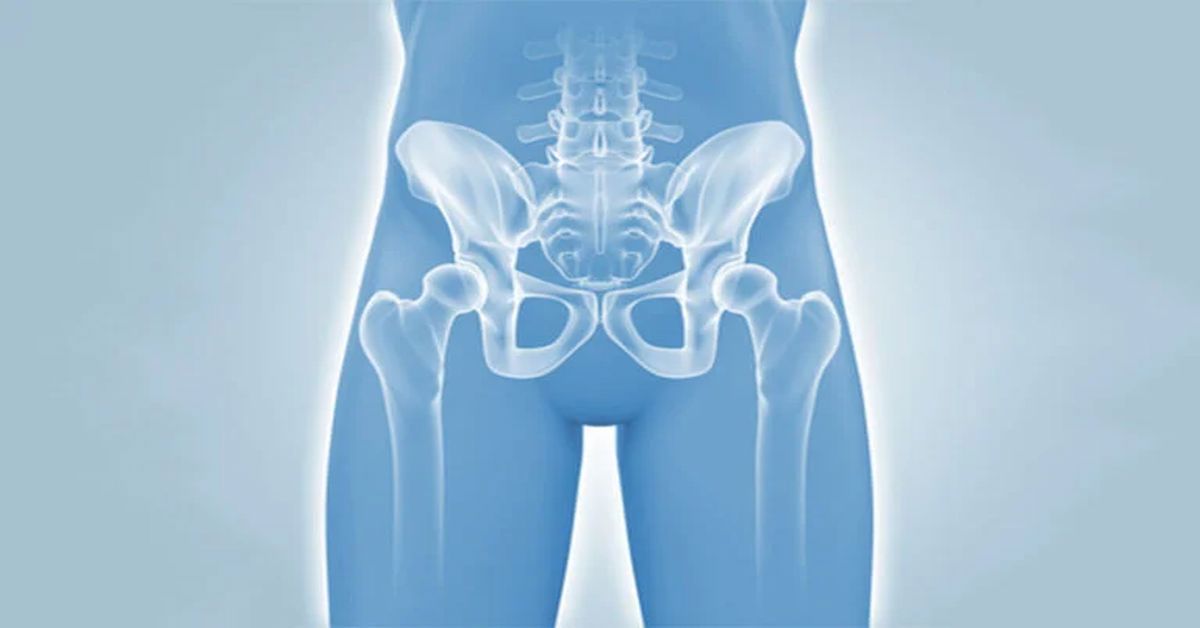
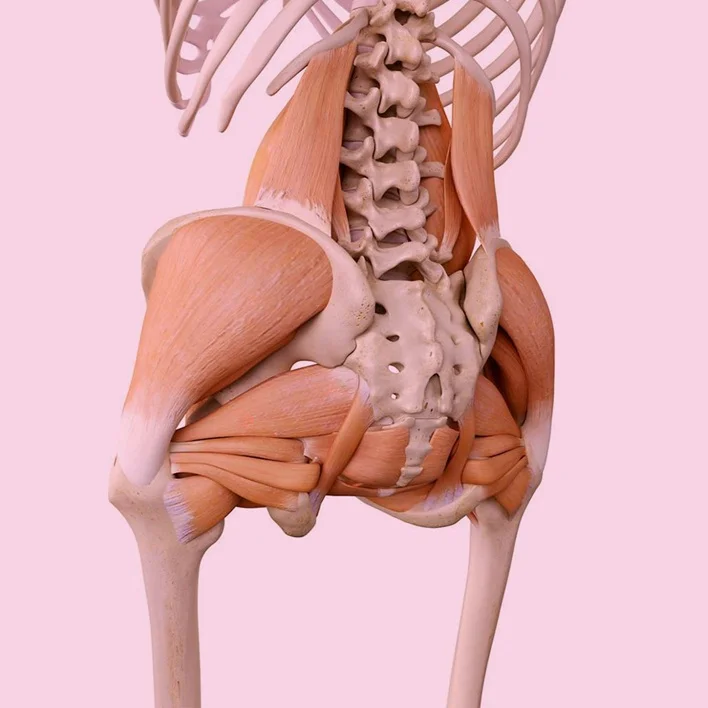
The pelvic floor consists of muscles and connective tissues that support the bladder, uterus, and intestines. When this structure weakens or loses its coordination, various complaints arise. The most common symptoms are urinary incontinence, sudden urge to defecate, and inability to reach the toilet in time. Some people develop constipation, difficulty defecating, or a feeling of incomplete emptying. Pain during sexual intercourse may also occur. A feeling of pressure in the lower abdomen and groin area may be experienced.
In women pelvic floor dysfunction It occurs more frequently in the postpartum period. Difficult and prolonged deliveries, in particular, can lead to muscle damage. Advanced age is also a significant risk factor. Decreased estrogen levels with menopause cause tissue weakening. In men, similar complaints may develop after prostate surgery. Excess weight and chronic constipation also worsen the condition.
Symptoms can vary from person to person. Some patients experience mild discomfort, while others feel a significant loss of function. Difficulty urinating or intermittent urine flow may occur. A feeling of fullness in the vaginal area may increase after standing for long periods. Gas incontinence is also a frequently reported problem. This can lead to feelings of embarrassment and cause individuals to delay seeking help.
Factors such as prolonged constipation and heavy lifting pelvic floor dysfunction It can trigger its development. Chronic cough also puts pressure on the muscles. The risk is higher in people with weak connective tissue. Trauma and previous pelvic surgeries are also among the causes. Symptoms can be controlled with early diagnosis and appropriate treatment. Therefore, complaints should not be taken lightly.
Who gets pelvic floor dysfunction?
It can occur in all age groups. However, some people are at higher risk. Women, in particular, are more frequently affected. The most important reason for this is pregnancy and childbirth. During normal delivery, the pelvic muscles stretch and may weaken. Muscle strength decreases with age. During menopause, hormonal changes reduce the elasticity of tissues. This makes it easier for symptoms to appear.
The risk increases in women who have had many births. Difficult, prolonged, or assisted deliveries can negatively affect muscle structure. Although the risk is lower in those who have had cesarean births, it is not completely eliminated. Excess weight is also a significant factor. Excess weight puts constant pressure on the pelvic region. Chronic constipation and constant straining also lead to muscle weakening over time. Similar problems can be seen in people who work in jobs that require heavy lifting.
In men pelvic floor dysfunction It can often occur after prostate surgery. Surgeries in the pelvic region can affect muscle and nerve structure. Chronic cough, asthma, or long-term respiratory illnesses also pose a risk. Continuously increased intra-abdominal pressure strains the muscles. Incorrect exercise techniques in athletes can also contribute to this condition.
Individuals with weak connective tissue are at higher risk. Genetic predisposition plays a significant role. Neurological diseases can also impair muscle coordination. Chronic illnesses such as diabetes can affect nerve transmission. A sedentary lifestyle for an extended period reduces muscle strength. Therefore, regular exercise and weight control provide a protective effect. Early evaluation of individuals experiencing symptoms is important.
What are the Treatment Methods for Pelvic Floor Dysfunction?
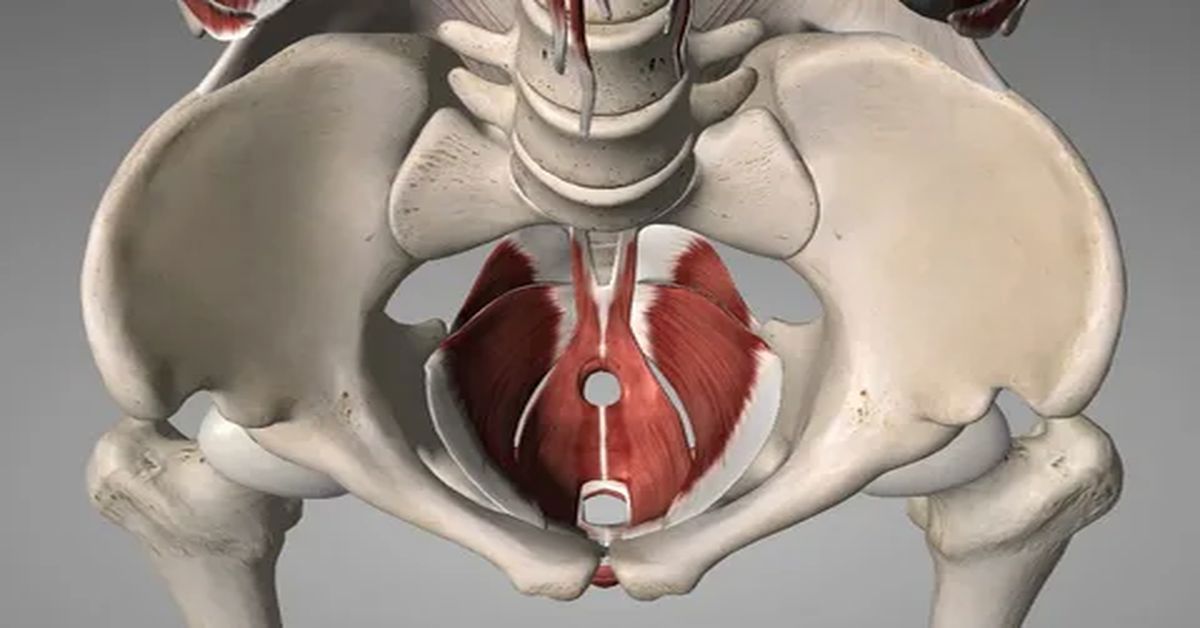
Treatment is planned according to the patient's complaints and the underlying cause. The first step is usually lifestyle changes. Weight control is achieved. If constipation is present, the diet is adjusted and fiber intake is increased. Daily water intake is increased. Avoiding heavy lifting is recommended. These simple measures provide significant relief for many patients. Treatment started early yields more successful results.
Physiotherapy is one of the most commonly used methods in the treatment of this condition. Pelvic floor exercises performed under the guidance of a specialist increase muscle strength. When Kegel exercises are performed regularly, urinary incontinence complaints may decrease. With biofeedback, the patient learns to use their muscles correctly. Electrical stimulation is applied as a supportive treatment in some cases. pelvic floor dysfunction It can provide recovery without the need for surgery.
Medication is preferred for some patients. It can be particularly helpful for urinary urgency and bladder control problems. Muscle relaxants may be used for those experiencing pain. For conditions related to hormone deficiency, topical estrogen therapy may be recommended. However, medications are generally more effective when combined with exercise. Medication alone may not always be sufficient.
Surgical treatment is considered in advanced cases. If organ prolapse is significant, surgery may be planned. The goal is to support weakened tissues and improve function. Exercise is also recommended after surgery. Regular follow-up is important during the treatment process. The patient's complaints are closely monitored. With proper planning, most patients can continue their daily lives more comfortably. Early intervention plays a critical role in long-term success.
What is the recovery process like after treatment for pelvic floor dysfunction?
The post-treatment recovery process varies depending on the method used. In patients receiving exercise-based treatment, improvement is generally gradual. Muscle awareness increases in the first few weeks. Patients who exercise regularly achieve better control over time. Urinary incontinence and urgency may decrease. However, it is important not to stop the exercises. Consistency is essential for lasting results.
During physiotherapy, patients are called in for check-ups at regular intervals. The specialist evaluates muscle strength and progress. The exercise program is updated if necessary. Individuals who receive biofeedback learn to use their muscles more consciously. This increases their control in daily life. Patience is required. Most patients feel significant relief within a few months.
Patients who have undergone surgery may experience mild pain and tenderness in the first few days. The rest period recommended by the doctor should be followed. Heavy lifting and strenuous physical activity should be avoided for a while. Healing of the stitches and tissue recovery takes time. Follow-up appointments should not be missed. Incorrect straining during the early stages can negatively affect the success of the treatment.
Lifestyle modifications remain important in the post-treatment period. Weight control should be maintained and constipation prevented. Regular exercise should become a habit. Even if symptoms decrease, muscle strengthening should be continued. For long-term success, the patient must actively participate in the process through follow-up and interventions. pelvic floor dysfunction It can be brought under control. Quality of life can significantly improve.