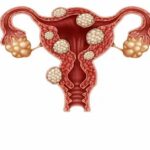
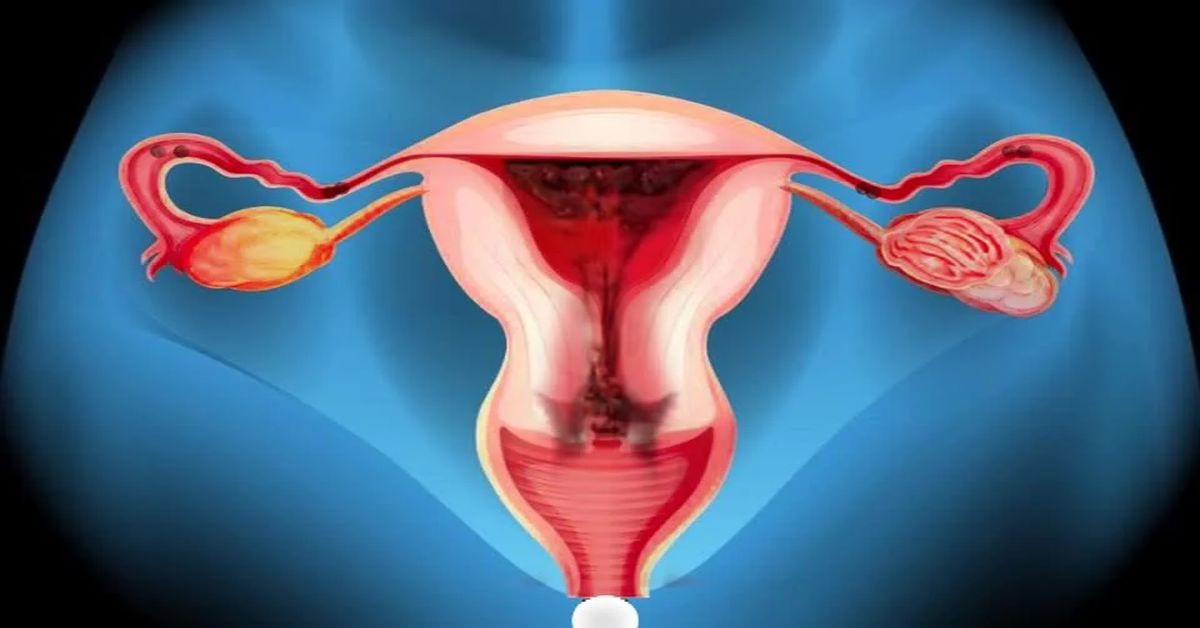
It is a mass or tumor that occurs as a result of the uncontrolled proliferation of abnormal cells in the uterus. Uterine tumor It can be benign or malignant (cancerous). It usually shows symptoms such as pelvic pain, abnormal bleeding and urinary problems. Early diagnosis increases the chance of treatment. It is diagnosed with various tests and the treatment plan is determined according to the type of tumor.
Symptoms and Causes of Uterine Tumors
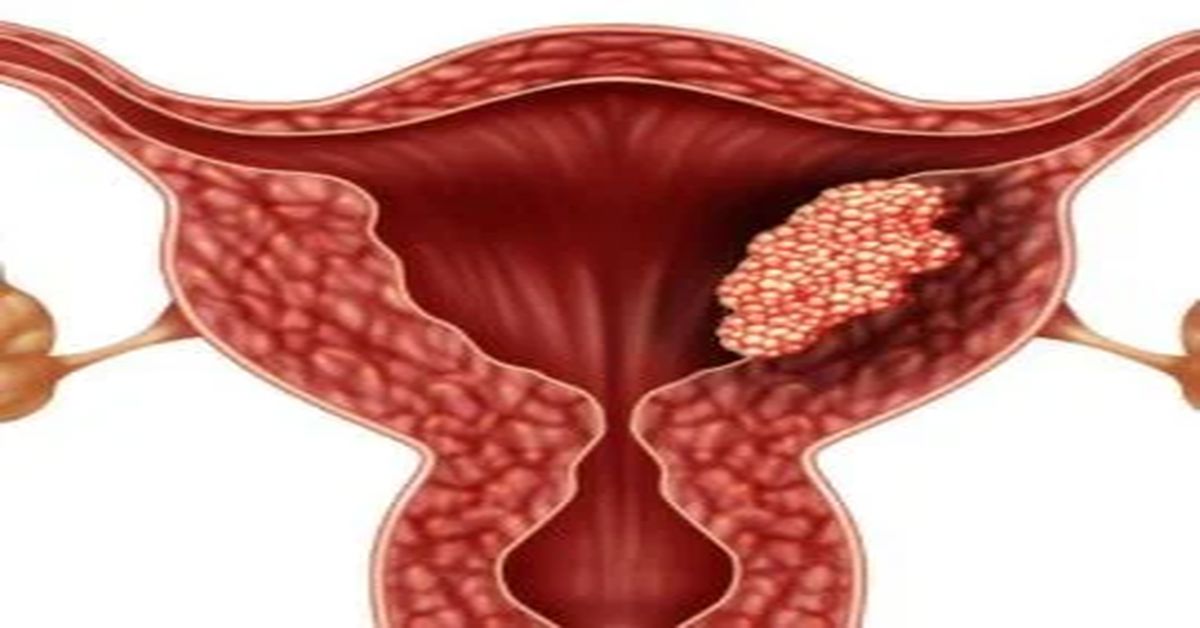
Some problems in the female reproductive system may not show symptoms in the early stages. This can lead to a delay in diagnosis. Changes in menstrual cycles, bleeding that lasts longer than normal, or heavier bleeding are among the first signs. Some people may experience a feeling of fullness and pressure in the pelvic area. Persistent pain and fatigue are also symptoms to watch out for. While these complaints do not always indicate a serious condition, they should be evaluated.
The most commonly noticed symptoms are menstrual irregularities. Uterine tumor In its presence, menstrual bleeding may be longer and heavier than normal. Bleeding outside of menstruation may also occur. Some women may complain of pain during intercourse. In advanced cases, difficulty urinating or a frequent urge to urinate may develop. These symptoms are related to pressure on the organs surrounding the uterus.
Hormonal factors play a significant role among the causes. In particular, imbalances in estrogen levels can affect uterine tissue. Genetic predisposition is also among the factors that increase the risk. Individuals with a family history should be more cautious. Conditions such as obesity, a sedentary lifestyle, and late menopause can also increase the risk.
In some cases uterine tumor It can be detected during routine checkups without showing any symptoms. Therefore, regular gynecological examinations are of great importance. Problems detected early are easier to manage. Even if the symptoms are mild, they should not be ignored. Timely evaluation helps in creating the correct treatment plan and preserves quality of life.
Who gets uterine tumors?
Uterine health is a matter requiring attention throughout a woman's life. Age, hormonal structure, and lifestyle directly affect this process. Some women may be at risk without realizing it. Therefore, knowing who is at higher risk is important for early diagnosis. Regular checkups allow for the detection of problems that often progress without showing any symptoms.
Uterine problems most commonly occur in middle-aged and older women. The risk increases especially after age 35. Fluctuations in hormone levels during the pre-menopausal period can affect uterine tissue. After menopause, symptoms may be milder. This can lead to a delay in diagnosis.
In women experiencing hormonal imbalance uterine tumor The likelihood of this occurring is higher. Prolonged dominance of the estrogen hormone, in particular, can lead to changes in the uterine tissue. A family history of similar diseases is also a significant risk factor. Regular follow-up is crucial for individuals who have previously experienced uterine problems.
Obesity and a sedentary lifestyle are also risk factors. Increased body fat percentage can negatively affect hormonal balance. It is known that the risk is higher in women who have never given birth or who enter menopause at a late age.
What are the Treatment Methods for Uterine Tumors?
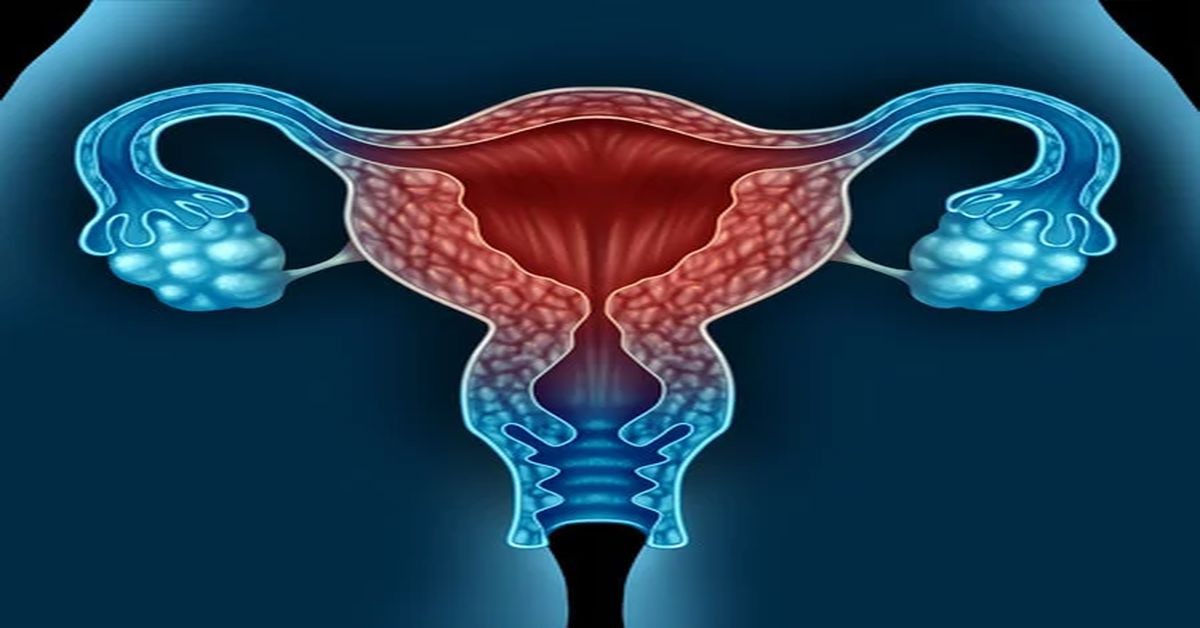
The treatment plan is determined based on the patient's age, general health status, and current complaints. First, a detailed gynecological examination is performed. Imaging methods and necessary tests are used to clarify the situation. The goal is to choose the most appropriate and safest method. The same approach is not followed for every patient. Treatment is planned individually, and each stage of the process is carefully evaluated.
Treatment options, uterine tumor It varies depending on the type and size. In some patients, medication may be preferred. This method aims to control hormone balance, alleviate symptoms, and slow growth. Regular follow-up is crucial in this process. Medication generally aims to achieve control without the need for surgery.
Surgical methods may be considered when drug treatment is insufficient. Surgical intervention is planned according to the size and spread of the tumor. In some cases, removing only the problematic tissue may be sufficient. In more advanced cases, different surgical approaches may be evaluated. This decision is made taking into account the patient's fertility expectations and quality of life.
The post-treatment process is just as important as the treatment itself. Regular check-ups show whether the process is progressing healthily. Lifestyle adjustments support the success of the treatment. Balanced nutrition, stress management, and consistent follow-up appointments are recommended. With early diagnosis and appropriate treatment, it is often possible to return to daily life with confidence.
What is the recovery process like after uterine tumor treatment?,
After treatment is complete, the recovery process requires careful monitoring. Initially, the body needs rest. Daily activities should be gradually increased. Pain and tenderness may be short-lived. The medications and care recommendations given by the doctor are important during this period. To ensure a healthy recovery, there should be no rush.
Regular check-ups are crucial in the post-treatment period. These check-ups assess the patient's overall condition. Imaging and blood tests may be performed if deemed necessary. These follow-ups help detect potential risks early. Not neglecting these check-ups is important for long-term health. Feeling well does not mean the process is complete.
Lifestyle adjustments support the healing process. Balanced nutrition and regular exercise are recommended. Stress management is also important during this period. Psychological support can make the process easier for some patients. Avoiding habits that strain the body positively affects overall health.
When recovery is complete uterine tumor Complaints caused by the condition are significantly reduced. Maintaining regular gynecological check-ups in the long term is important. This approach helps in the early detection of the risk of recurrence. Continuing healthy lifestyle habits maintains overall well-being. When the post-treatment process is managed correctly, the individual can return to their daily life confidently and more consciously.