
It is a type of pain felt in the lower abdomen or groin. It can occur chronically or acutely and can be caused by many different reasons. Although it is more common in women, it can also occur in men. Pelvic pain, In some cases, it is caused by simple reasons. Sometimes it can be a sign of serious health problems.
What are the symptoms of pelvic pain?
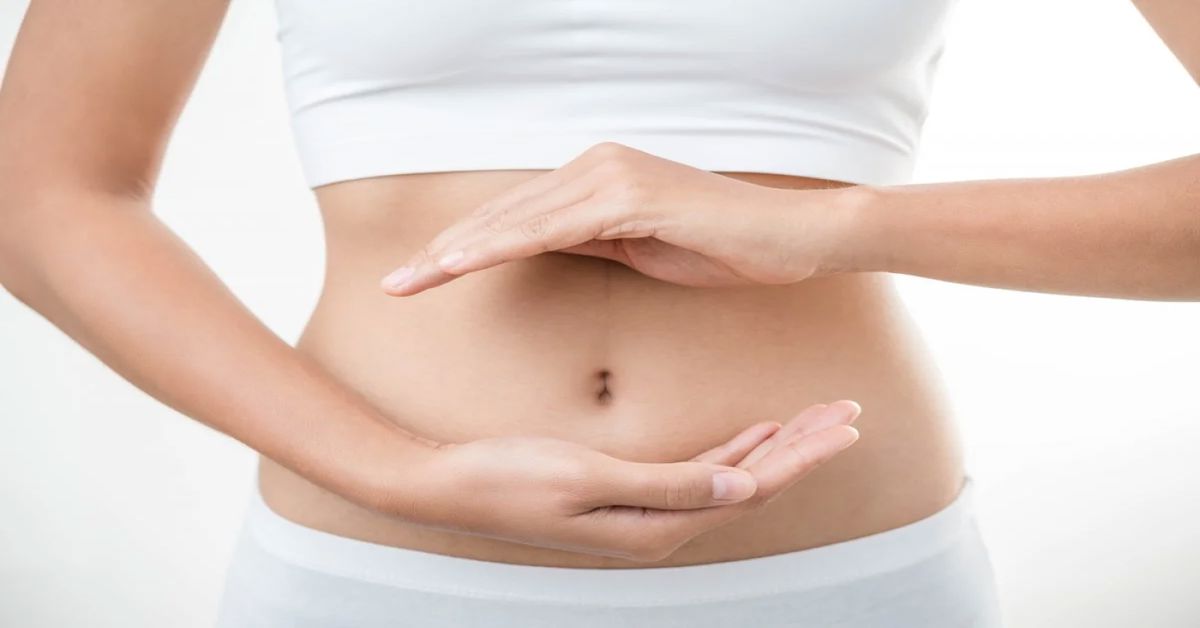
Pelvic pain It can manifest with different symptoms in many people. This pain is felt in the lower abdomen. In some people, it is a mild pressure sensation. In others, it can be sharp and bothersome. The pain may be short-lived or last for days. It may occasionally radiate to the lower back and groin area. It may increase during daily activities. It may become more pronounced when sitting, walking, or bending over.
One common symptom is a constant feeling of discomfort. The person may have difficulty pinpointing the exact location of the pain. A feeling of bloating may also be present. In some cases, burning or difficulty urinating may occur. Changes in bowel habits may be noticed. Digestive problems such as constipation or diarrhea may also be among the symptoms. These conditions can make the pain more pronounced.
Women may experience symptoms related to their menstrual cycle. The severity of pain may increase before or during menstruation. Discomfort may be felt during sexual intercourse. In men, tenderness may occur in the pelvic area. Standing or sitting for long periods can worsen symptoms. Some people experience fatigue. This can reduce their quality of life.
In advanced cases, the pain becomes constant. Daily tasks become difficult. Sleep patterns may be disrupted. Caution should be exercised if the pain is accompanied by fever or discharge. If symptoms persist for a long time, a specialist should be consulted. Early assessment facilitates the treatment process. Taking changes in the body seriously is important at this point.
What Causes Pelvic Pain?
Pain felt in the lower abdomen can make daily life difficult. This pain can sometimes be mild, and sometimes severe. It can last for a short or long time. The causes vary from person to person. Muscle strains or urinary tract problems can cause this condition. Some pain starts suddenly and goes away on its own. Others are recurrent and require attention.
Pelvic pain, In women, this condition is often associated with gynecological causes. Ovarian cysts, infections, or changes in the menstrual cycle can trigger it. In men, prostate problems or muscle-related issues may be more prominent. The pain is sometimes felt in a single spot, and sometimes it can spread to the lower back and groin area. This spread may indicate a deeper underlying cause. Such cases should be carefully evaluated.
The digestive system can also be a source of pain felt in this area. Constipation, gas buildup, or intestinal sensitivity are common causes. Sitting for long periods or poor posture can also lead to pain. Stress causes muscle tension, which contributes to increased pain. Daily habits are often overlooked but play a significant role.
Persistent pain should always be taken seriously. If the pain is accompanied by fever, discharge, or urinary problems, no time should be wasted. Early diagnosis facilitates treatment. It is important for the individual to monitor the pain. The time it started and what worsens it should be noted. This information helps the doctor. With a proper assessment, the source of the pain becomes clear, and pelvic pain Management can be planned more effectively.
What are the treatment methods for pelvic pain?
Treatment for lower abdominal pain begins with accurately determining the cause. Therefore, a detailed evaluation is crucial. The doctor will listen to the patient's complaints and, if necessary, order certain tests. Blood tests, urine tests, or imaging methods may be used in this process. Once the cause is diagnosed, the treatment plan becomes clearer.
For mild and temporary pain, lifestyle changes may be sufficient. Rest and avoiding strenuous physical activity are beneficial. Applying heat helps relax muscles. Regular exercise supports the body. Improving diet is also important. Reducing stress can be effective in pain control. These methods provide relief for most people.
In some cases, medical treatment may be necessary. Medications are used to reduce the severity of pain. If an infection is present, an appropriate treatment plan is applied. Medications for muscle spasms may be preferred. Different approaches are followed for problems related to hormonal imbalance. The treatment process is planned individually and requires regular follow-up. Ultimately, these approaches lead to the management and control of symptoms. pelvic pain can be reduced.
In advanced cases, different methods may be considered. Physical therapy strengthens the muscles. In some cases, surgical options are evaluated. This decision is made when other treatments have failed. Patience is important during the treatment process. Follow-up appointments should not be missed. With the right methods, pain can be controlled. Quality of life improves over time.
What is the recovery process like after pelvic pain treatment?
Pain felt in the lower abdomen may require treatment. The treatment method is determined according to the cause of the pain. In some cases, medication is sufficient. Mild muscle spasms, infections, or hormonal changes can often be controlled with medication. Rest and lifestyle changes support healing. Warm applications relax muscles and provide relief. Regular exercise and a balanced diet also speed up the process.
After treatment, the body begins to recover. During this process... pelvic pain It will decrease over time, and most people can return to their daily lives. Mild sensitivity or discomfort may persist for a few days in some individuals. Follow-up appointments as recommended by your doctor should not be missed. Some activities may be restricted in the post-treatment period.
If the pain recurs, the cause should be investigated. Patience and observing the body positively influence the healing process. Physiotherapy or supportive treatments may be added as needed. Treatment methods are planned individually. Medications are used to reduce pain and prevent infections. Different treatment options may be applied in cases related to hormonal imbalance. Surgical intervention may be necessary in some cases.
The post-surgical recovery process also requires regular follow-up. Daily activities are gradually increased. Sleep patterns, nutrition, and stress management become important during this period. Quality of life is maintained through check-ups and recommended precautions.