It can occur for many different reasons. Muscle weakness is among the most common causes. Causes of urinary incontinence It can increase with age. The muscles that control bladder control may lose strength over time. This is more common in women after childbirth. In men, prostate problems can be a contributing factor. Excess weight puts pressure on the bladder. Nervous system disorders can make control more difficult.
What are the causes of urinary incontinence?
This is a health problem that can occur in different age groups. It can negatively affect the quality of daily life. This condition is usually associated with weakening of the muscles that control bladder function. Lifestyle and certain diseases can also play a role. Therefore, accurately determining the causes is important.
at this point urinary incontinence It is often caused by problems related to the muscular and nervous systems. Weakening of the pelvic floor muscles makes bladder control difficult. This is especially common in women who have given birth. In men, prostate problems are a significant factor. Nerve damage can also impair bladder control.
The risk increases with age. Decreased muscle strength makes it more difficult to control the bladder. In addition, excess weight puts pressure on the bladder. Chronic coughing can also increase intra-abdominal pressure, leading to incontinence. Furthermore, some medications can trigger this condition as a side effect. Therefore, the medications being used should also be reviewed.
Daily habits too urinary incontinence These factors can have an impact. Excessive caffeine consumption stimulates the bladder. Insufficient fluid intake negatively affects bladder health. Delaying urination for extended periods can impair bladder function. A sedentary lifestyle also leads to muscle weakness.
Certain neurological diseases make this condition more pronounced. Diseases such as Parkinson's and diabetes can affect nerve transmission, making bladder control more difficult. Urinary tract infections can also cause temporary incontinence.
In conclusion, it can develop due to many different reasons. These reasons can be identified with early diagnosis. It can be controlled with appropriate treatment and lifestyle changes. Therefore, symptoms should be taken seriously and expert advice should be sought.
Who is susceptible to urinary incontinence?
Urinary incontinence can occur in all age groups. However, some people are at higher risk. This problem, which affects daily life, can also make social life difficult. Therefore, it is important to know who is more likely to experience it. Cases detected early are easier to manage.
This condition is more common in women. Pregnancy and childbirth, in particular, can weaken the pelvic muscles. Postmenopausal hormonal changes also play a role. In men, prostate problems are a significant risk factor. This can make bladder control more difficult.
With advancing age urinary incontinence The risk increases. Decreased muscle strength affects bladder control. Mobility may also be limited in elderly individuals. This makes it difficult to reach the toilet on time. Chronic diseases can also affect the process.
The risk is higher in overweight individuals. Excess weight increases intra-abdominal pressure, which puts pressure on the bladder. A sedentary lifestyle also leads to muscle weakness. Therefore, an active lifestyle is important.
Certain illnesses can also trigger this condition. Diabetes and nervous system disorders can impair bladder control. Urinary tract infections can also lead to temporary incontinence. Some medications can also cause this problem as a side effect.
In conclusion, urinary incontinence is more common in certain groups. Knowing the risk factors makes prevention easier. Early diagnosis and appropriate treatment can improve quality of life. Therefore, symptoms should not be ignored.
What are the treatment methods for urinary incontinence?
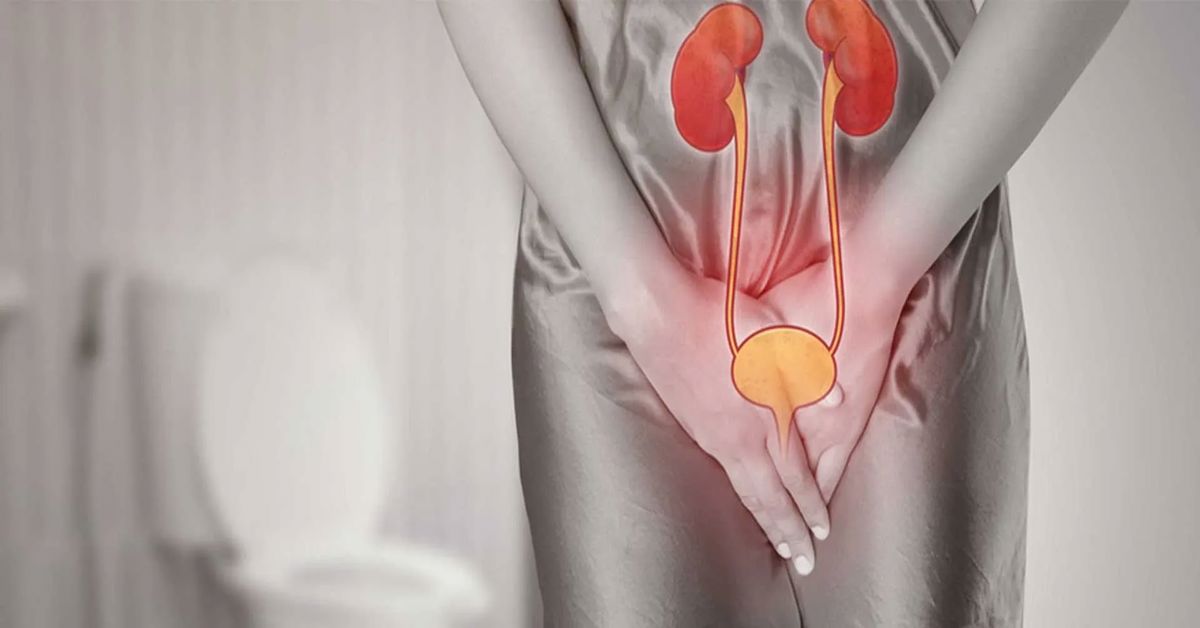
Urinary incontinence treatment is planned individually for each patient. First, the type and cause of the problem are determined. In mild cases, lifestyle changes may be sufficient. Fluid intake is regulated and bladder habits are reviewed. These steps form the basis of treatment.
In this process urinary incontinence One of the most commonly used methods in treatment is exercise. Exercises that strengthen the pelvic floor muscles provide significant benefits. When Kegel exercises are performed regularly, bladder control increases. This method is particularly effective in the early stages. It also supports control in daily life.
Medication is preferred for some patients. Drugs that regulate bladder muscles can be used. These medications reduce the sudden urge to urinate. However, they may not be suitable for every patient. Therefore, they should be used under a doctor's supervision.
Physical therapy and biofeedback methods can also be effective. These methods teach muscles how to function correctly. Applications such as electrical stimulation can provide support. The treatment process requires regular follow-up.
In advanced cases, surgical methods may be considered. These are particularly applied in situations where other treatments have been ineffective. Surgery supports the bladder and improves control. These methods can provide a permanent solution.
In conclusion, treatment options vary depending on the patient's needs. With early diagnosis, simpler methods may suffice. Regular follow-up and appropriate treatment can improve quality of life. Therefore, symptoms should not be ignored.
What is the recovery process like after treatment for urinary incontinence?
The post-treatment process varies depending on the patient's condition. Recovery time can differ depending on the method used. In simpler cases, recovery is faster. In patients who have undergone surgery, the process is more cautious. Regular check-ups are crucial during this period.
Mild discomfort is considered normal in the first few days. Medications prescribed by your doctor should be taken regularly. Daily activities should be gradually increased. Sudden movements should be avoided. It is important not to strain the body during this period.
Pelvic floor exercises play an important role in the recovery process. They help strengthen the muscles again. Regular exercise supports bladder control. This habit should continue even after treatment. This leads to better results in the long term.
Diet and fluid intake should be regulated. Excessive caffeine consumption should be avoided. Drinking enough water supports bladder health. It's also important to prevent problems like constipation. These details will positively impact the process.
Regular doctor check-ups should not be neglected. These check-ups allow for the evaluation of treatment success and the early detection of potential problems, enabling timely preventative measures.
In the long term, lifestyle habits become important, and this process involves regular monitoring. urinary incontinence It can be kept under control. An active lifestyle and exercise support this process. If symptoms reappear, expert advice should be sought immediately.