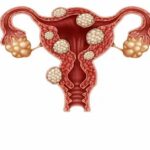

It is characterized by the deviation of the menstrual cycle from normal. Menstrual irregularity in womenIt manifests itself with symptoms such as menstruation not coming on time or being too frequent. Factors such as hormonal changes, stress, weight change, and thyroid problems may cause it. This condition, which is important for women's health, can sometimes be a sign of a serious underlying health problem. It may require treatment.
What causes menstrual irregularities in women?

The menstrual cycle can vary from woman to woman. Delayed or early bleeding may occur at certain times. Stress, irregular eating habits, and intense exercise can affect the menstrual cycle. Rapid weight changes can also disrupt hormone balance. Changes in sleep patterns can affect the menstrual cycle in some individuals. Hormonal changes... menstrual irregularity in women It is among the most common causes of its occurrence.
Polycystic ovary syndrome (PCOS) can affect the menstrual cycle in some people. Thyroid disorders can also cause changes in hormone balance. Certain medications can cause variations in the menstrual cycle. Menstrual delays can occur in people under intense stress.
Some women may not have a period for a long time. In some cases, bleeding may occur at frequent intervals. Symptoms such as intense pain or excessive bleeding should be carefully evaluated. Complaints that affect daily life may require expert consultation.
Early assessment allows for closer monitoring of potential health problems. Regular exercise can help maintain body balance. In some cases... menstrual irregularity in women These symptoms can be indicative of various health problems. Regular check-ups make it easier to determine the causes. A follow-up process planned under expert supervision can help maintain a person's quality of life. This content is for informational purposes only. Consult your doctor for diagnosis and treatment.
What are the symptoms of menstrual irregularities in women?
Menstrual irregularity in women Menstruation can manifest with various symptoms. Delayed or earlier-than-expected menstrual periods are common. Some individuals may experience significant changes in the amount of bleeding. Prolonged bleeding or bleeding that recurs at short intervals should be carefully evaluated. Intense pelvic pain and fatigue may also occur. Symptoms that affect daily life may require expert consultation.
In some women, menstruation may stop completely. In other cases, spotting-type bleeding may occur. Severe pain can affect daily life. Changes in hormone balance can cause different symptoms. Menstrual cycles may change in people under intense stress. Rapid weight changes can also affect the process.
Some people experience headaches during their menstrual period. Bloating and mood swings may also occur. Excessive fatigue can make daily activities difficult for some. Weakness may also develop during heavy bleeding. If these symptoms persist for an extended period, expert evaluation is important. Regular exercise can help maintain the body's balance.
It is important to pay attention to changes in your menstrual cycle. Regular check-ups allow for earlier detection of potential health problems. A follow-up process planned under the supervision of a specialist can help maintain quality of life. This content is for informational purposes only. Consult your doctor for diagnosis and treatment.
What are the treatment methods for menstrual irregularities in women?

Menstrual irregularities can occur due to various reasons. Therefore, the treatment process is planned individually. In the first stage, hormone balance and general health status are evaluated. For some people, adjusting lifestyle habits may be sufficient. Regular sleep and a balanced diet can contribute to maintaining hormonal balance. Reducing intense stress is also important.
In some cases, medication may be used. The method to be used is determined according to the individual's health condition. Treatment plans that support hormone balance may be preferred. Different approaches may be necessary in conditions such as polycystic ovary syndrome or thyroid diseases. In some people, supportive treatments may be planned due to iron deficiency. Regular doctor check-ups help monitor the treatment process.
In some cases menstrual irregularity in women It can persist for a long time. In this case, a more detailed evaluation may be necessary. Different treatment methods may be applied to individuals experiencing severe pain or heavy bleeding. Symptoms affecting daily life should be monitored under specialist supervision. Regular ultrasound examinations may be necessary in some cases.
Following your doctor's recommendations is crucial during the treatment process. Regular check-ups allow for more careful monitoring. A balanced diet and regular sleep can help maintain hormonal balance. This content is for informational purposes only. Consult your doctor for diagnosis and treatment.
What is the recovery process like after treatment for menstrual irregularities in women?
Following treatment, monitoring your menstrual cycle is important. In some people, the menstrual cycle may return to normal quickly. In others, it may take longer for the cycle to normalize. It is crucial not to miss regular doctor check-ups during this period. Hormone levels can be regularly assessed. Regular sleep and a balanced diet can contribute to the recovery process.
Reducing stress is important in the post-treatment period. High levels of stress can affect hormone balance. Regular exercise can help maintain body balance. Avoiding extreme weight fluctuations is recommended. Some individuals may need to continue medication. The follow-up plan may vary depending on the treatment method used.
In some individuals, the menstrual cycle may need to be re-evaluated at specific intervals. Regular ultrasound examinations may be necessary in some cases. Monitoring hormone levels can help in planning the treatment process. Maintaining a regular daily routine is important.
Avoiding smoking and alcohol consumption may be recommended after treatment. menstrual irregularity in women Regular follow-up is crucial to prevent the recurrence of the condition. A process managed by a specialist can help maintain quality of life. This content is for informational purposes only. Consult your doctor for diagnosis and treatment.